
Gas prices have a special talent for showing up the exact week you finally feel like you're getting ahead. I remember staring at the pump in my mid-twenties, doing that painful mental math like, “Okay… if I fill the tank, can I still buy groceries?”
The good news is you don't have to overhaul your whole life to lower your commuting costs. A handful of small changes can shave dollars off every week, and those dollars add up fast over a month.
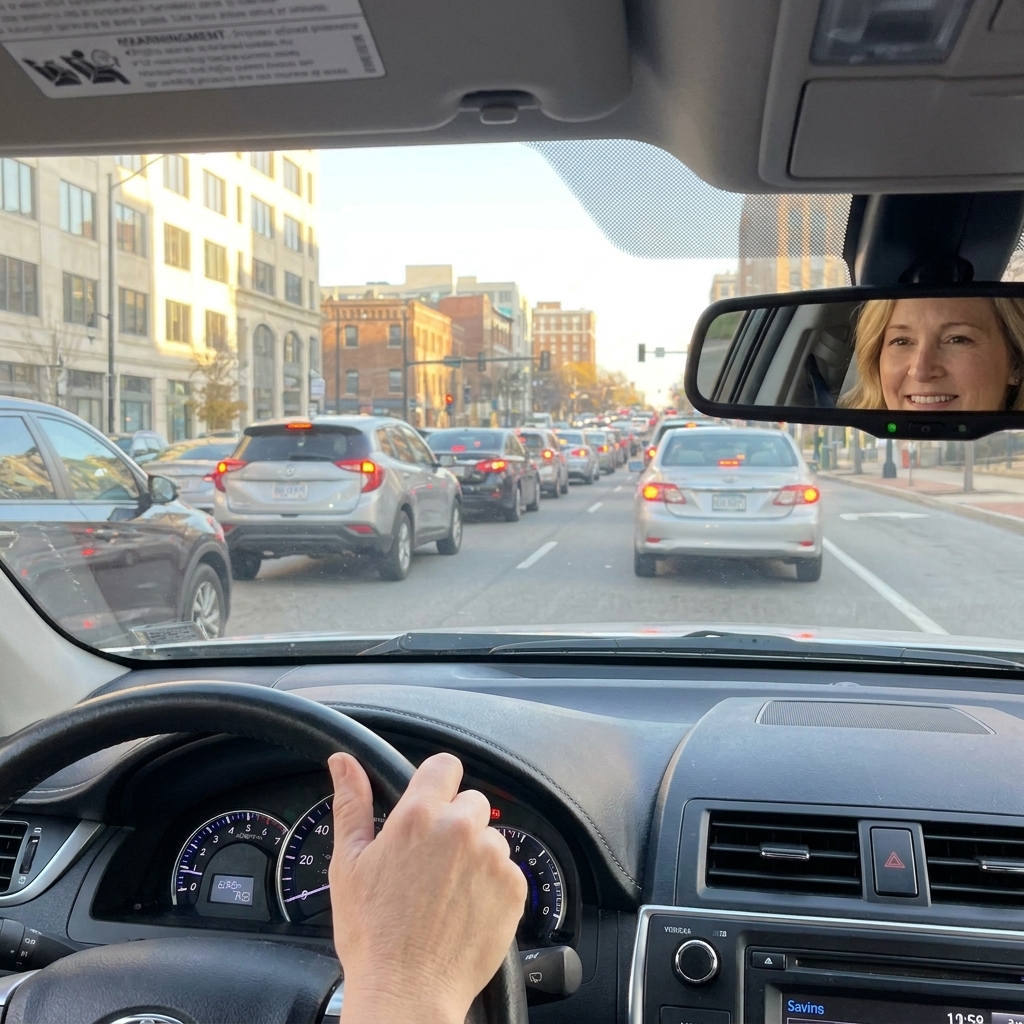
1) Track your baseline for two weeks
Before you change a thing, figure out what you're actually spending. This step isn't glamorous, but it's the one that makes every other tip more motivating.
- Write down: miles driven, gallons purchased, and total spent each fill-up.
- Also note: how many days you commute, and whether you idle in drop-off lines or drive across town for errands.
- Quick win: take a photo of each gas receipt or log it in your notes app.
When you can see “I spend about $X per week getting to work,” the savings become real, not theoretical.
2) Combine trips and cut bonus driving
Most of us don't just commute. We commute plus a coffee run plus a quick errand plus another quick errand. Those little add-ons can add a surprising number of miles over the week.
- Batch errands into one loop instead of several separate trips.
- Keep a running list so you don't “forget one thing” and go back out.
- If you pass your grocery store on the way home, that's your new grocery day.
I call this “bonus driving,” and once you start noticing it, it gets easier to cut.
3) Optimize your route
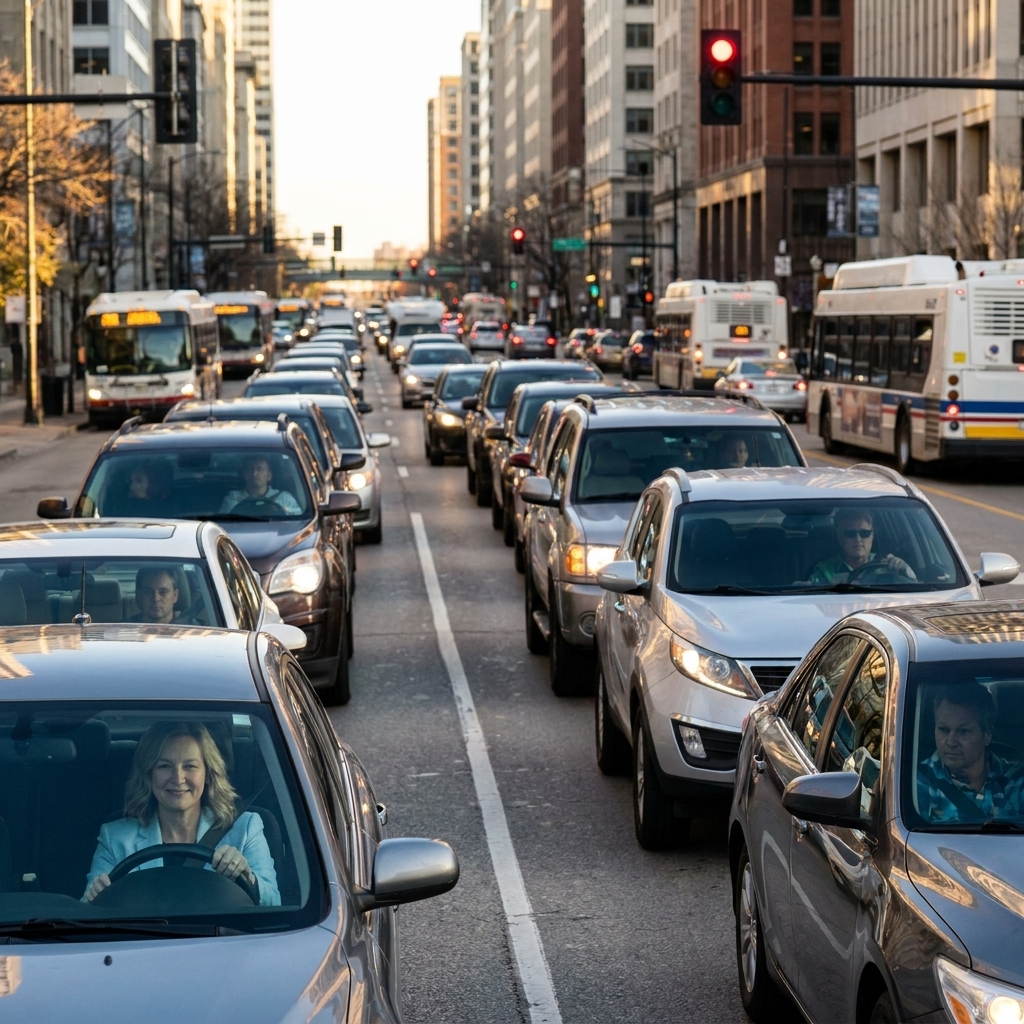
The shortest route isn't always the cheapest route. Stop-and-go traffic and lots of lights can burn more fuel than a slightly longer, steadier drive.
- Try a route with fewer left turns and fewer traffic signals.
- Avoid school zones and heavy merging areas during peak minutes if you can.
- Use your map app’s “leave at” feature to spot predictable congestion times.
Try a simple four-day test: drive your normal route for two days, then try an alternate route for two days, and compare fuel use and stress level. If one clearly wins, repeat it the next week to confirm. The best route is the one you'll actually stick with.
4) Gentle hypermiling
Hypermiling gets a bad rap because some people take it to unsafe extremes. That's not what we're doing here. We're talking about calm, normal, safe habits that improve fuel economy.
- Accelerate gradually. Pretend there's a cup of coffee on your dashboard and you don't want to spill it.
- Coast early. If you see a red light ahead, ease off the gas sooner instead of racing up to it.
- Use cruise control selectively. It can help on flat highways, but may be less efficient on hilly roads.
- Keep speeds reasonable. MPG often drops as speed climbs, especially once you're consistently driving faster than the flow of traffic.
- Skip the dangerous stuff. No drafting, no rolling stops, no coasting in neutral. Savings aren't worth the risk.
These habits also reduce wear on brakes and tires, which is a sneaky bonus.
5) Check tire pressure monthly
This is one of the easiest “set it and forget it” savings moves. Underinflated tires increase rolling resistance, which means your engine has to work harder.
- Check pressure when tires are cold, ideally in the morning.
- Use the recommended PSI on the driver’s door jamb, not the max PSI printed on the tire.
- If you don't own a gauge, many gas stations and auto parts stores offer air, sometimes for free and sometimes for a small fee.
Put it on your calendar for the first Saturday of the month. Ten minutes now can save you money all month.
6) Lighten the load
If your trunk has become a mobile storage unit, your car is burning extra fuel to haul it around.
- Clean out the trunk and back seat. Keep only what you truly need.
- If you have a roof rack or cargo box you aren't using, remove it when possible.
- At higher speeds, open windows can add drag in many cars. Using A/C also uses fuel, so choose whatever keeps you comfortable without cranking it to max all the time.
This is a “small percentages” game, but commuting is repetitive, so small percentages matter.
7) Stay on top of maintenance
When money's tight, maintenance is easy to put off. But a car that's struggling (even a little) can quietly burn more fuel than it should.
- Change oil on schedule and use the grade your manual recommends.
- Replace a dirty engine air filter when it's due.
- Don't ignore a check-engine light. Even a minor issue can hurt efficiency over time.
You don't need perfection here. Just keep your car in its “healthy baseline” zone.
8) Buy gas strategically
You don't need to chase the absolute cheapest station across town. The idea is a simple routine that keeps your average price lower.
- Use a gas price app to find a cheaper station near your usual route.
- Fill up before you're desperate. When you're on fumes, you pay whatever is closest.
- Consider warehouse clubs if you already shop there and the line isn't wild.
- Know your car’s needs. If your vehicle doesn't require premium, don't pay for it.
My personal rule: I'll drive an extra minute or two for a better price, but I refuse to turn “saving money” into an extra 20-minute round trip.
9) Use rewards wisely
Rewards can help, especially if you're commuting daily, but only if you don't overspend to “earn points.”
- Link loyalty programs (grocery store points, pharmacy rewards, or gas station apps) and stack what you already use.
- If you use a cash-back credit card, only do this if you pay it off in full every month. Interest wipes out rewards fast.
- Check your receipts for “bonus cents off per gallon” promotions and use them when convenient.
Think of rewards as a coupon, not a strategy that requires you to buy more stuff.
10) Carpool or go hybrid
If carpooling sounds like a logistical headache, start tiny. One day a week can still make a meaningful dent in your monthly fuel cost.
- Ask one coworker who lives near you if they want to test a “Tuesdays only” arrangement.
- Rotate driving, or one person drives and the other contributes a set amount each week.
- Agree on pickup timing and what happens if someone needs to stay late.
If public transit exists in your area, you don't have to be all-or-nothing. A park-and-ride setup (drive to a transit hub, then ride in) can cut your highest-stress miles and reduce city-center parking costs. Also check whether your employer offers pre-tax commuter benefits or subsidized passes.
And if transit isn't safe, practical, or available where you live, skip it with zero guilt. Frugality is about options, not pressure.
A one-week savings challenge
If you want a simple plan, here's a low-stress way to test improvements in one workweek:
- Monday: Check tire pressure and clear out trunk clutter.
- Tuesday: Try an alternate route that avoids heavy stop-and-go.
- Wednesday: Practice gentle hypermiling: slow starts, early coasting.
- Thursday: Combine errands into one loop on the way home.
- Friday: Fill up at your best-priced station along your normal route, using any rewards you already have.
At the end of the week, compare your total miles and total fuel spend to a typical week. Even a modest improvement is a win worth keeping.
FAQ
Does idling really waste that much gas?
Yes, especially when it becomes a daily habit. Long warm-ups, sitting in pickup lines, or waiting with the engine on all add up over time. For most modern cars, you don't need a long warm-up to drive normally, except in extreme cold. If you're parked and you know you'll be waiting more than a short moment, shutting the engine off is often the better move when it's safe and legal to do so. If your car has auto start-stop, it's already trying to help with this.
Is premium gas ever worth it?
Follow your owner’s manual. Some cars require premium fuel, and you should use it. Other cars only recommend it for best performance or mileage, but can run on regular. If your manual says regular is fine, premium usually isn't worth the higher price for everyday commuting.
What if I can't carpool or use public transit?
Then focus on what you can control: route efficiency, driving habits, tire pressure, trip batching, and keeping up with basic maintenance. You don't need every tip to see savings.
If commuting costs are squeezing your budget right now, I want you to hear this clearly: you're not failing. Transportation is expensive, and it hits hardest when money's already tight. Pick two tips from this list, try them for two weeks, and let the results motivate the next step. Small changes, repeated, are how financial peace gets built.