
If you have ever had a “random” expense show up and wreck your month, I have good news: most of those expenses were not random. They were predictable, just not scheduled in your budget.
That is exactly what sinking funds fix.
I used to live in that awful cycle of: payday, feel hopeful, spend a little too freely, then panic when a bill popped up. Sinking funds were one of the biggest reasons I finally got traction paying off $45,000 of debt on a very average paycheck over time. They gave my budget shock absorbers.
What a sinking fund is (and why it works)
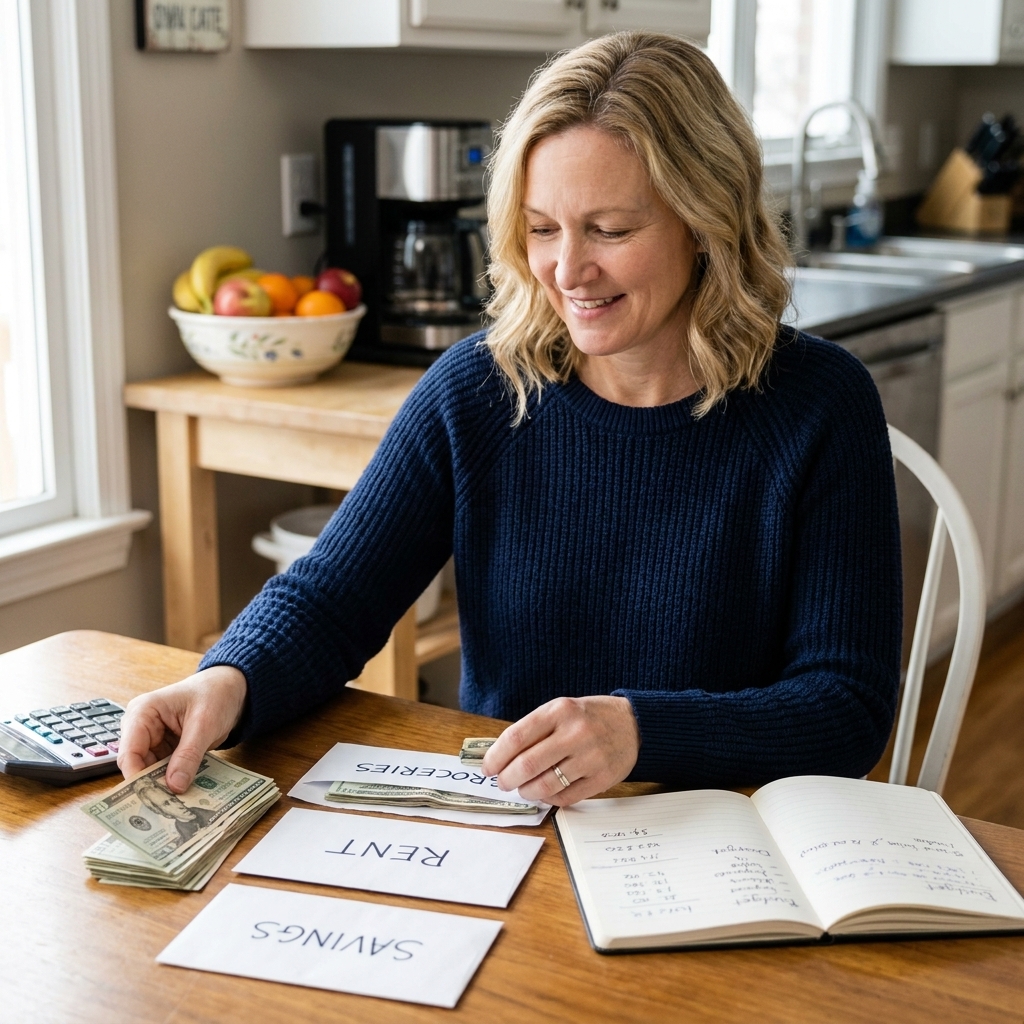
A sinking fund is money you set aside a little at a time for a specific upcoming expense. Instead of being surprised by a $600 car repair or a $1,200 insurance premium, you pre-save for it monthly.
Think of it like this: an emergency fund is for true surprises. A sinking fund is for the stuff you know is coming eventually, even if you do not know the exact day.
Sinking fund vs. emergency fund
- Emergency fund: job loss, urgent medical issue, major unplanned home disaster
- Sinking funds: car tires, annual registration, holiday gifts, back-to-school shopping, vet visits
If you already have an emergency fund, sinking funds protect it so you are not constantly draining it for “life stuff.”
How to set up sinking funds without making your budget complicated
Step 1: List your “not monthly” expenses
Grab a piece of paper and write down anything you pay yearly, quarterly, seasonally, or “whenever it breaks.” These are your sinking fund candidates.
Step 2: Decide where the money will live
- Simple option: one high-yield savings account, tracked by category in a spreadsheet or notes app
- Cleaner option: a bank with “buckets” or multiple savings accounts (one per category or per group)
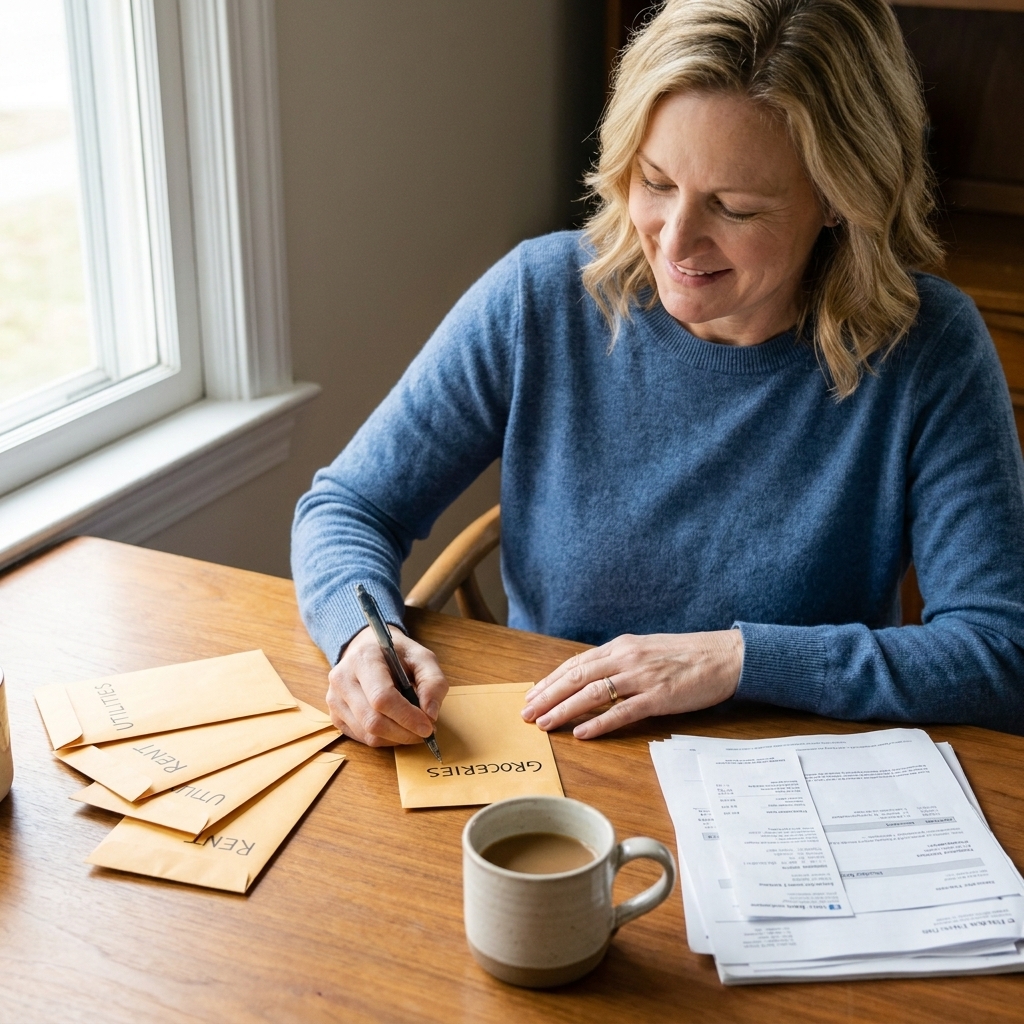
- Cash option: for categories like gifts or spending-heavy seasons, cash envelopes can be surprisingly effective
Step 3: Do the math once, then automate
For each fund:
- Target amount ÷ months until you need it = monthly contribution
Example: $600 car insurance due in 6 months. $600 ÷ 6 = $100 per month.
Step 4: Start small if money is tight
You do not have to fund everything perfectly on day one. Even $10 to $25 per fund creates momentum and reduces stress.
Claire rule: If an expense happens every year, it is not an emergency. It is a sinking fund.
How to categorize sinking funds (so you can actually keep up)
If you create 27 tiny funds, you will hate your budget. If you create only one giant “miscellaneous” fund, you will constantly borrow from it and feel behind.
The sweet spot for most people is:
- Core life funds: home, car, health, pets
- True annual bills: subscriptions, memberships, renewals
- Seasonal spending: holidays, back-to-school, travel
- Personal goals: clothing, self-care, hobbies
You can either keep them separate or group them as “buckets” with line items inside. Do what you will maintain.
The 15 essential sinking funds to prevent financial emergencies
These are the categories that most often blow up a budget when they are not planned for. You might not need all 15, but you will probably recognize your personal stress points in this list.
1) Car repairs and maintenance
Oil changes, brakes, tires, batteries, the “why is it making that noise” moment. Cars are predictable chaos.
- Starter target: $500 to $1,500 (often lower for a newer car, higher for an older one)
- Monthly idea: $50 to $150
2) Car insurance (semiannual or annual premiums)
If you pay in one or two big chunks, you may save money compared to monthly payments, depending on your insurer. A sinking fund makes that option doable.
- How to fund: premium ÷ months until due
3) Vehicle registration, inspections, taxes
This one loves to sneak up because it is “only once a year.” Still counts.
- Tip: check last year’s receipt and add 10% for increases
4) Home repairs (or renter move-out costs)
Homeowners: a leaky faucet can turn into an expensive weekend fast. Renters: move-out cleaning, small repairs, and deposits can sting.
- Homeowner rule of thumb: aim for 1% to 3% of your home’s value per year (older homes and high-cost areas often land toward the higher end)
- Renter starter target: $200 to $500
5) Appliance replacement
Even if your fridge is currently living its best life, it will not last forever. A small monthly fund beats panic-financing an appliance.
- Starter target: $300 to $1,000 (think: minor repair cushion vs. “something big dies” cushion)
6) Medical out-of-pocket
Copays, prescriptions, labs, urgent care, new glasses. This fund reduces the “do I even go to the doctor?” stress spiral.
- Tip: if you have an HSA or FSA, coordinate your sinking fund with it so you are not double-saving. HSAs can only be used for qualified medical expenses, and FSAs can have use-it-or-lose-it rules depending on your plan.
7) Dental and vision
Even with insurance, cleanings, fillings, contacts, and frames add up. If you have kids with braces, this is a big one.
- Starter target: one cleaning/copay cycle plus a cushion
8) Pet care
Food is usually monthly, but vet visits are not. Plan for annual exams, vaccines, flea and tick meds, and the occasional “my dog ate something weird.”
- Starter target: $200 to $800 (often higher for multiple pets or chronic issues)
9) Gifts (birthdays, holidays, weddings, baby showers)
This is the fund that used to wreck my December every single year. Once I started setting aside money monthly, I could actually enjoy gift-giving again.
- Tip: list the people and events you buy for and set a realistic per-person cap
10) Holiday and seasonal expenses
This is separate from gifts. Think: travel, extra groceries, hosting supplies, decorations, special outfits, school break activities.
- Pro move: make this a year-round fund so the season feels fun instead of frantic
11) Annual subscriptions and memberships
Streaming renewals, warehouse club memberships, software, professional fees. These are small leaks until they all hit in one month.
- Tip: keep a simple list with renewal months and amounts
12) Technology replacement
Phones, laptops, tablets, headphones, plus repairs. A tech sinking fund helps you avoid buy-now-pay-later traps when something breaks.
- Starter target: $300 to $1,500 depending on your needs
13) Clothing and shoes
This fund is not about shopping sprees. It is about replacing worn-out basics without using a credit card.
- Frugal tip: thrift for everyday basics and save new purchases for shoes, coats, and workwear that truly need specific fits
14) Back-to-school and kids’ activities
School supplies, fees, uniforms, sports registrations, dance shoes, band instruments. Even “cheap” kid expenses pile up fast.
- Tip: divide into two mini-funds: school start-up and activities
15) Travel and visits
You do not need to be taking fancy vacations to need this. Weekend trips, visiting family, weddings out of town, gas, hotels, pet sitting, and meals all count.
- Gentle reminder: planning for travel is not irresponsible. It is responsible to plan for it.
How much should you put in each sinking fund?
The honest answer: enough to make your budget feel steady again.
Here are three easy ways to pick numbers that make sense:
Option 1: Use last year’s spending
Look at bank statements for the past 12 months and total each category. Divide by 12. That is your baseline monthly contribution.
Option 2: Start with minimums, then scale up
- $25/month car maintenance
- $25/month medical
- $25/month gifts
- $25/month home repairs
That is $100/month protecting four common budget-busters. Once you get breathing room, increase each by $10 to $25 at a time.
Option 3: Use “due date math” for known bills
For any bill with a date and amount (insurance, registration, subscriptions): amount ÷ months until due.
Where to keep sinking funds (so you do not accidentally spend them)
The biggest risk with sinking funds is not math. It is temptation.
- Best for most people: a separate savings account (ideally high-yield) that is not attached to your debit card
- If you love simplicity: one savings account, but track each fund with a note or spreadsheet
- If you need hard boundaries: cash envelopes for categories you overspend on (holidays, gifts, clothing)
If you are worried about overdrafting or mixing money, keep sinking funds out of checking. Checking is for “this week.” Sinking funds are for “future you.”
Sinking funds vs. investing
Sinking funds have one job: be there when you need them. That is why a high-yield savings account is usually the sweet spot. You can earn a little interest without taking on the risk of needing the money during a market dip.
As a general rule, if you will need the money within the next year or two, keep it in cash savings. Investing is better for long-term goals, not “my tires will be bald sometime soon.”
How sinking funds fit with your emergency fund
Sinking funds do not replace an emergency fund. They protect it.
If you are starting from zero, a simple approach is:
- Build a small emergency buffer (even $500 helps).
- Add 1 to 3 sinking funds for the expenses that usually push you onto a credit card.
- Then grow your emergency fund toward a bigger goal (many people aim for 3 to 6 months of essential expenses, based on job stability and household needs).
This keeps “normal life” from constantly interrupting your progress.
How to prioritize if you cannot fund everything yet
If money is tight, do this in order:
- Start with a small emergency buffer (even $500 helps)
- Fund the categories that create debt for you (car repairs, medical, gifts are common)
- Fund the categories with firm due dates (insurance, registration, annual bills)
- Add lifestyle and goals funds (travel, tech, clothing)
You are not “bad at money” if you cannot do all of this at once. You are building a system. Systems take time.
Common sinking fund mistakes (and how to avoid them)
Mixing sinking funds with fun money
If you keep it in checking, it will quietly become tacos and Target runs. Separate it.
Forgetting to refill after you use it
Using a sinking fund is not failure. It is success. Just reset the target and keep contributing.
Making it too complicated
If tracking 15 funds makes you want to crawl under a blanket, combine them. For example: “Car” (repairs + insurance + registration) or “Health” (medical + dental + vision).
Underestimating irregular spending
When in doubt, add a little cushion. Prices rise, plans change, life happens.
A simple sinking fund routine you can copy
- Once a month: transfer your sinking fund amounts the day after payday
- Once a week: quick check-in during your budget review to see what is coming up
- When you spend from a fund: log it immediately and adjust your next month’s contribution if needed
This is the part that feels boring. It is also the part that makes your life feel calm.
FAQ
Are sinking funds worth it if I am paying off debt?
Yes, and I say that as someone who used sinking funds while paying off a mountain of debt. Without them, “surprises” tend to go right back on a credit card. Start small, even if it is $10 to $25 per category, and build from there.
Should I use a credit card and reimburse myself from sinking funds?
You can if you pay the card off immediately and you are not tempted to float balances. If credit cards are a sore spot, pay directly from checking and transfer from savings to cover it.
How many sinking funds is too many?
If you cannot keep up with tracking, it is too many. Most people do well with 6 to 12 categories, plus a few “subcategories” in a note. You can always split them later.
What if I have an irregular income?
Keep the categories, but fund them using percentages or priorities. On bigger income months, front-load the next few months of sinking funds. On smaller months, fund the essentials only.
The bottom line
Sinking funds are not fancy, but they are powerful. They turn panic into a plan.
If you want a quick place to start, pick just three funds today: car maintenance, medical out-of-pocket, and gifts/holidays. Fund them with whatever you can, automate the transfers, and give it one month.
Your budget will feel more forgiving, your emergency fund will stop taking so many hits, and you will finally get that quiet confidence that says: “We have this handled.”