If your budget has felt a little tight lately, a no-spend weekend can be the reset button you did not know you needed. And I promise, it does not have to feel like you are “grounding” your family from fun.
I used to be a habitual weekend spender. A quick Target run, a drive-thru coffee, a “let’s just grab lunch out.” Those tiny swipes added up fast, and they were a big reason I stayed stuck in debt for so long. Once I started doing intentional no-spend weekends, I finally had breathing room.
This is my family-friendly, zero-dollar game plan. It is structured enough to work, flexible enough to keep kids from mutiny, and kind enough to keep you from feeling deprived.
What it really means
A no-spend weekend is a short, intentional break from discretionary spending. You do not buy “extras” like takeout, entertainment tickets, random errands that turn into impulse purchases, or convenience stops.
You can still pay for true needs and pre-approved essentials, especially when kids are involved. The goal is not perfection. The goal is to pause the casual spending that sneaks in when you are tired, bored, or looking for a quick mood boost.
My simple definition
- No-spend: restaurants, delivery, coffee runs, paid entertainment, online shopping, “just browsing” stores, unplanned gas station snacks, hobby spending, paid kid activities that are optional.
- Allowed: bills, emergency purchases, planned groceries if you truly need basics, medications, and pre-decided essentials (more on this below).
Set the rules first
One common reason no-spend weekends fall apart is fuzzy rules. When everyone is guessing what “counts,” the weekend becomes one long negotiation.
Use this rule set
- Rule 1: No discretionary spending. If it is optional, it waits.
- Rule 2: No “browsing” stores. Even “we are just looking” usually ends with spending.
- Rule 3: Use what you already have. Pantry meals, library apps, backyard fun, board games, hand-me-down craft supplies.
- Rule 4: One approved exception list. Decide it together on Friday, write it down, and do not add to it during the weekend.
- Rule 5: Replace spending with a plan. Boredom is the enemy. A loose schedule helps.
Create an exception list
Keep it small, but realistic. Examples that are reasonable for many families:
- Gas (if needed for pre-planned free activities)
- One grocery top-up for essentials only (milk, eggs, bread, produce)
- Medication, diapers, formula, true kid necessities
- A pre-paid activity already purchased (membership, class you cannot refund)
And because real life is real life, you can also decide ahead of time how you will handle unavoidable costs that pop up for some families:
- Medical needs: a scheduled co-pay or pharmacy pickup
- Transportation: transit fare if you rely on it
- Social obligations: a birthday party you already committed to (you can pair it with a homemade card or a small gift you already have)
- Tipping: if you are locked into a service you cannot change last-minute
What I try to avoid putting on the exception list: “We might want lunch out” or “We deserve a treat.” You do deserve good things. We are just practicing getting them without spending for 48 hours.
Friday prep
Think of Friday as your setup day. A little prep saves you from the classic Saturday afternoon spiral of “We have nothing to do and nothing to eat, so let’s go spend money.”
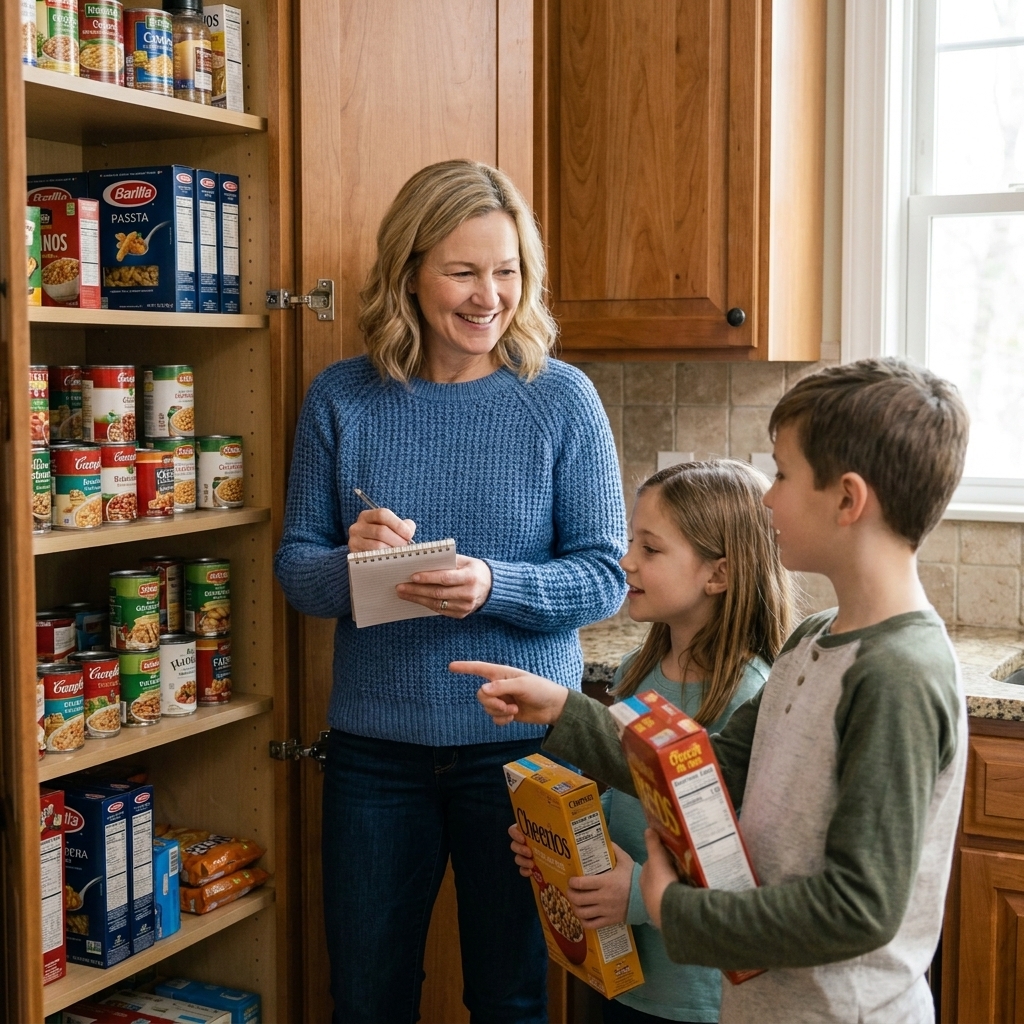
1) Do a 15-minute pantry scan
Write down what you can make with what you already have. Even if it is not Pinterest-perfect, it is temporary and it works.
2) Choose your easy-win meals
- Breakfast for dinner
- Homemade pizzas on tortillas or bread
- Chili, soup, or pasta with whatever veggies you have
- DIY snack plates: crackers, fruit, peanut butter, cheese, popcorn
3) Pull out the fun stuff
Set these out where everyone can see them:
- Board games and cards
- Puzzles
- Bikes, balls, sidewalk chalk
- Craft supplies you already own
- Library books you forgot you had
4) Lock down digital spending
Weekend spending sneaks in through screens, too. Before you go to bed Friday:
- Pause impulse-friendly apps (shopping, food delivery) or log out
- Check for anything set to auto-order or renew soon
- Make a quick family rule about in-app purchases and game add-ons for the weekend
A simple schedule
You do not need a strict itinerary. You just need a gentle structure so nobody defaults to “Let’s go buy something.”
Saturday
- Morning: Free outing (park, nature walk, playground) plus a packed snack.
- Afternoon: Home project or creative time (declutter challenge, craft hour, bake something simple).
- Evening: Themed family night (movie at home, game tournament, living room campout).
Sunday
- Morning: Slow breakfast and weekly reset (laundry, tidy up, prep for school/work).
- Afternoon: Library visit or free community event, then meal prep using what you have.
- Evening: Family meeting and money-win recap (more below).
Now for the fun part. If you have a few go-to ideas ready, the weekend feels full, not restricted.
Free family activities
Here is the truth: kids usually do not want expensive. They want engaged. They want you. They want novelty. And you can absolutely give them that without spending.
Get outside
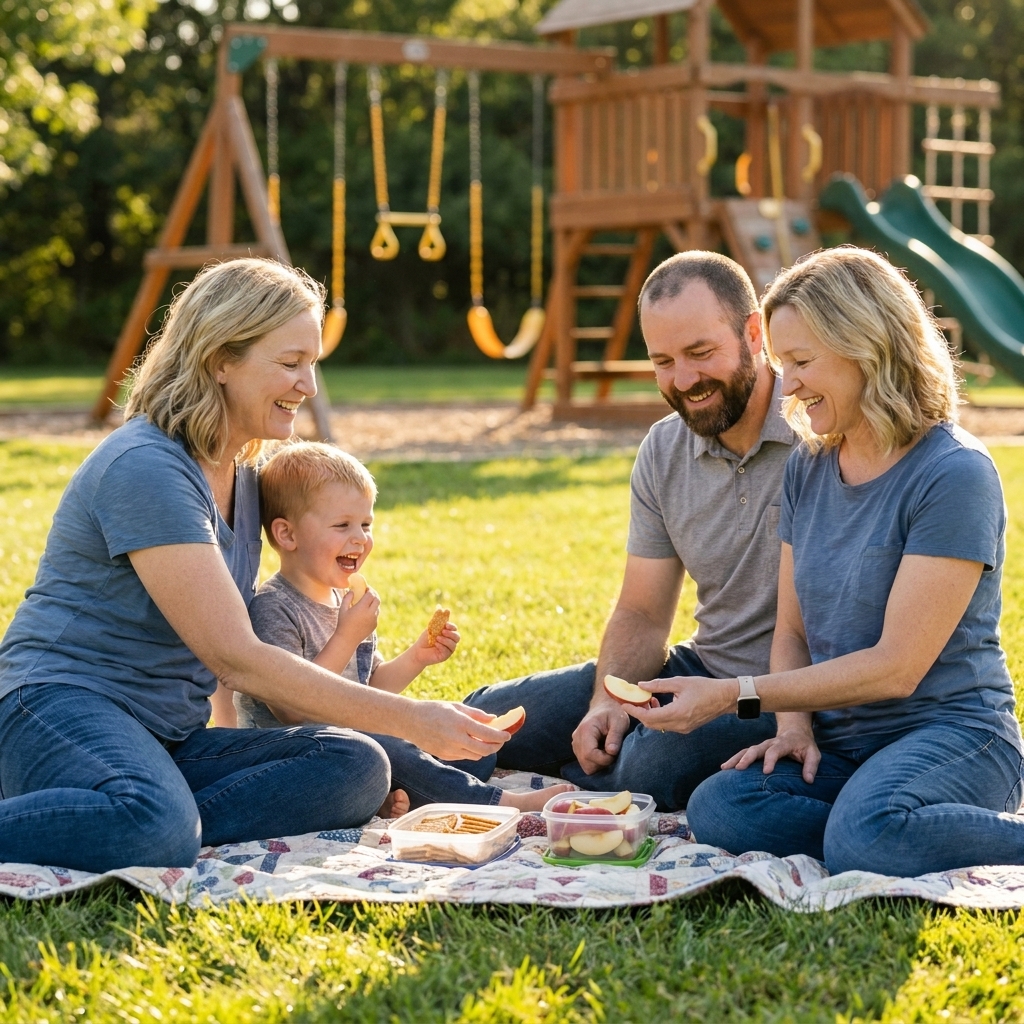
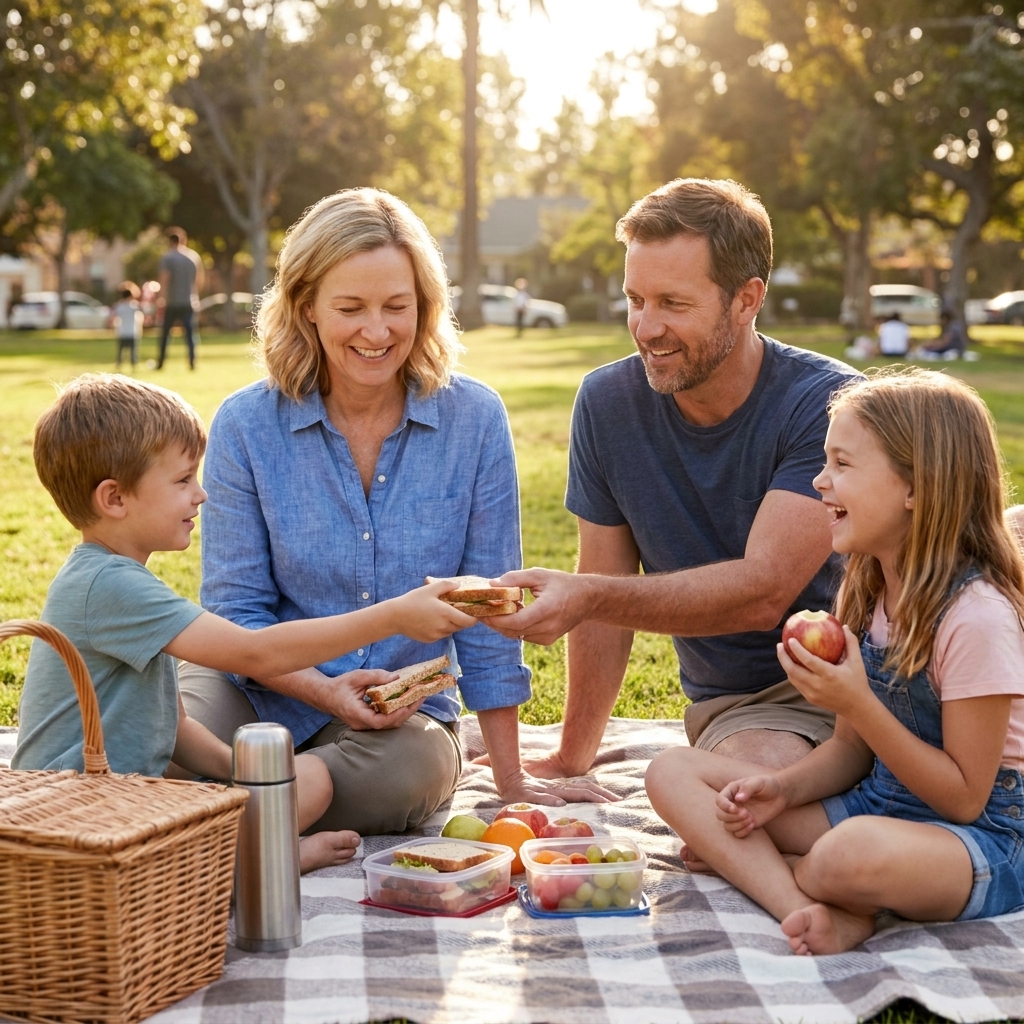
- Park hop: Try a different playground than usual and pack a picnic from your kitchen.
- Nature scavenger hunt: Find a smooth rock, a leaf bigger than your hand, something that smells good, something that starts with the letter “B.”
- Bike ride or scooter loop: Make it an adventure by letting the kids choose the turns (within boundaries).
- Backyard Olympics: Potato sack race with pillowcases, timed laps, hula hoop contest, long jump in the grass.
- Sunset walk: Bring a thermos of tea or cocoa from home and call it your “sunset club.”
At-home fun
- Living room campout: Blankets, pillows, flashlight shadow puppets, and a simple popcorn bar.
- Family chef challenge: Everyone creates a snack or plate using only what is already in the fridge and pantry.
- Movie night upgrade: Pick a theme (space, animals, superheroes) and build a blanket fort.
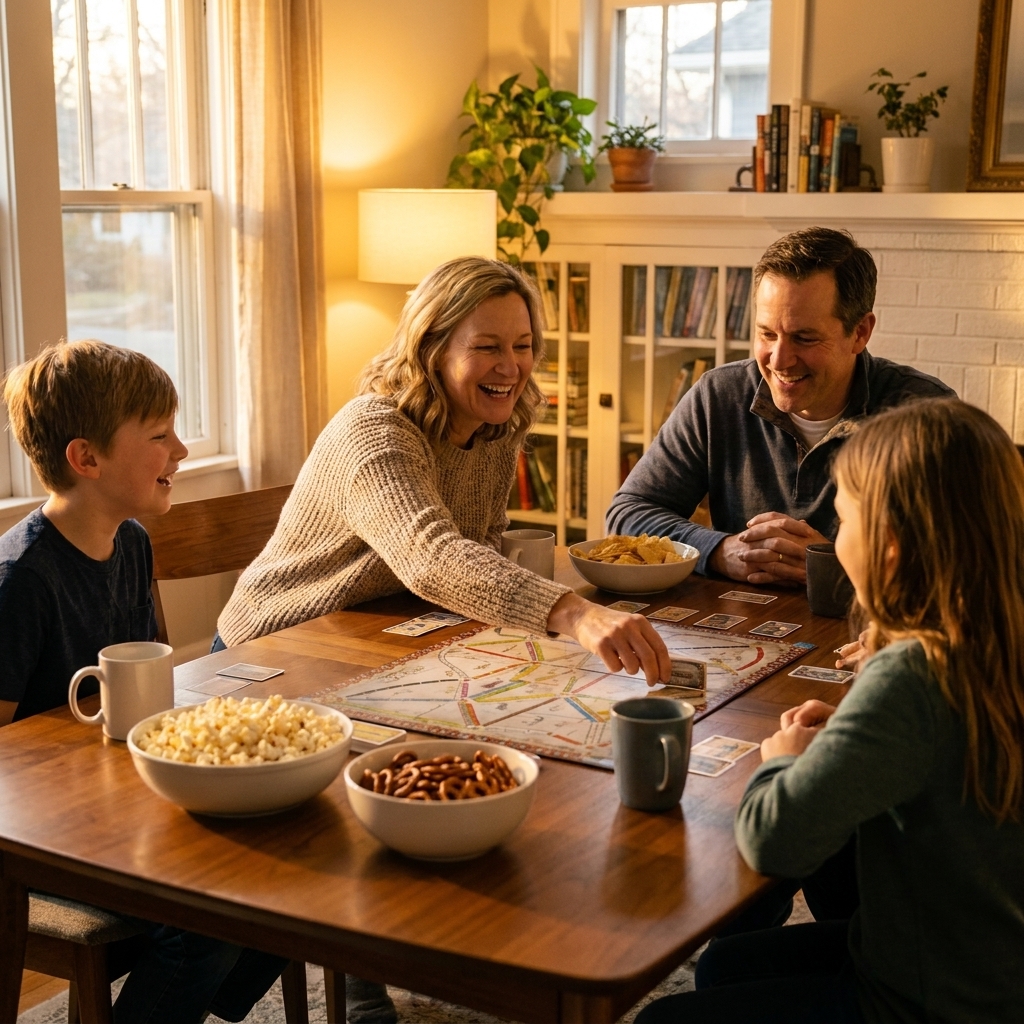
- Game tournament: Keep score across multiple games and let the winner pick Sunday dessert from what you already have.
- DIY spa night: Warm baths, nail painting, hair braiding, and a simple sugar scrub (sugar plus a little oil). Skip sensitive skin, and be careful using it in the tub since it can make surfaces slippery.
One of my favorite tricks is to add a ceremony. When kids hear “special night,” they stop comparing it to something you did not buy.
Library and community freebies
Your library can feel like a free entertainment subscription. Many libraries offer story times, craft days, teen events, and even passes to local attractions.
- Library visit: Let each kid pick a stack, plus one family audiobook for the car or cleaning time.
- Free museum days: Check local calendars and community boards.
- Community events: Outdoor concerts, festivals, school carnivals with free entry, town movie nights.
- Free tours and open houses: Nature centers, public gardens on free days, farmers market browsing (no buying).

Hard moments
When someone suggests takeout
Try this script: “Totally get it. Takeout sounds easy. Let’s do our fastest home option tonight, and we will put takeout on next weekend’s plan.”
You are not saying “no forever.” You are saying “not today.”
When the kids say they are bored
I say, “Bored is your brain asking for creativity.” Then I offer two choices from a pre-made list. Choices reduce whining. It also keeps you from becoming the cruise director.
When you feel deprived
Two things helped me when I first got serious about paying off debt:
- Make one thing feel abundant: Hot tea, popcorn, pancakes, a cozy blanket fort, a long bath.
- Track the win: Put the money you did not spend into a “freedom” category in your budget. Even if it is $30, seeing it builds motivation.
Make the win visible
If you want your family to buy into this long-term, celebrate the result, not just the restriction.
A quick Sunday recap
- Add up what you would have spent on takeout, random store trips, and paid activities.
- Tell your kids what that amount can do for your family: paying down debt, building an emergency fund, saving for a trip, a future zoo day, or a new bike.
If you do not want to do math, keep it simple: make a note in your phone each time you skip a typical purchase. Or keep a “no-spend tally” on the fridge and write down the usual cost next to it. The point is to see the progress.
Frugality is not about saying no to fun. It is about saying yes to the life you actually want, on purpose.
Common mistakes
Mistake: You start with errands
Fix: Move errands to a different day, or do “no-spend errands only.” That means you go in with a list, buy only what is on it, and leave.
Mistake: You plan nothing
Fix: Pick two anchor activities, one for Saturday and one for Sunday. Everything else can be flexible.
Mistake: You try to be perfect
Fix: Expect one tricky moment. Have a backup plan that is still free, like popcorn and a family movie, a walk, or a game night.
Mistake: You make it a punishment
Fix: Keep the tone light. This is a challenge, not a consequence. Talk about what you are gaining, not what you are losing.
FAQ
Can I grocery shop?
Yes, if you truly need essentials. I recommend setting a small cap, sticking to a list, and skipping non-essentials like special snacks and impulse treats.
What if we already had plans that cost money?
If it is pre-paid or non-refundable, keep it and still do a no-spend weekend around it. The goal is to stop extra spending, not punish yourself.
How often should we do this?
Once a month is a great starting point. If money feels tight, try two per month.
Does it help long-term?
It can, especially if you pair it with a simple budget. For me, no-spend weekends were training wheels for changing habits. Even one successful weekend can be enough to create a little breathing room and make Monday feel less stressful.
Pick a date
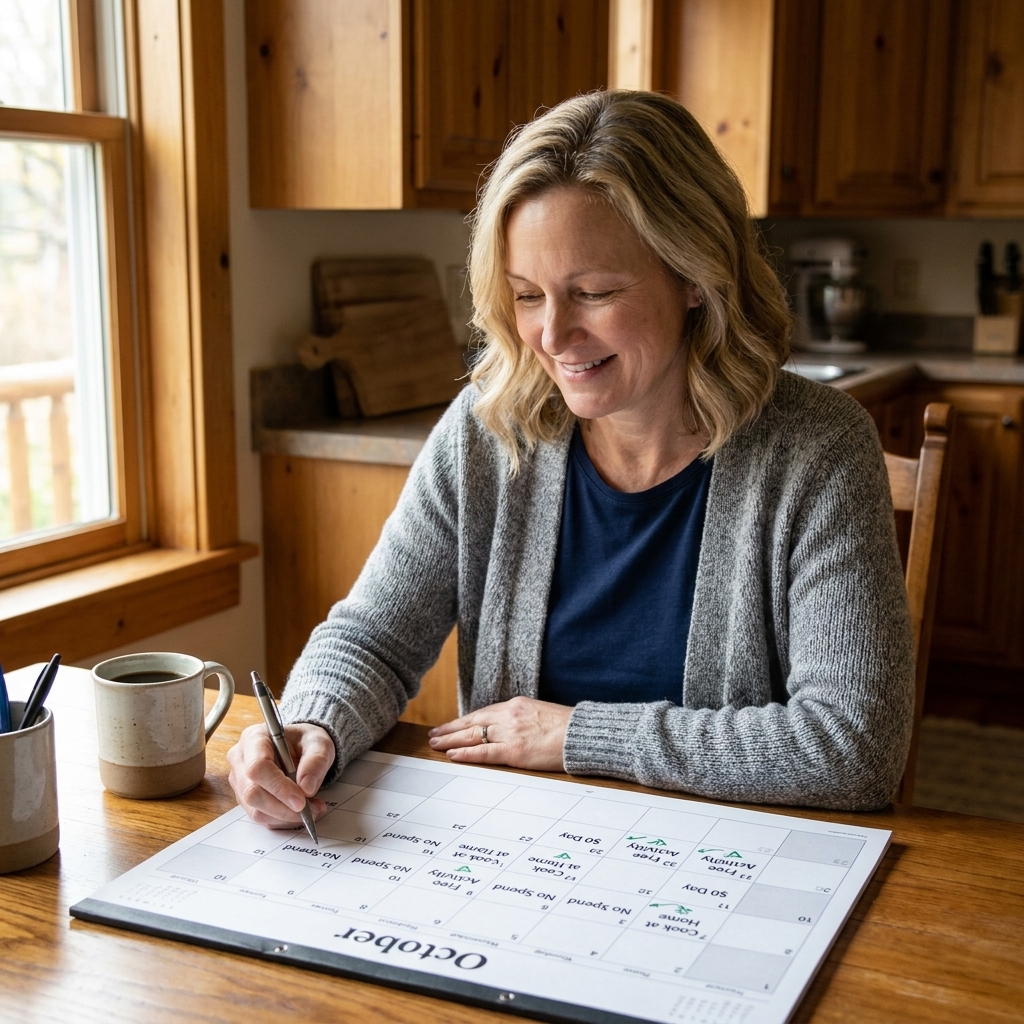
Choose a weekend on the calendar right now. Tell your family it is a no-spend weekend, pick your exception list, and plan two free anchor activities.
You are not trying to prove you can suffer through 48 hours. You are proving you can create a good life without constantly opening your wallet. And that skill is pure financial peace.