
If your utility bills make you feel like your house is quietly draining your bank account, you are not alone. I used to dread opening my electric bill, then feel guilty, then promise I would “do better” next month. That cycle is exhausting.
Here is the good news: a meaningful cut is realistic for a lot of households, and in some cases up to 30% can be possible, especially if you have drafts, older equipment, or lots of hot water use. Results depend on your starting point, your climate, your home size, and your utility rates.
This guide is built for immediate month-to-month savings. No perfection required. Pick a few steps today, add a few more next weekend, and let the savings stack.

Start here: find your biggest offenders in 10 minutes
You do not need a spreadsheet masterpiece to get results. You just need to aim at the right target.
Grab your last 2 bills for each utility
- Electric: look for kWh used and any “time of use” notes.
- Gas: note therms used (or total usage).
- Water: look for gallons or cubic feet used.
Do this quick split
- If your bill swings wildly by season, heating and cooling are often the driver.
- If your water bill is consistently high, look for leaks, long showers, and inefficient laundry habits.
- If your electric is high year-round, think appliances, hot water, lighting, and always-on devices.
One expectations reset: most utility bills include fixed charges (service fees, delivery, sewer base fees) that do not drop much even if you use less. That is normal. Your goal is to shrink the part you can control: usage.
Frugal Folio mindset shift: this is not about blaming yourself. This is about finding the few things that will move the needle most.
Electricity: fast wins (often 5% to 15%)
Depending on your habits and how efficient your home already is, electricity changes alone can be modest or surprisingly big. If you are starting from “everything stays plugged in forever,” you may feel the difference quickly.
1) Tame the “always on” energy vampires
Some devices draw power even when they look off. The easiest fix is a simple power strip and a new habit.
- Plug your TV, streaming box, game console, and sound system into one power strip.
- Flip it off at night or when you leave for work.
- Do the same for your home office setup if you do not need it 24/7.
Quick safety note: do not cut power to anything that needs constant power, like medical equipment, a modem you need for security monitoring, or anything you are told to keep on by the manufacturer.
If you want to make it brainless, use a smart power strip for your entertainment center. One small change, repeated every day, adds up.
2) Switch to LEDs where it matters most
I love a good “swap everything” challenge, but the frugal approach is to start with the bulbs that get used the most.
- Kitchen ceiling lights
- Living room lamps
- Porch or exterior lights that run for hours
- Bathroom vanity lights
LEDs use far less energy and last much longer than incandescent bulbs. Translation: lower electric bill now, fewer bulb purchases later.
3) Use cold water laundry most of the time
Heating water is expensive. Switching most loads to cold can reduce energy use without you “doing” much of anything.
- Wash clothes in cold unless you are sanitizing or dealing with heavy soil.
- Run full loads, not half loads.
- Use high spin to reduce drying time.
Bonus: your clothes often last longer when they are not constantly cooked in hot water.
4) Dry smarter
- Clean the lint filter every load.
- Dry similar fabrics together (towels with towels, not towels with thin shirts).
- Use dryer balls or a clean, dry towel to shorten drying time.
- If weather and space allow, air-dry the heavy stuff occasionally.
5) Make your fridge and freezer earn their keep
Your refrigerator runs all day, every day. A few tweaks can shave off waste.
- Set fridge to about 37 to 40°F and freezer to about 0°F.
- Check door seals: close a dollar bill in the door. If it slides out easily, the seal may be weak.
- Let leftovers cool a bit before refrigerating (not for hours, just not piping hot).
- Keep freezer reasonably full so it holds temperature better.

Heating and cooling: big savings without misery
In many homes, heating and cooling is the biggest slice of the utility pie. In mild climates it might not be, but it is still one of the most common places to find easy waste. The goal is not to freeze or sweat. The goal is to stop paying to condition air that immediately leaks out of your home.
1) Seal drafts first, then touch the thermostat
If your home is drafty, turning the thermostat down is like trying to save water with a leaky bucket.
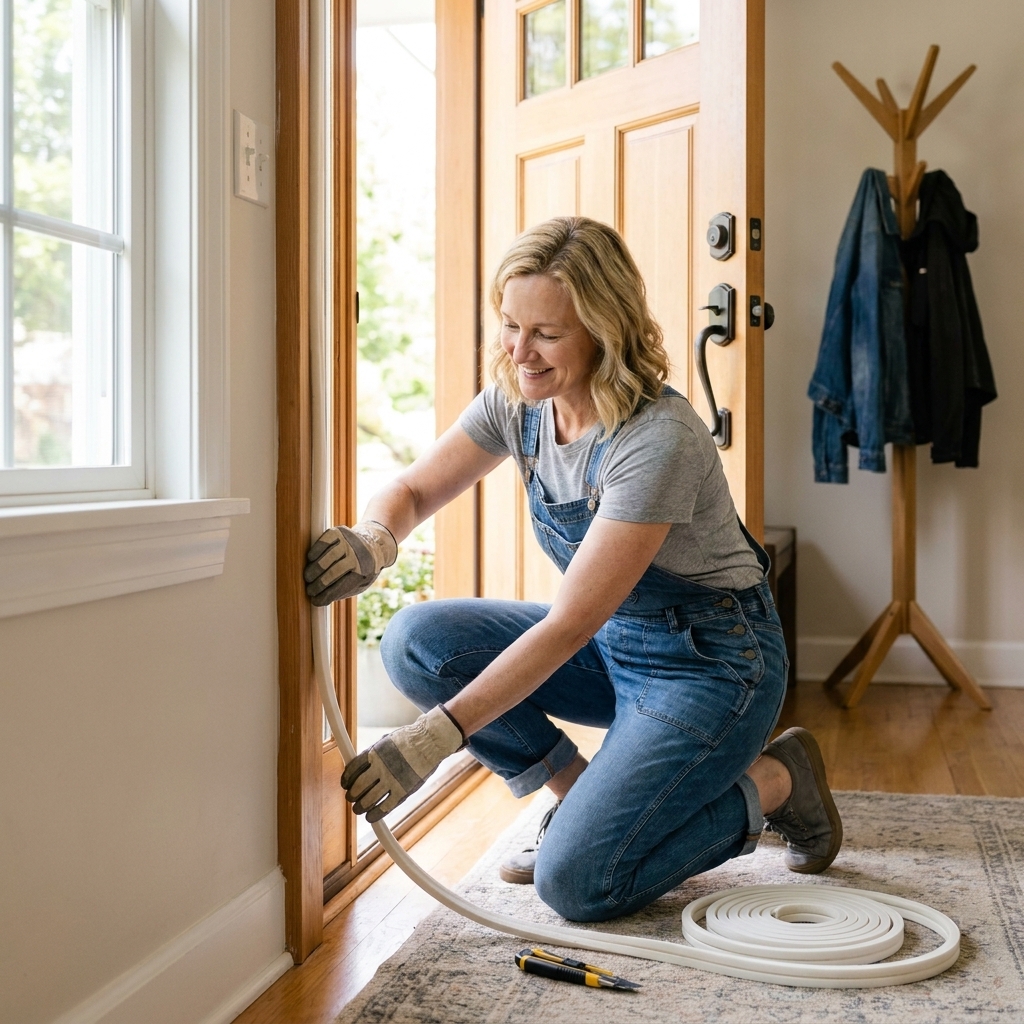
- Weatherstrip exterior doors.
- Add a door sweep if you can see light under the door.
- Use removable caulk or rope caulk around leaky windows (especially in winter).
- Check attic access panels for gaps.
These fixes are cheap, quick, and high impact.
2) Use a “cozy range”
In my old apartment, I used to keep the temperature locked in like it was a museum. Now I use a range.
- Winter: aim for a comfortable range (for many homes, around 65 to 68°F when awake) and a little lower when sleeping.
- Summer: aim for a comfortable range (often 76 to 78°F when home) and higher when away.
Even a small adjustment, especially combined with sealing drafts, can reduce costs.
3) Use fans the frugal way
- Ceiling fan direction: for most ceiling fans, clockwise in winter (on low) to push warm air down, counterclockwise in summer for a breeze effect.
- Turn fans off when you leave the room. Fans cool people, not rooms.
4) Change HVAC filters on schedule
A clogged filter makes your system work harder for the same comfort. Set a phone reminder and keep a spare filter on hand.
5) Use curtains on purpose
- Winter: open curtains on sunny windows during the day, close them at night.
- Summer: close curtains on the hottest sun-facing windows in the afternoon.
If you have older windows, thermal curtains can be a surprisingly good “middle step” before expensive replacements.
Safety note: if you use any gas or other combustion appliances, do not block vents or air intakes. If you rely on space heaters, use a modern unit with tip-over protection, keep it away from curtains and bedding, and never run one unattended or while sleeping.
Water: cut waste without feeling deprived
Water bills can sneak up on you because the “problem” is usually a routine. The easiest way to lower water costs is to stop paying for water you never meant to use.
1) Fix leaks like your budget depends on it
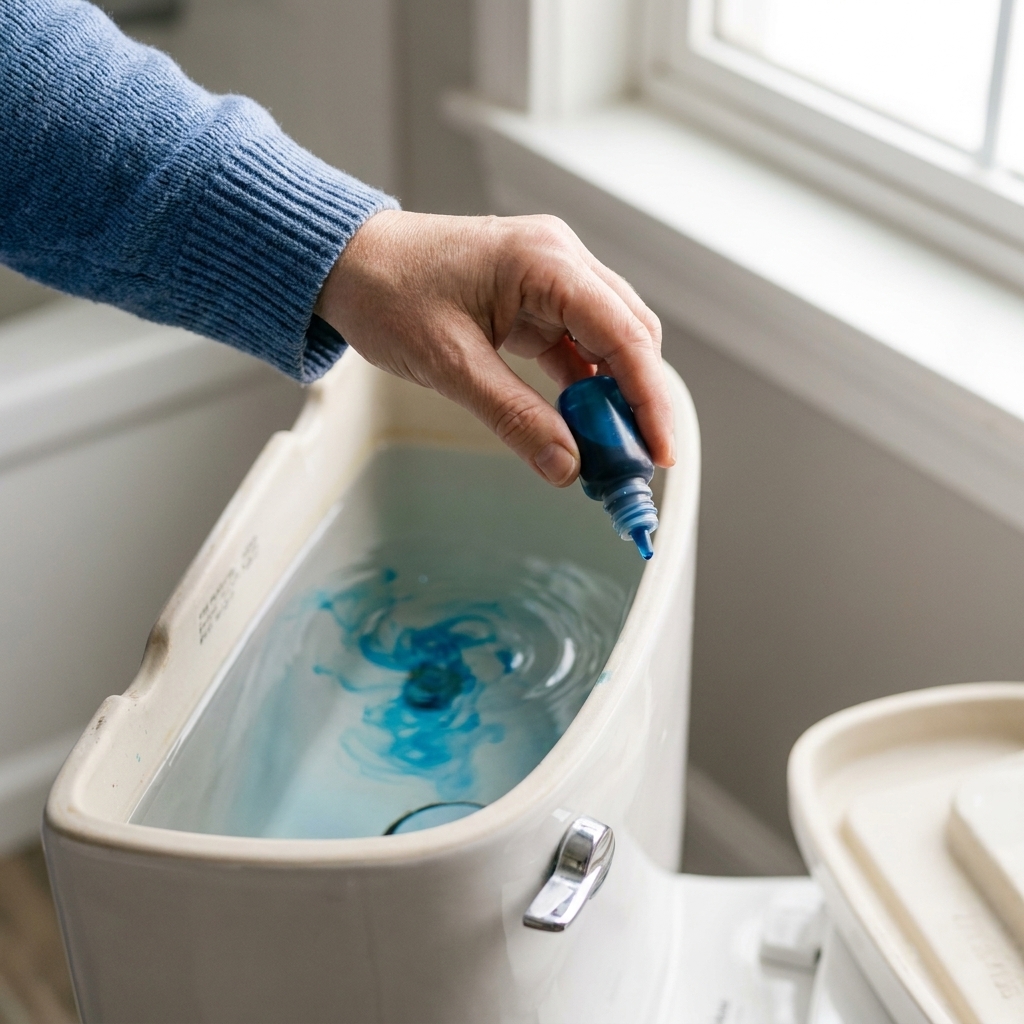
Toilet leaks are notorious because you might not notice them.
- Drop a few drops of food coloring into the toilet tank.
- Wait 10 to 15 minutes without flushing.
- If color shows up in the bowl, you have a leak that likely needs a new flapper.
Faucet drips and running toilets can waste shocking amounts over a month.
2) Install low-flow showerheads and faucet aerators
This is one of my favorite “set it and forget it” upgrades. It reduces water use, and if you heat your water, it also reduces energy use.
Look for efficient models that still feel like real water pressure. You can have a pleasant shower and a lower bill. Both can be true.
3) Take a realistic shower shortcut
If you currently take long showers, do not jump straight to a strict timer that makes you miserable. Try this instead:
- Keep your normal routine, but turn water off while you lather or shave.
- Or cut just 2 minutes off your usual time and keep it there for a week.
4) Run appliances only when full
- Dishwasher: full load, and use the air-dry setting if available.
- Laundry: full loads, and match water level to load size if your washer allows it.
5) Water your yard with intention
If you irrigate, watering less often but deeper is usually better than frequent light watering. Water early morning to reduce evaporation. And if you are in a dry area, consider reducing thirsty landscaping over time. Your future water bill will thank you.
Hot water: a quiet budget buster
Hot water is the bridge between energy and water. If you can reduce hot water use, you often get a double win.
1) Check your water heater temperature
Many homes are set hotter than necessary. A common efficiency target is around 120°F for a balance of comfort and savings. Follow your manufacturer guidance and local code, and consider household needs. Some situations call for different settings or a mixing valve for safety.
2) Insulate the first stretch of hot water pipes
If you can access the pipes near your water heater, pipe insulation is a low-cost DIY that helps hot water stay hot on the way to your shower and sinks.
3) Stop pre-rinsing like it is mandatory
Most modern dishwashers are built to handle dirty dishes. Scrape and load. Try to avoid running the tap for a long rinse first, even if it is cold water. If you have a dishwasher that struggles, a quick scrape and a brief rinse is still better than a full pre-wash under hot running water.
4) Find the hot water hogs
- Very hot, very long showers
- Hot water laundry for everything
- Hand-washing dishes under running hot water
Pick one. Fix one. Then move to the next.
Room-by-room checklist
Kitchen
- Run dishwasher full and use air-dry
- Use microwave, toaster oven, or slow cooker when it makes sense (less heat than a full oven)
- Check fridge seals and temperature
- Unplug small appliances you rarely use
Bathroom
- Fix running toilets and dripping faucets
- Install low-flow showerhead and faucet aerators
- Take slightly shorter showers or pause water while lathering
Laundry area
- Wash cold most of the time
- Clean lint trap and avoid over-drying
- Run full loads
Living room and bedrooms
- Use power strips for entertainment systems
- Replace the most-used bulbs with LEDs
- Use curtains strategically for heat gain or blocking sun
Entryways and windows
- Weatherstrip exterior doors
- Add door sweeps
- Seal obvious window drafts
A realistic 30-day plan
If you want this to feel doable, try this “one week at a time” approach. Depending on your baseline, you might hit 10%, you might hit 25%, and in some homes 30% is within reach.
Week 1: Free and almost-free habits
- Power strip the entertainment center and turn it off nightly
- Cold water laundry for most loads
- Shorten dryer time with lint cleaning and better sorting
- Thermostat: shift by 1 to 2 degrees toward savings
Week 2: Fix leaks and reduce hot water
- Toilet dye test and replace flapper if needed
- Install faucet aerators
- Adjust water heater temperature if it is set too high
Week 3: Seal the house
- Weatherstrip one exterior door
- Add a door sweep
- Seal your draftiest window areas
Week 4: Lighting and set-it-once upgrades
- Replace the top 5 most-used bulbs with LEDs
- Swap in a low-flow showerhead
- Replace or clean HVAC filter
Keep it simple: write down usage from your bills each month (kWh, therms, gallons). Watching the numbers shift is incredibly motivating, even when rates change.
If you want to go further
If you are aiming for the biggest possible cut, the quick wins above are a great start. These next steps are more “medium lift,” but they can make a serious difference.
- Utility energy audit: many utilities offer low-cost or free audits, plus rebates.
- HVAC tune-up: a well-maintained system runs more efficiently.
- Add attic insulation or air sealing: high impact in many climates.
- Smart thermostat: helpful if you will actually use the scheduling features.
- Heat-pump water heater: a bigger upgrade, but often eligible for incentives.
What if you rent?
I have been there. You can still make a big dent without drilling holes or replacing appliances.
- Use removable rope caulk for drafty windows (seasonal).
- Add temporary weatherstripping that peels off cleanly.
- Use thermal curtains and close them at the right times.
- Use power strips, LEDs, and cold water laundry.
- Ask your landlord about the HVAC filter replacement schedule. A fresh filter helps everyone.
Renters can often get close to that “big cut” range, especially if the unit is drafty or your hot water habits are doing a lot of heavy lifting on the bill.
Quick FAQ
Is 30% actually possible?
It can be, especially if you have not optimized heating and cooling, you have leaks, or you are using lots of hot water. If your home is already efficient, you might see a smaller percentage, but you will still keep more money each month.
What is the number one change to start with?
If you can only do one thing today, do this: seal drafts (doors and obvious window gaps) and adjust your thermostat slightly. Comfort often goes up and costs tend to go down.
Should I buy a smart thermostat?
A smart thermostat can help, but it is not required. You can mimic the benefit by setting a schedule manually and sticking to a comfortable range.
What if my bills are high because of rates, not usage?
Rates matter, and fixed fees can limit how low your bill goes. But usage is still the lever you control. Also check your utility provider for budget billing, off-peak pricing options, and rebates for efficient upgrades.
A gentle reminder
When I was paying off debt, I used to think savings had to be dramatic to matter. But utility savings are powerful because they repeat every month.
You do not need to overhaul your life to cut costs. Choose three changes from this guide, try them for two weeks, and then add one more. Frugality is not punishment. It is you taking your money back, one small win at a time.