If you have ever felt like you are constantly buying “little stuff” that somehow turns into a big total at checkout, you are my people. When I was paying off debt, I used to get so frustrated by the never-ending stream of paper towels, sandwich bags, dryer sheets, and plastic wrap. None of it felt expensive in the moment, but it absolutely added up.
The good news is you do not have to become a crunchy minimalist or start making your own toothpaste to see real savings. A handful of reusable swaps can take a real bite out of your yearly household budget, and many of them can pay for themselves pretty quickly, depending on how often you were rebuying the disposable version.

Note from the trenches: Do not try to switch all 12 at once. Pick two that annoy you the most to keep repurchasing, use them for a month, then add the next.
1) Cloth towels instead of paper towels
What to swap: Paper towel rolls
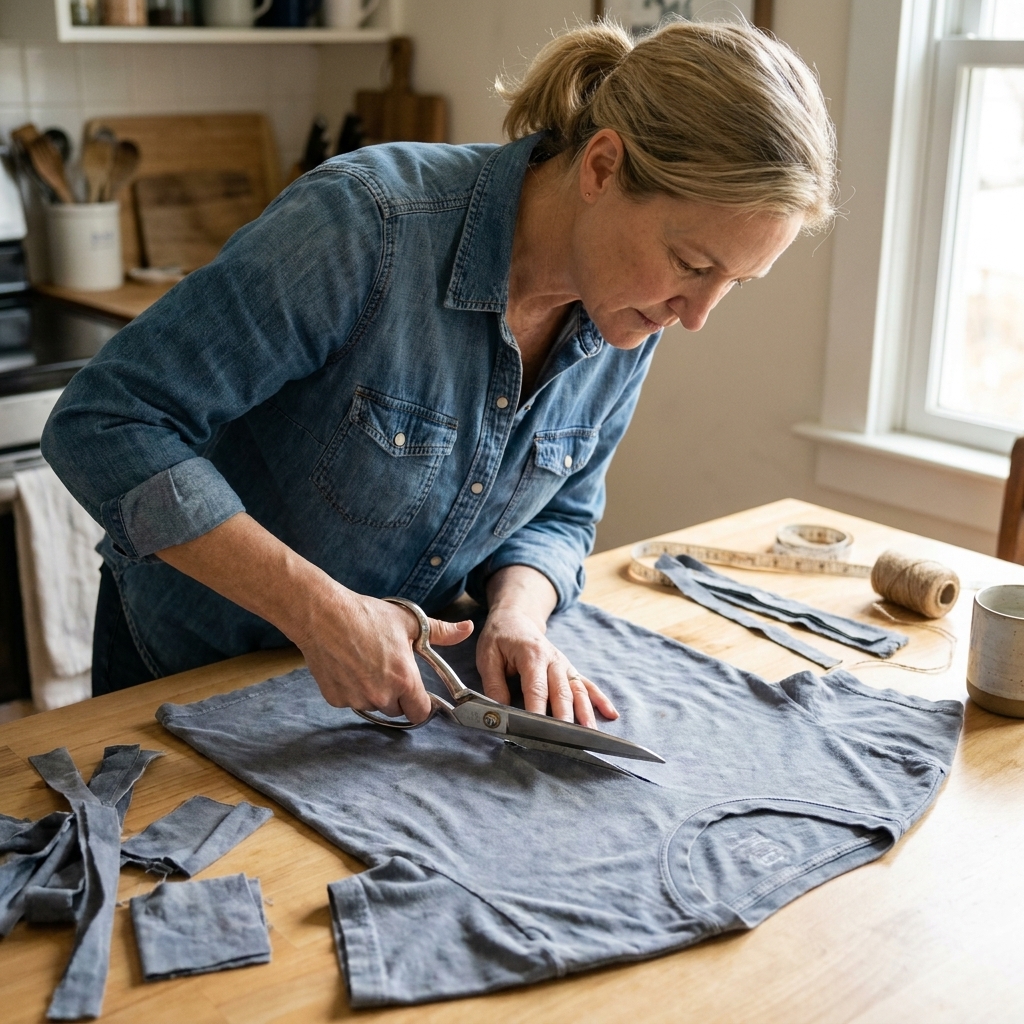
Try instead: A stack of washable shop towels, flour sack towels, bar mop towels, or cut-up old t-shirts (yes, really)
This is the gateway swap because it is so easy. I keep a small basket of cloths in the kitchen and another in the bathroom. Most messes do not need a disposable paper towel. Cloths handle counters, kids’ spills, mirrors, and quick wipe-downs just fine.
- How it saves: If your household goes through a lot of paper towels, even cutting back by 1 roll a week can add up fast over a year.
- Quick example: If you spend about $2 per roll and you avoid 50 rolls over the year, that is roughly $100 saved. A $15 to $30 stash of towels can earn its keep.
- Frugal tip: Buy bar mop towels in multipacks or grab cotton towels at thrift stores. Stained is totally fine for cleaning.
- Make it stick: Put a small open bin under the sink for “used cloths” so you do not toss them on chairs and lose them.
- Good to know: Disposables still have their place. If you are dealing with raw meat juices or a stomach bug cleanup, you may prefer a one-and-done option.
2) Cloth napkins and real dishes
What to swap: Paper napkins, paper plates, and disposable cutlery
Try instead: Cloth napkins and your everyday plates
I used to justify paper plates during busy weeks, but it turned into a habit. Cloth napkins feel fancy, they wash up easily, and you can build a stash slowly.
- How it saves: Paper goods are a repeat expense. Cloth is a one-time purchase.
- Frugal tip: Thrift stores often have cloth napkins, mismatched sets, or linens you can cut into squares.
- Make it stick: Keep cloth napkins in a drawer right where you used to store paper napkins.
3) Reusable bags instead of zip-top bags
What to swap: Sandwich and freezer bags
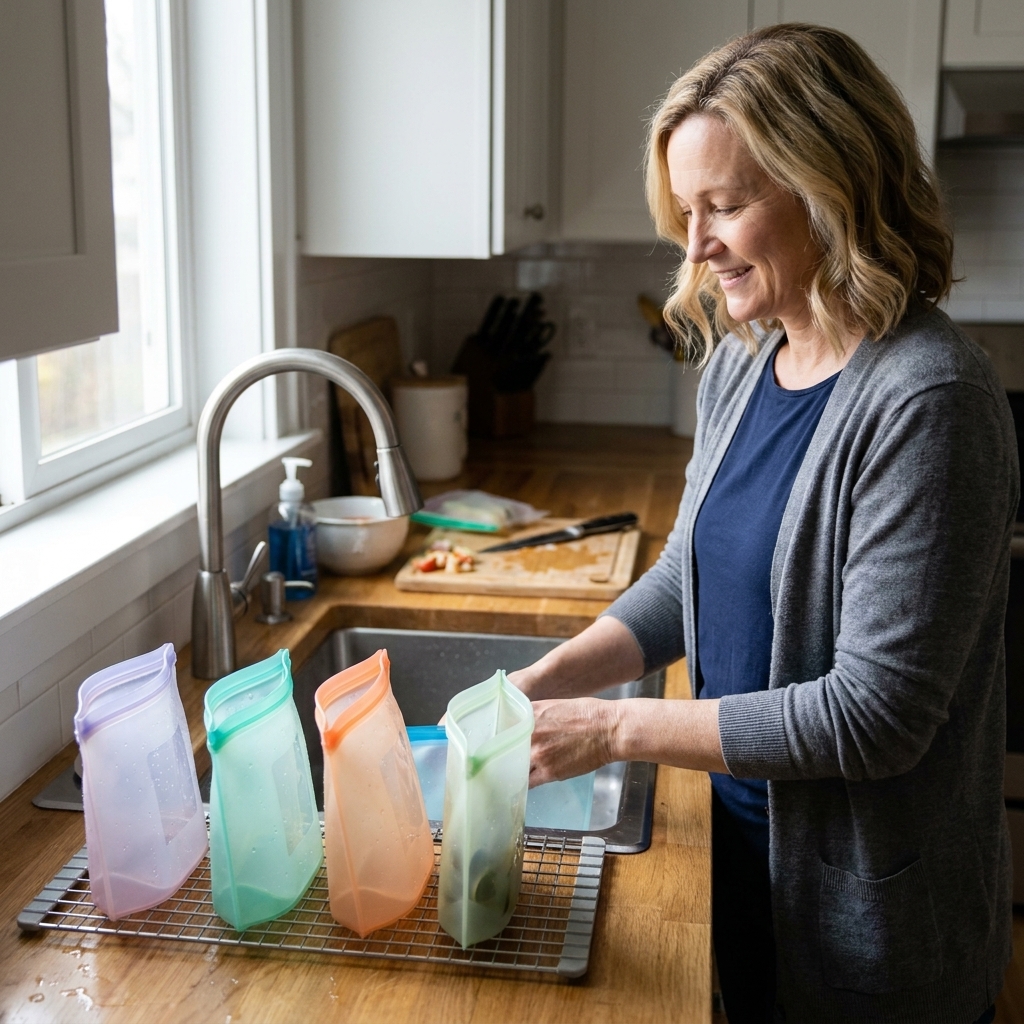
Try instead: Reusable silicone bags (or a mix of silicone bags and containers)
Zip-top bags are one of those stealth budget leaks, especially if you pack lunches. Reusable bags cost more upfront, but they can be washed and reused for years with normal care.
- How it saves: Lunch packing is where bags disappear fast.
- Quick example: If a $4 box of bags lasts you about 2 weeks, that is roughly $100 a year. A $20 to $40 set of reusable bags can break even quickly if you use them consistently.
- Frugal tip: Start with 4 to 6 bags in the sizes you actually use. Add more later if needed.
- Care tip: Turn them inside out to dry fully. That prevents the “why does this smell weird” problem.
4) Containers instead of plastic wrap
What to swap: Plastic wrap and foil for leftovers
Try instead: Glass containers with lids, lidded bowls, or reusable bowl covers
I still keep a small amount of foil for specific jobs, but glass containers are my go-to. Leftovers store better, you can see what you have, and you are not playing “will this cling today?” with plastic wrap.
- How it saves: Fewer repeat purchases and less wasted food because you can actually see leftovers.
- Frugal tip: Save glass jars from pasta sauce or salsa for pantry storage and some leftovers (just skip microwaving the metal lid).
5) Dryer balls instead of dryer sheets
What to swap: Dryer sheets
Try instead: Wool dryer balls (or reusable dryer sheets you can wash)
Dryer sheets are a classic “why am I buying this again?” item. Wool dryer balls last for loads and loads of laundry, and they may help clothes dry a bit faster by improving airflow, especially with bulkier loads. Your results will depend on your dryer and how full you pack it.
- How it saves: One set replaces months (or years) of disposable sheets.
- Frugal tip: Skip the fancy sets. A basic pack works.
- Optional: Add a tiny drop of essential oil if you like scent. If you have sensitive skin, keep it unscented.
6) Refill soap instead of new bottles
What to swap: New pump bottles of hand soap every time you run out
Try instead: Refill jugs, concentrates, or foaming soap tablets
This is one of my favorite low-effort wins. Keep a nice pump bottle you like, then refill it from a larger jug or use soap concentrate. Foaming soap often uses less product per wash since it is diluted, but it can vary by formula and how heavy-handed your household is.
- How it saves: Refills usually cost less per ounce than individual bottles.
- Frugal tip: If you have foaming dispensers, you can often dilute liquid soap with water. Follow the soap’s directions if provided.
7) Safety razor or refillable razor system
What to swap: Disposable razors or expensive cartridge refills
Try instead: A metal safety razor with replaceable blades (or a refillable cartridge subscription you actually stick with)
I know razors can be personal, so take this one at your pace. A safety razor has a learning curve, but replacement blades are typically far cheaper than cartridges.
- How it saves: Low-cost blades replace high-cost cartridges.
- Frugal tip: Start with one handle and a small blade sampler pack to find what feels best.
- Safety tip: Use a proper blade bank or sealed container for used blades.
8) Reusable rounds for skincare
What to swap: Cotton balls and cotton rounds
Try instead: Washable cotton or bamboo rounds, or a soft washcloth
If you remove makeup or apply toner, this swap is a no-brainer. Toss the used pads into a small mesh laundry bag and wash with towels.
- How it saves: You stop rebuying cotton rounds every few weeks.
- Frugal tip: Old flannel shirts make fantastic DIY remover cloths.
9) Filtered water instead of bottled water
What to swap: Cases of bottled water
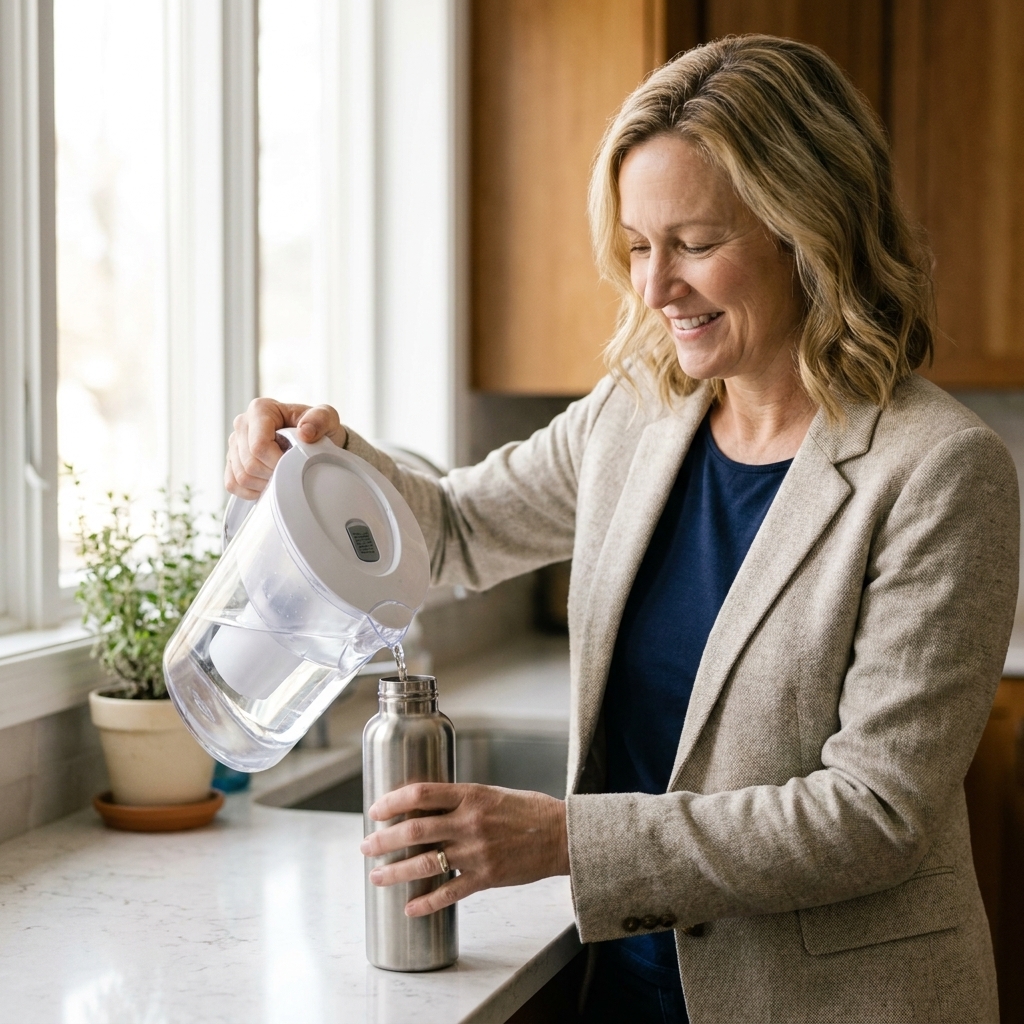
Try instead: A durable reusable bottle plus a filter pitcher, faucet filter, or fridge filter
Buying bottled water is like paying for convenience and trash at the same time. If your tap water tastes off, filtration can be a practical middle ground that is still usually far cheaper than case after case.
- How it saves: Even a few cases a month adds up quickly.
- Quick example: If you buy four $5 cases a month, that is $240 a year. A pitcher or faucet filter plus replacement filters can still come out ahead, as long as you replace filters on schedule and budget for them.
- Frugal tip: Keep one bottle you love and actually use. The “best” bottle is the one that leaves the house with you.
10) Washable mop pads
What to swap: Disposable floor pads
Try instead: A mop with washable pads or traditional mop heads
Disposable pads are convenient, but they are designed to keep you buying refills. Washable pads are one of those purchases that feel boring until you realize you have not bought floor pad refills in months.
- How it saves: No more refill packs.
- Frugal tip: Wash microfiber separately from linty towels when you can. They last longer and clean better. If you prefer to avoid microfiber, cotton cloths and traditional mop heads work too.
11) Reusable coffee setup
What to swap: Single-use coffee pods or paper filters
Try instead: A reusable pod, metal mesh filter, pour-over with a reusable filter, or a French press
I am not here to take away your coffee joy. I am here to protect your budget while you keep your morning ritual. If pods are your thing, reusable pods can cut costs significantly. If you brew drip, a reusable filter can reduce repeat filter purchases.
- How it saves: Pods and specialty filters can be pricey per cup.
- Frugal tip: The cheapest coffee is usually grounds bought in larger bags, stored airtight.
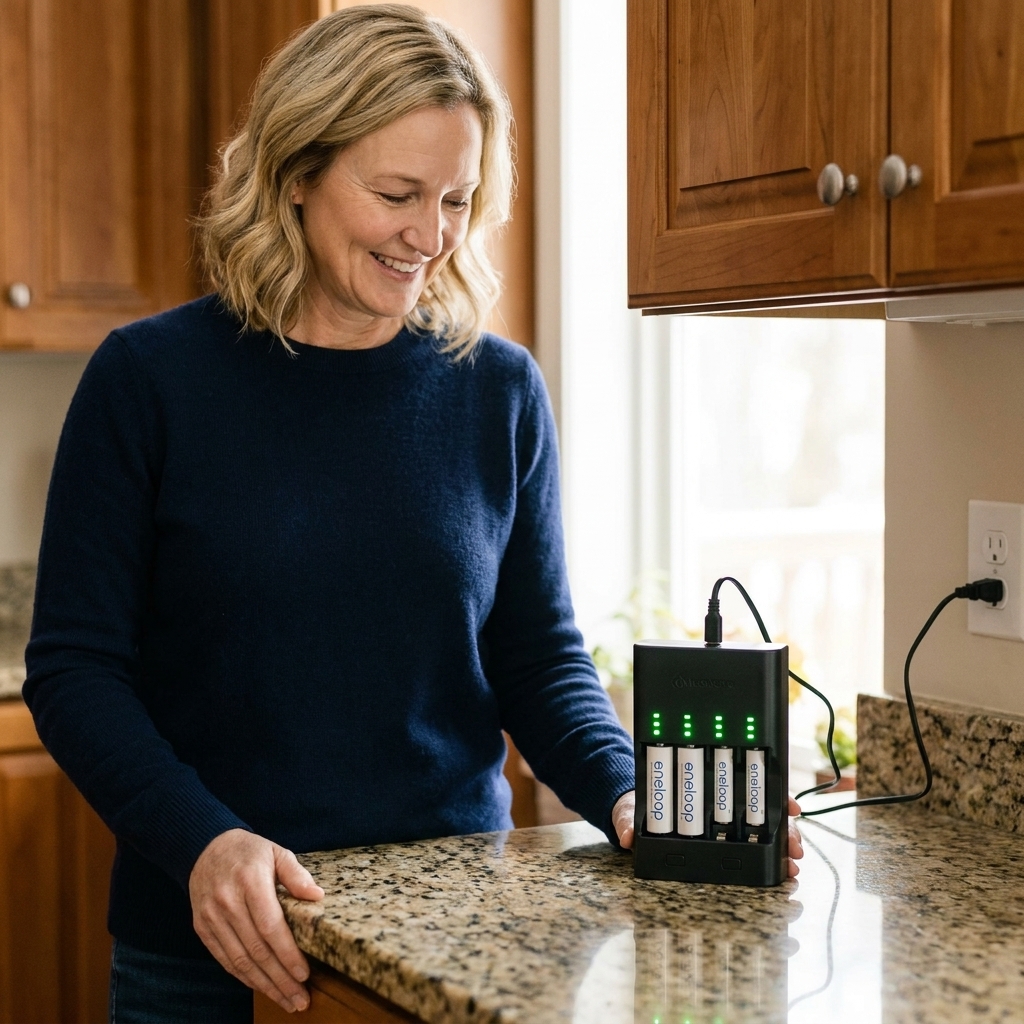
12) Rechargeables instead of single-use batteries
What to swap: Single-use AA and AAA batteries
Try instead: A rechargeable battery set and charger
Between remotes, toys, candles, and flashlights, batteries disappear in a blink. A solid rechargeable set can pay for itself surprisingly quickly, especially in households with kids.
- How it saves: Fewer battery purchases over the year.
- Frugal tip: Start with the battery sizes you use most. For many homes, that is AA and AAA.
- Make it stick: Store the charger where you will actually see it, not buried in a closet.
Pick the best swaps for you
If you want the biggest bang for your buck, focus on what you repurchase frequently. Here is a quick way to prioritize without overthinking it:
- Check your last two receipts from the grocery store or big box run and highlight paper goods, bags, and cleaning refills.
- Pick one frequent buy (paper towels, baggies, or bottled water are common) and swap that first.
- Set a break-even goal: if the reusable item costs $20, aim to avoid $20 worth of disposables within 30 to 60 days.
This is exactly how I stayed motivated while paying off my debt. I needed quick wins that felt real, not vague promises.
FAQ
Are reusable swaps cheaper if you factor in laundry?
In most households, yes. You are already running laundry for clothes and towels, so adding a small load of cleaning cloths or napkins is usually a marginal cost. To keep it extra budget-friendly, wash reusable cloth items with towels in cold water and air dry when you can.
What is the easiest swap to start with?
Cloth “paper towels” and reusable food containers are the easiest for most people because they require almost no habit change. You are still wiping and still storing leftovers, just with items you can wash and reuse.
What if my family hates change?
Totally normal. Start with swaps they barely notice, like refill soap or dryer balls, then move to the more visible swaps like cloth napkins. Also, keep a small backup stash of disposables for genuinely hectic weeks. Progress beats perfection every time.
A one-week challenge
If you want to turn this into immediate savings without overwhelm, try this:
- Day 1: Put a basket of cloths in the kitchen and stash the paper towels.
- Day 2: Pack lunch using containers or one reusable bag instead of zip-top bags.
- Day 3: Set up refills (hand soap or dish soap).
- Day 4: Pick one “never again” item and write it on your shopping list as a reminder (mine was dryer sheets).
- Day 5: Do one small load of the new reusables and notice how easy it was.
Frugality is not about making life harder. It is about buying fewer things that do not matter so you can fund the things that do. And these swaps are a beautiful place to start.