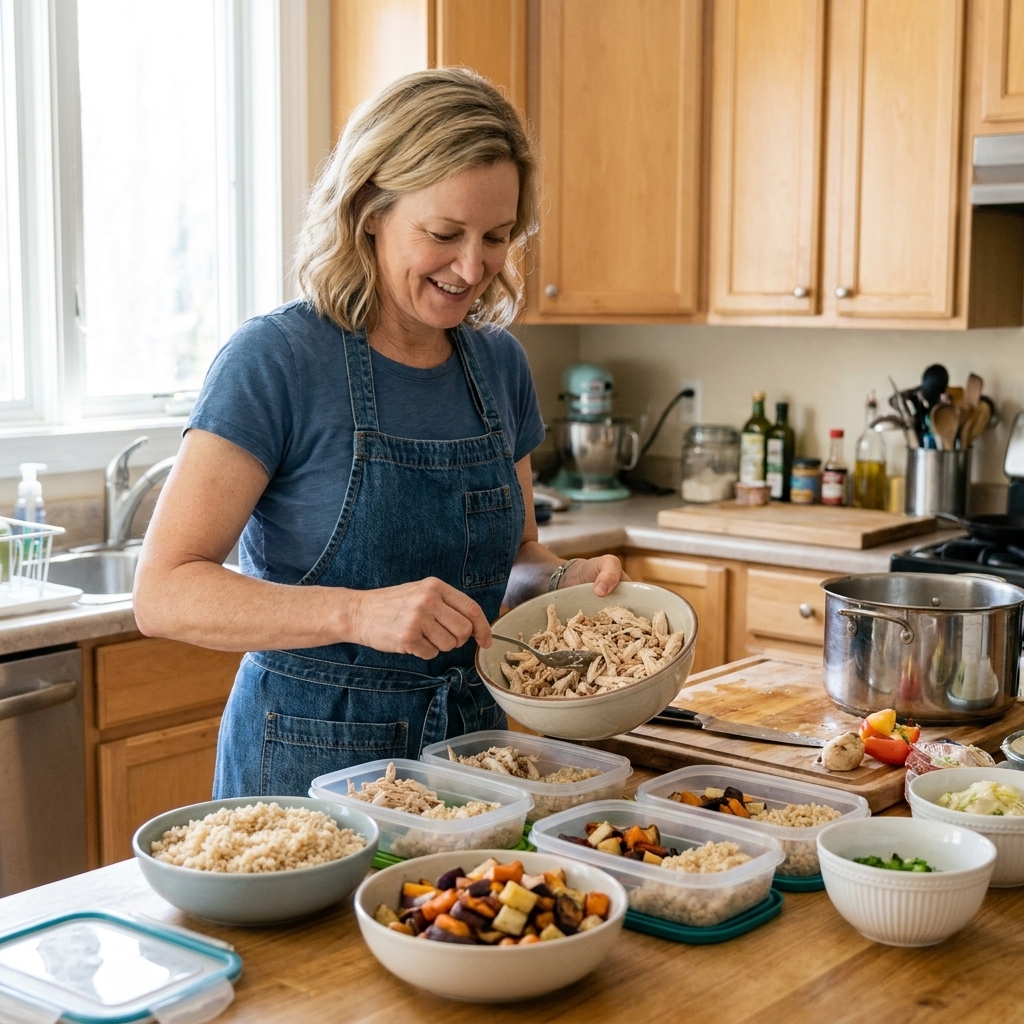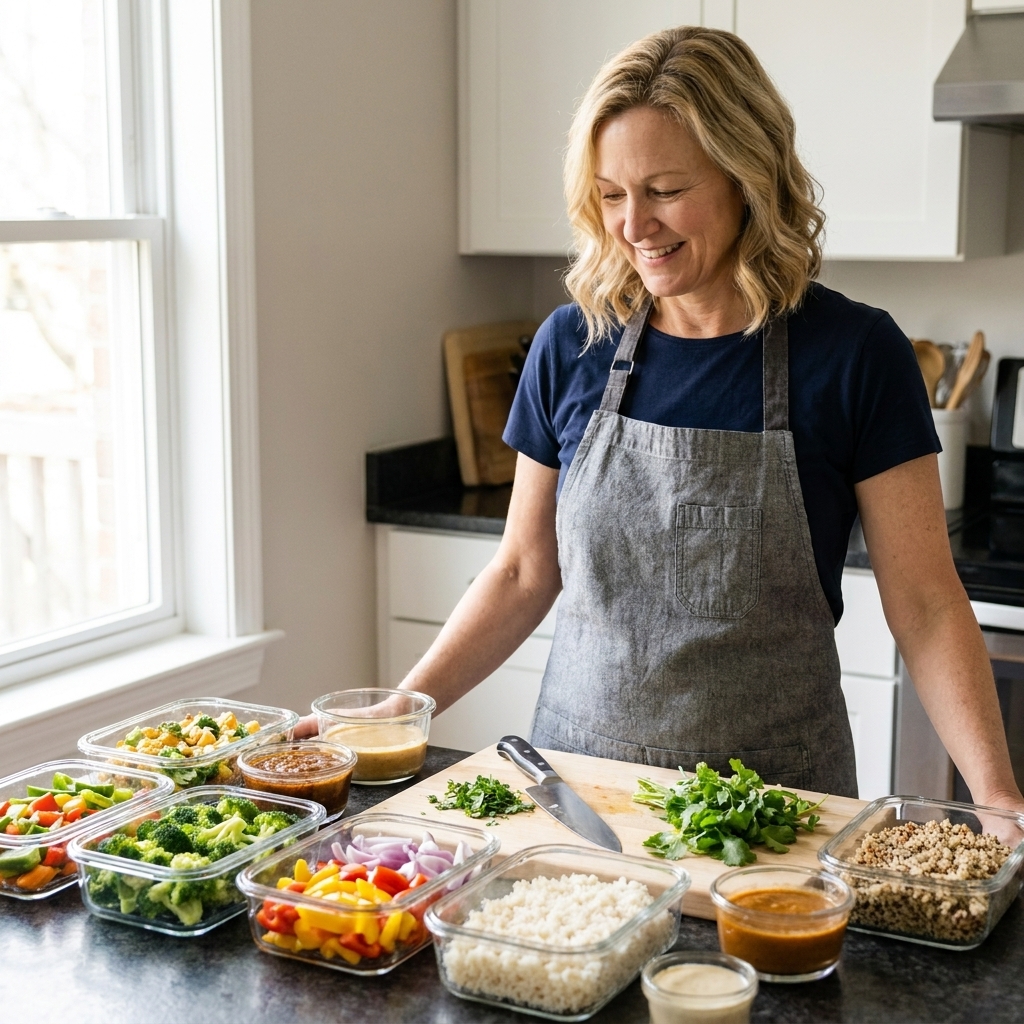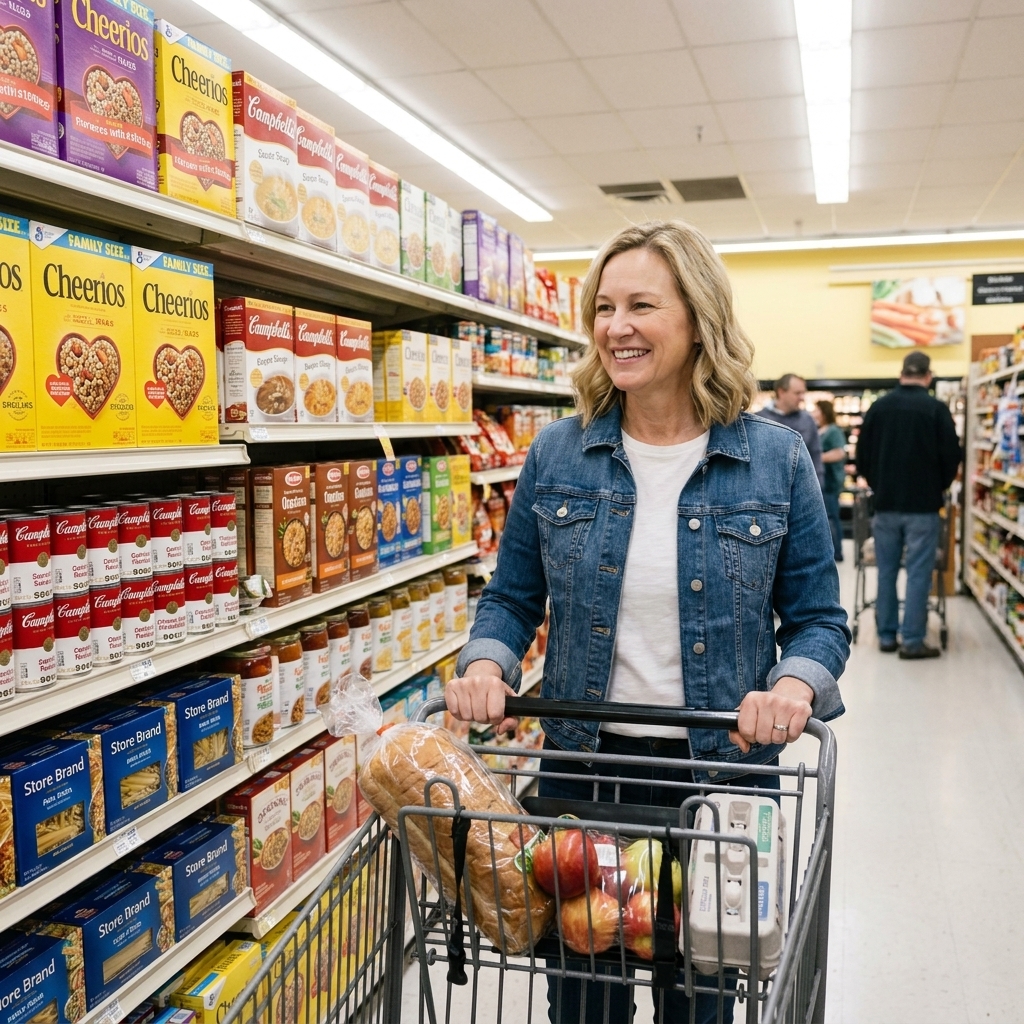
When I was crawling out of $45,000 of consumer debt, my grocery budget had to behave. Like, immediately. I did not have room for “oops I forgot lunch” takeout or five random half-used ingredients that died in the crisper drawer.
The good news is you can often meal prep for a full week on $50, especially for one adult in many areas. The key is not superhuman willpower. It is a simple plan: pick budget-friendly building blocks, shop with intention, and prep just enough so on weeknights you can practically feed yourself on autopilot.
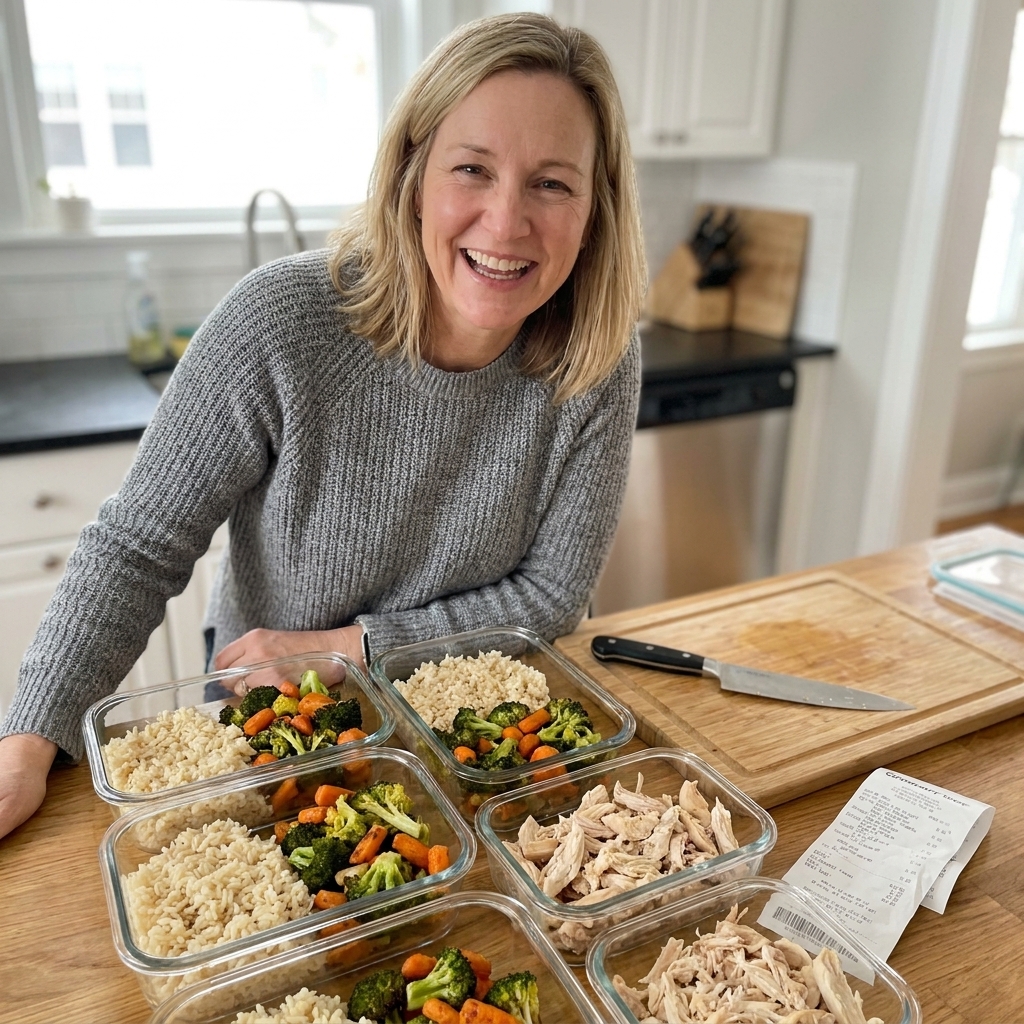
Before you start: what $50 can cover
With a $50 weekly grocery budget, you are usually aiming for:
- 5 to 7 breakfasts
- 5 lunches
- 5 to 6 dinners (with leftovers doing some heavy lifting)
- 1 to 2 simple snacks
This works best if you cook at home most nights and keep ingredients overlapping. If you have dietary restrictions, a big appetite to feed, or you live in a very high-cost area, $50 may take extra strategy (more beans and eggs, fewer convenience items). Still doable for a lot of people. Just tighter.
Step 1: Your $50 blueprint
Before you even think about recipes, answer these three questions:
- How many people? This guide is written for one adult with normal portions. For two adults, you may need to scale up and focus on the cheapest proteins (beans, eggs, peanut butter) and watch waste like a hawk.
- How many meals will be eaten at home? If you know you have two lunches out, you just freed money for better produce or an extra protein.
- What do you already have? Check your pantry and freezer for rice, pasta, oats, spices, frozen veggies, or a forgotten bag of lentils.
Frugal rule: if you already have one key carb at home (rice, pasta, tortillas, potatoes, oats), build your week around that first.
Step 2: Pick 2-2-2 and remix
This is how you keep your list short and your bill low without eating the exact same bowl seven days straight.
Budget protein picks
- Eggs
- Chicken thighs or drumsticks
- Canned tuna
- Dry lentils
- Black beans or chickpeas (canned or dry)
- Ground turkey (only if on sale)
Budget carbs that stretch
- Rice
- Oats
- Pasta
- Potatoes
- Tortillas
- Bread (store brand)
Budget veggies with low waste
- Frozen mixed vegetables
- Cabbage
- Carrots
- Onions
- In-season produce
- Bagged spinach (use early in the week)
Pick a couple from each category and repeat them across meals. Variety comes from sauces and seasonings, not from buying 18 different ingredients.
Two cheap flavor lanes I use constantly:
- Taco-ish: salsa + chili powder + a squeeze of lime (if you have it) over rice, lentils, or chicken.
- Stir-fry-ish: soy sauce + garlic powder + cabbage (add egg for protein, rice for comfort).
Step 3: $50 shopping list
Prices vary a lot by region and week (eggs and chicken especially), so treat these as aim-for targets, not promises. Swap based on what is on sale.
- Oats (42 oz) aim for $3 to $5
- Eggs (18 count) aim for $4 to $7
- Chicken thighs (about 2.5 to 3 lb) aim for $7 to $11
- Dry rice (2 lb) aim for $2 to $4
- Dry lentils (1 lb) or canned beans (3 to 4 cans) aim for $2 to $6
- Frozen mixed vegetables (2 bags) aim for $4 to $7
- Onions (3 lb bag) aim for $2 to $4
- Carrots (2 lb) aim for $2 to $3
- Cabbage (1 head) aim for $2 to $5
- Bananas (about 2 lb) aim for $1.50 to $3
- Plain yogurt (32 oz) or peanut butter aim for $3 to $6
- Salsa or pasta sauce aim for $2 to $4
- Tortillas or bread aim for $2 to $4
Reality check math: a totally normal week might look like oats $4 + eggs $5 + chicken $9 + rice $3 + lentils $2 + frozen veg $6 + onions $3 + carrots $2 + cabbage $3 + bananas $2 + peanut butter $4 + salsa $3 + tortillas $3 = $49. If chicken or eggs are pricey that week, swap more meals to lentils and eggs-free protein like beans.
If your total is creeping up, cut in this order: yogurt, salsa, tortillas or bread. Keep the core staples.

Step 4: Shop like a $50 pro
Start with the loss leaders
Check the weekly ad for the best deal on one protein (often chicken, pork, or ground meat). If chicken thighs are not on sale, pivot to eggs and lentils as your main proteins.
Perimeter, freezer, center
- Perimeter: produce, eggs, yogurt, meat
- Freezer: frozen vegetables and fruit (less waste, consistent price)
- Center: rice, oats, beans, sauces
Get ruthless about convenience tax
Pre-cut fruit, single-serve packs, fancy snack bars, and flavored drinks will quietly eat your whole budget. Buy ingredients, not vibes.
Use the unit price label
Compare price per ounce or per pound. Store brands usually win. Bulk bins can be great, but only if you actually use what you buy.
Step 5: The 2-hour prep
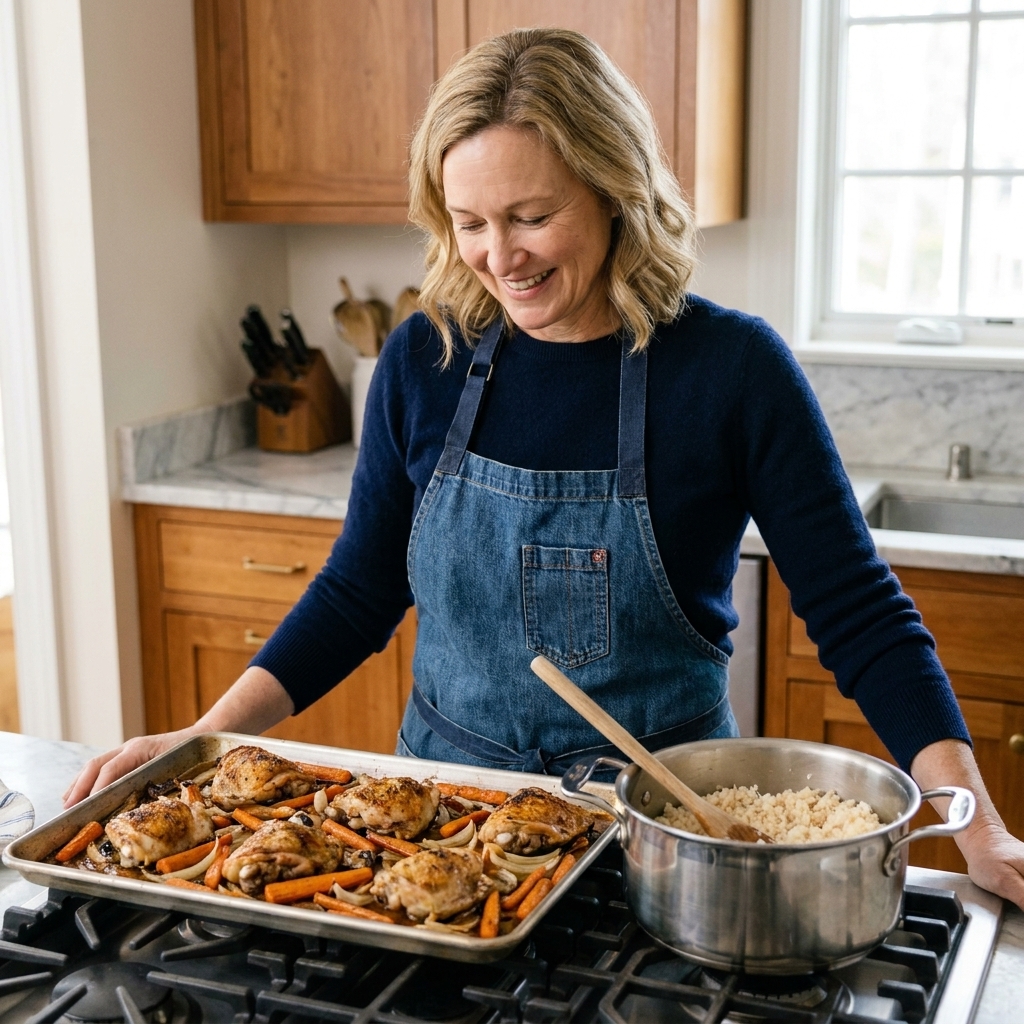
This is my go-to flow when I want a week that feels handled. If it is your first time, give yourself closer to 2.5 hours, and know it gets faster once you learn your rhythm.
0:00 to 0:10 Set up
- Put on rice (or start the slow cooker).
- Preheat oven to 425°F.
- Line a sheet pan for easy cleanup.
0:10 to 0:40 Cook the anchor protein
Sheet pan chicken thighs: Pat dry, season with salt, pepper, garlic powder, and paprika (or whatever you have). Roast 30 to 35 minutes, or until the thickest piece hits 165°F internally.
No chicken this week? Hard-boil 8 to 10 eggs and cook a big pot of lentils instead.
0:40 to 1:10 Roast vegetables
Roast carrots and onions (and cabbage wedges if you like). Frozen veggies can be sautéed quickly or microwaved and seasoned for easy lunches.
1:10 to 1:30 Cook a sauce base
Lentil tomato skillet: Sauté onion, add cooked lentils, add pasta sauce or canned tomatoes, simmer. This becomes dinner bowls, wraps, or stuffed potatoes.
1:30 to 2:00 Portion
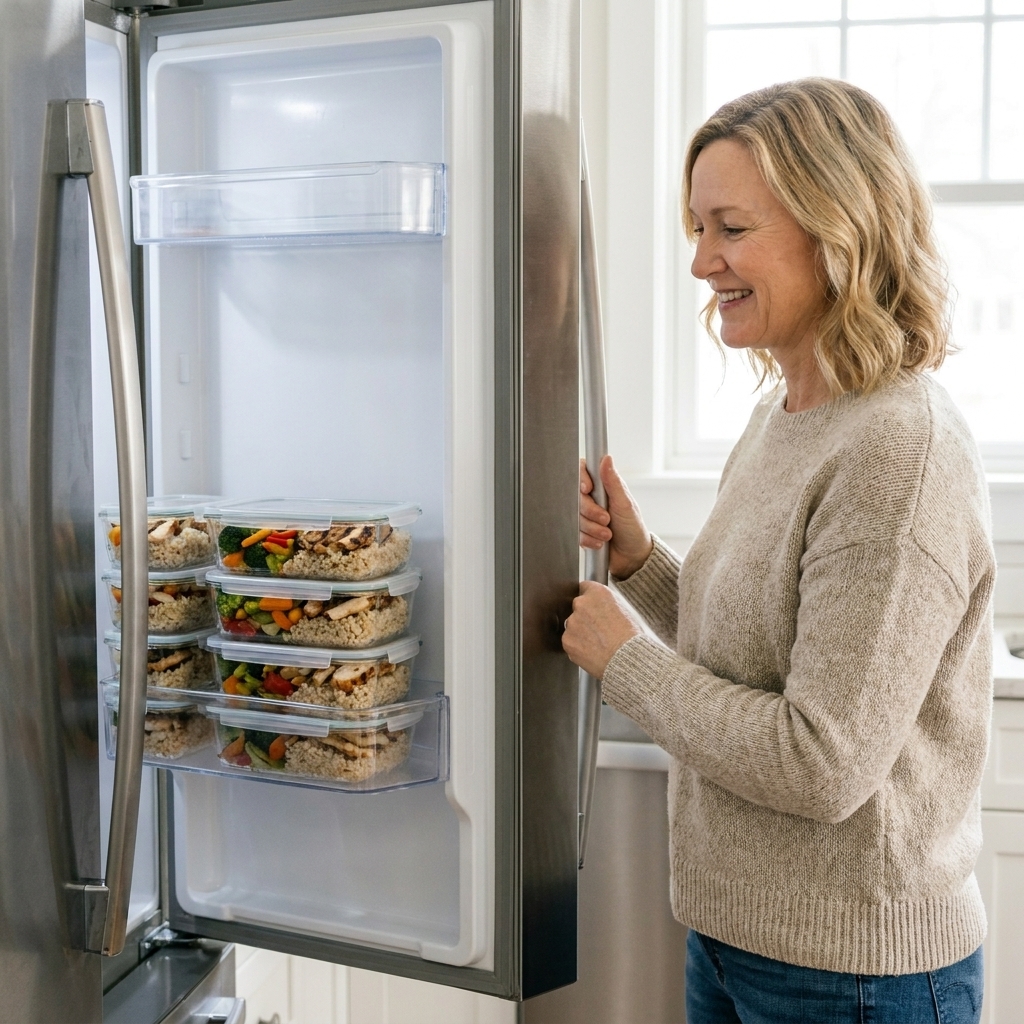
- Portion 3 to 4 lunch containers: rice + frozen veggies + chicken (add salsa after reheating).
- Store chicken and rice separately if you prefer fresher texture.
- Make 2 flex dinners that reheat well (lentil tomato bowls, cabbage stir-fry).
- Set breakfast items where you will see them.
Staple recipes
These are intentionally simple. You can dress them up with whatever you already have: hot sauce, soy sauce packets, shredded cheese, a lemon, ranch seasoning, leftover pickles. No shame. Use the drawer gold.
1) Overnight oats (5 breakfasts)
- 1/2 cup oats
- 1/2 cup milk or water
- 1/3 cup yogurt (optional)
- 1 banana, sliced
- Pinch of cinnamon or peanut butter if you have it
Make 2 to 3 at a time so you do not get sick of them. Oats are loyal like that.
2) Egg fried rice (2 dinners or lunches)
- Cooked rice
- Frozen mixed vegetables
- 2 eggs
- Soy sauce (or salt and pepper)
Pro tip: day-old rice fries better. This is why meal prep is basically cheating.
3) Salsa chicken rice bowls (3 to 4 lunches)
- Rice
- Chicken
- Frozen veggies or shredded cabbage
- Salsa on top
Add crunch with cabbage. Add richness with a fried egg. Both are budget-friendly upgrades.
4) Lentil bolognese (3 dinners)
- Cooked lentils
- Pasta sauce or canned tomatoes
- Onion, garlic powder, Italian seasoning (optional)
- Serve over pasta, rice, or baked potatoes
This one is a debt-payoff classic. It is filling, cheap, and reheats beautifully.
5) Cabbage skillet stir-fry (2 dinners)
- Shredded cabbage
- Onion
- Frozen veggies (optional)
- Egg scrambled in
- Soy sauce, salt, or a splash of salsa
Cabbage is the unsung hero of the $50 week. It stays crisp, stretches forever, and works in bowls and wraps.
Portion without waste
Early-week vs late-week
- Early week (first 3 days): spinach, fresh fruit, anything delicate
- Late week (days 4 to 7): cabbage, carrots, onions, frozen veggies, rice bowls, lentils
Keep it modular
If you store everything as fully assembled meals, you might hate your life by Thursday. Try this instead:
- Protein in one container
- Carb in one container
- Veggies in one container
- Flavor boosters separate (salsa, sauce)
Same ingredients, different combinations, less boredom.
Label 2 emergency meals
I like to earmark two portions as my “I am too tired to think” meals. Put them front and center in the fridge. Those are the ones that prevent expensive choices.
Storage and food safety
- Refrigerate promptly: Get cooked food into the fridge within about 2 hours (within 1 hour if it is very hot out).
- Cool briefly, then seal: Let hot rice and chicken cool just enough to stop steaming like crazy, then pack and refrigerate. Do not leave food at room temperature for an extended time.
- Fridge window: Refrigerated leftovers are typically safe for 3 to 4 days. If you prep a full week, freeze a few portions on day one.
- Freeze smart: Rice bowls, lentil dishes, and cooked chicken freeze well. Add fresh toppings after reheating.
- Reheat thoroughly: Heat until steaming hot, stirring halfway for even warming.
Common problems
My total ends up at $65
- Swap one meat meal for lentils or beans.
- Buy frozen vegetables instead of fresh for the week.
- Skip drinks, snacks, and desserts for one week and see how much that frees up.
- Shop one store consistently and learn its cheapest staples.
I quit by Wednesday
- Cook one protein but use two flavors: half with salsa, half with a simple garlic seasoning.
- Change the format: bowls one day, wraps the next, fried rice the next.
- Keep a fun $2 item: tortillas, a different sauce, or one bag of chips for crunch.
Meal prep takes too long
- Pick one cooking method per week (sheet pan, slow cooker, or one-pot).
- Use frozen veg and pre-minced garlic if it helps you stick with the plan.
- Prep only lunches, not every single dinner. Progress counts.
I live alone and food goes bad
- Freeze half of what you cook on day one.
- Buy smaller amounts of perishables and rely more on cabbage, carrots, onions, and frozen produce.
- Plan 1 leftover night and 1 breakfast-for-dinner night.
Sample 7-day menu
Use this as inspiration, not a rigid script.
Breakfasts
- Overnight oats with banana (4 days)
- Eggs and toast or rice (3 days)
Lunches
- Salsa chicken rice bowls with veggies (3 to 4 days)
- Lentil tomato bowl over rice (1 to 2 days)
Dinners
- Sheet pan chicken with roasted carrots and rice (2 nights)
- Lentil bolognese over pasta or rice (2 to 3 nights)
- Egg fried rice with frozen veggies (1 to 2 nights)
- Cabbage skillet stir-fry with egg (1 night)
If you want a built-in treat night, plan it. The most frugal choice is the one you can maintain without feeling deprived.
Frugal upgrades
- Use what you already own: packets of soy sauce, leftover Parmesan, half a jar of peanut butter
- Protein + fiber + produce: if a meal feels skimpy, add lentils, cabbage, or frozen veg first. It is the cheapest “make it healthier” button I know.
- Build a $1 spice strategy: garlic powder and chili powder do a lot of work
- Save veggie scraps: freeze onion ends and carrot peels for homemade broth later
- Cook once, eat twice: bake extra potatoes while the oven is hot
FAQ
Is $50 a week for groceries healthy?
It can be, especially if you prioritize basics like oats, rice, beans or lentils, eggs, frozen vegetables, and a few fruits and veggies that keep well. The “healthy” part comes from consistency and balance, not expensive specialty items.
What if I cannot afford meat this week?
Lean on eggs, lentils, beans, and peanut butter. A rice-and-beans base with sautéed cabbage and an egg on top is filling and inexpensive.
How often should I meal prep?
Once is enough for many people, but a mini reset midweek (10 minutes to cook rice or chop cabbage) can keep things fresh. If you are new, start with prepping just lunches.
Where should I shop for a $50 budget?
Discount grocers, Aldi, Walmart, and ethnic markets often have strong prices on staples. But the best store is the one where you can reliably buy your go-to basics without impulse spending.
Your next $50 week
If you are feeling overwhelmed, here is your one small win for today: pick one anchor meal (like salsa chicken bowls or lentil bolognese) and build your grocery list around it. A $50 budget works when your cart has a purpose.
You are not failing because money is tight. You are learning a skill. And once you can feed yourself well on $50, everything else in your budget gets a little more breathing room.