I used to grab whatever brand I recognized because it felt “safer.” Then I started zero-based budgeting while digging out of debt, and I realized something fast: a lot of those recognizable boxes were eating my grocery budget alive, and many of them tasted exactly the same as the store brand.
But not all generics are created equal. Some are a total win. Others are the reason people swear off store brands forever.
So let’s do this the Frugal Folio way: no shame, no snobbery, and no sweeping statements like “generic is always fine.” I’m going to show you which store brand groceries are almost always worth buying, which ones are worth a name-brand splurge, and how to decide for your own household.
Quick note: “Store brand” can mean a few different tiers, even within the same retailer. Many stores have a value line, a standard private label, and a premium in-house line. Your results may vary based on which tier you grab.
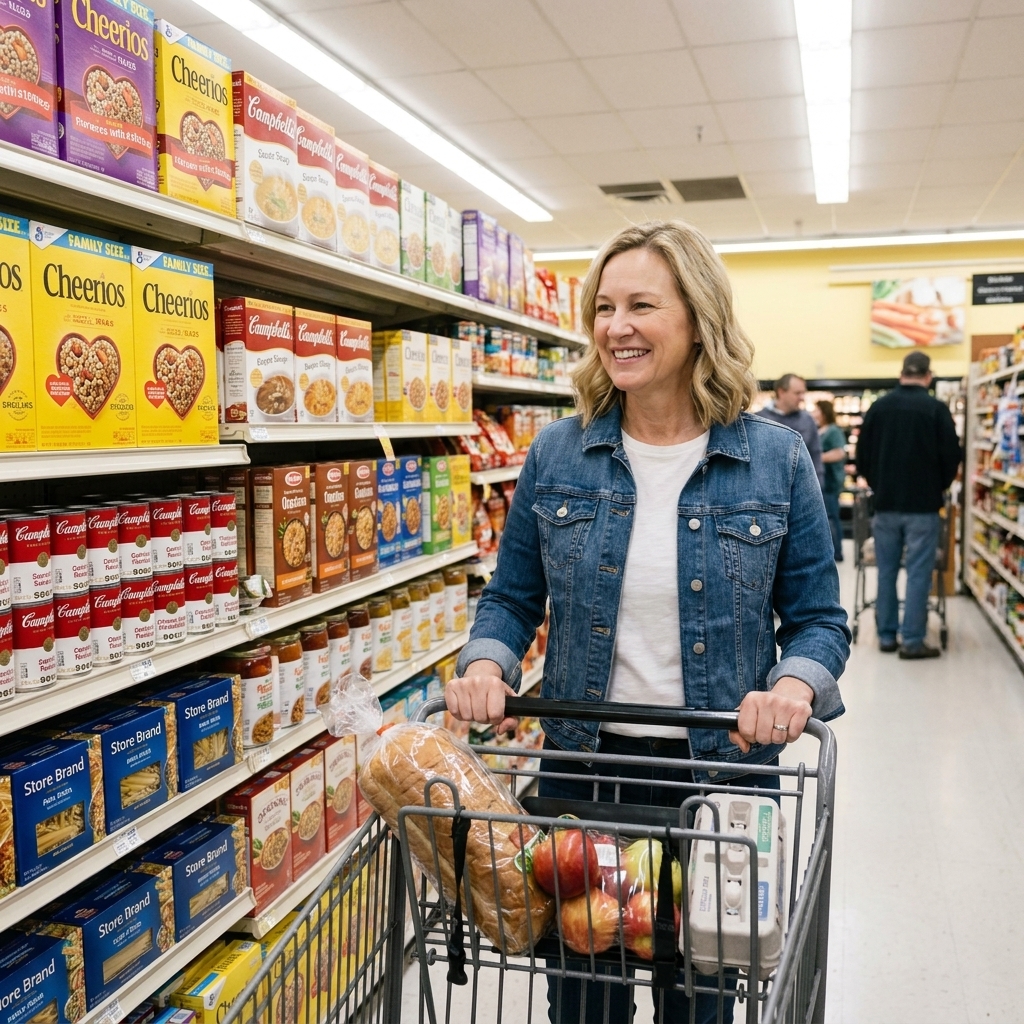
Why store brands can cost less
Store brands are often produced by large manufacturers or regional suppliers that also make other familiar products, sometimes even national brands. But it is not universal, and it can vary by category, retailer, and region.
Price differences usually come from skipping or reducing:
- National advertising (TV, influencers, huge campaigns)
- Brand recognition (the comfort of a familiar label)
- Packaging extras (fancier boxes, inserts, specialty shapes)
- Distribution and slotting fees (getting prime shelf space)
Sometimes the recipe really is very close. Other times, the differences are meaningful: ingredient sourcing, flavor balance, texture, freshness, and quality control specs can all change what you get. The trick is knowing when the lower price also means no meaningful difference for how you use it, and when it does.
My rule: save on ingredients
If you only remember one thing, make it this:
Buy store brand for basic ingredients and commodities. Consider name brand for foods where texture, freshness, or a signature flavor is the whole point.
“Commodity” groceries are things like flour, sugar, frozen vegetables, beans, and milk. “Experience” groceries are things like soda, certain cereals, chips, and a few sauces where the brand’s flavor is what you are paying for.
Store brand wins
These are the categories where I save consistently, and I rarely regret it.
1) Baking basics
For most everyday baking, store brand all the way. A cookie recipe usually cannot “tell” whether your granulated sugar had a famous logo on the bag.
- Buy store brand: all-purpose flour, white sugar, brown sugar, powdered sugar, baking soda, baking powder, table salt
- Possible splurge: specialty flours (bread flour for serious bakers, gluten-free blends, cake flour), flaky finishing salt
2) Canned tomatoes
Store brand canned tomatoes, sauce, and paste are typically great for chili, pasta sauce, soups, and casseroles.
- Buy store brand: diced tomatoes, crushed tomatoes, tomato sauce, tomato paste
- Possible splurge: if you make a simple sauce where tomatoes are the star, try one nicer brand and see if your family actually notices
3) Beans, lentils, and rice
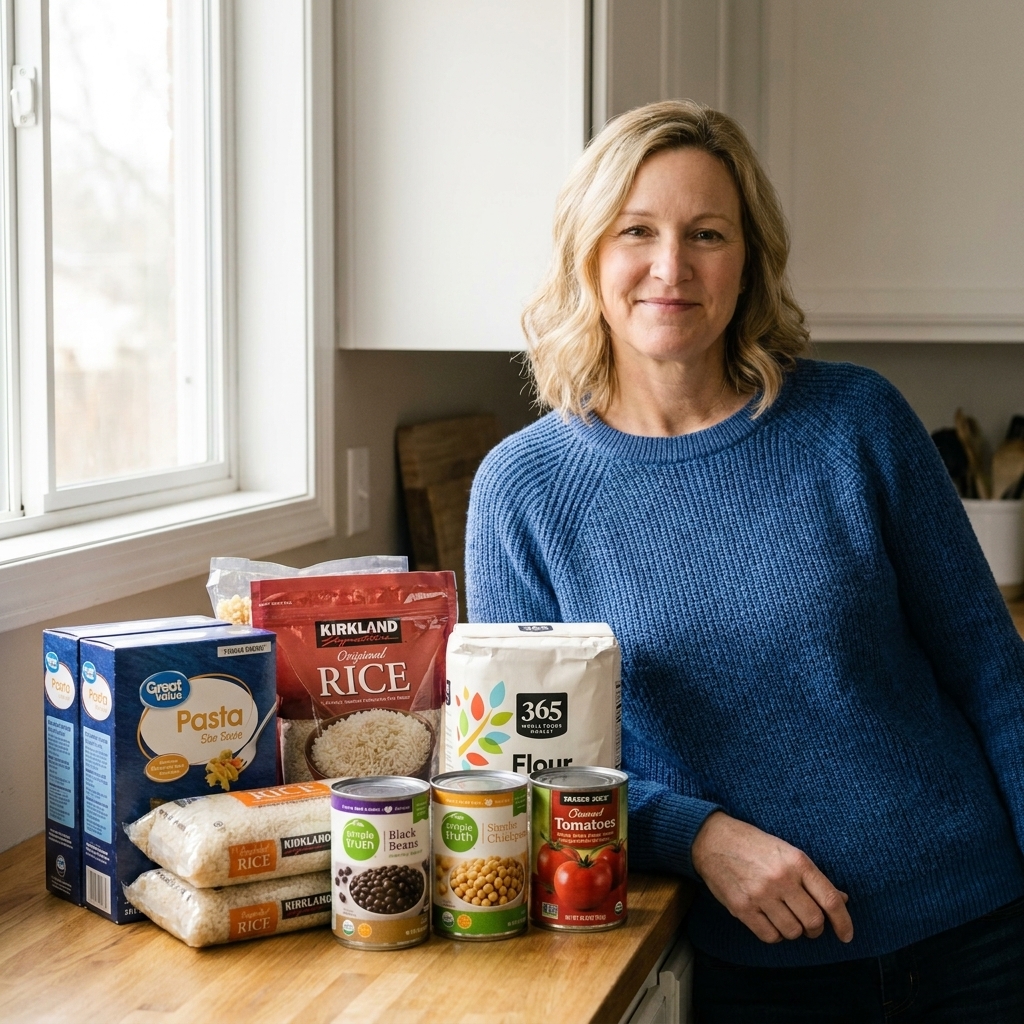
Dry beans and rice are some of the easiest savings in the store. They are pantry workhorses and store brands tend to be consistent.
- Buy store brand: black beans, pinto beans, chickpeas, lentils, long-grain rice
- Possible splurge: specialty rice (jasmine, basmati) if you are picky about aroma and texture
4) Frozen fruits and vegetables
Frozen produce is my “frugal security blanket.” It reduces waste and makes weeknight cooking so much easier. Store brand frozen veggies are usually a slam dunk.
- Buy store brand: broccoli florets, peas, corn, mixed vegetables, spinach
- Watch for: excessive ice crystals or lots of tiny broken pieces, which can happen if a bag thawed and refroze during shipping
- Worth testing: steam-in-bag and seasoned blends. Some are great, others can be watery or oddly salty
5) Dairy basics
Dairy is regulated and standardized in many places (for example, pasteurization rules and labeling standards), which helps with baseline safety and consistency. But regulation does not guarantee identical taste, freshness, or how well something performs in your coffee or on toast.
- Buy store brand: milk, butter for baking, sour cream, cottage cheese
- Possible splurge: specialty items like grass-fed butter, artisanal yogurt, or premium ice cream when it is a planned treat
6) Eggs
If you are buying standard eggs, store brand is typically fine. If you are choosing based on farming practices, that is a values-based decision, not a “generic vs. name brand” issue.
7) Spices and seasoning blends (with one caveat)
Store brand spices can save a surprising amount. The caveat is freshness: if a spice sits in your cabinet for three years, paying extra did not help anyway.
- Buy store brand: cinnamon, garlic powder, onion powder, chili powder, Italian seasoning
- Possible splurge: spices you use heavily (like smoked paprika or cinnamon) if you notice a real aroma difference
8) Peanut butter (usually)
For classic peanut butter sandwiches, store brand is often just as good. Compare the label and choose what fits your preferences.
- Tip: if you like “natural” peanut butter (peanuts and salt), store brands often have great versions that cost less
9) Pasta and basic noodles
Store brand pasta is typically a safe swap. If you do love a very specific texture, that is where you test.
- Buy store brand: spaghetti, penne, rotini, elbow macaroni
- Possible splurge: specialty bronze-cut pasta if pasta night is a highlight in your home
10) Oils, vinegar, and broth
These are classic “ingredient” categories where store brand usually shines.
- Buy store brand: vegetable oil, canola oil, white vinegar, apple cider vinegar, basic chicken or vegetable broth
- Possible splurge: extra-virgin olive oil if you use it as a finishing oil or for dipping bread. Flavor differences show up fast
11) Canned tuna and salmon
Store brand canned fish can be a great value, especially if you are mixing it into salads, casseroles, or tuna melts.
- Buy store brand: chunk light tuna for tuna salad, canned salmon for patties
- Possible splurge: if you eat it plain, texture matters more. Try a couple brands and stick with the one you actually enjoy
Name brand often wins
I am not here to take away anyone’s favorite cereal or sauce. Some products really do have a signature flavor, texture, or performance. Here are the categories where I see the biggest difference most often.
1) Soda and flavored drinks
People have strong opinions about cola, and I respect that. If store brand soda leaves you feeling disappointed, it is okay to budget for the real deal and save elsewhere.
2) Cereal (especially the fun kinds)
Store brand cereal can be great for basics like toasted oats or bran flakes. The super specific sweet cereals, though, are where store brands can taste a little “off” or go stale faster.
- Frugal compromise: buy name brand cereal only on sale, or mix half name brand with half generic toasted oats to stretch it
3) Ketchup, mayo, and signature condiments
Some condiments are basically a household identity. If your family can instantly tell the difference in ketchup or mayo, the name brand may be worth it because you use it often and it can prevent food waste.
- Try store brand first: mustard, relish, hot sauce (many store brands are excellent)
4) Salad dressing
Store brands vary wildly here. Some are great. Others taste flat or overly sweet. If salad night keeps you eating vegetables, the dressing that makes you actually want the salad is the budget-friendly choice in the long run.
5) Coffee
This is personal. If coffee is your daily comfort, you might prefer a name brand or a specific roast. I still recommend trying a store’s in-house roast or store brand whole beans if available, because it can be a strong value.
6) Bread (when freshness is the difference)
Some store brand breads are perfect. Others get dry quickly. If you are consistently tossing half a loaf, it is worth paying a bit more for bread that stays fresh longer, or switching to a different format like tortillas or English muffins.
7) Baby formula and medical foods
This category is not the place to experiment casually. In the U.S., both national brands and store brands must meet FDA nutrient requirements, but tolerances, ingredients, and what a baby does well on can still differ.
If you are considering switching formula, talk with your pediatrician, especially for allergies, reflux, or any medically necessary nutrition. Also keep availability in mind. If a formula is hard to find in your area, consistency may matter more than price.
The it-depends aisle
These categories can be either a big win or a big disappointment depending on the store brand, the tier (value vs premium), your taste, and how you use the item.
Yogurt
Plain and Greek yogurt store brands are often great. Flavored cups can be hit-or-miss on sweetness and texture.
Cheese
Block cheese is usually a safer bet than pre-shredded (for any brand), because it melts better and does not rely as much on anti-caking agents.
- Frugal move: buy store brand blocks and shred them at home
Ice cream
Some store brands are amazing. Some feel icy. If dessert is an occasional treat, buying the one you truly love can keep you from “taste-testing” three mediocre tubs.
Frozen pizza
Quality varies a lot. This is a perfect category for a one-time taste test night so you can choose your best value going forward.
Snack foods
Chips, crackers, and cookies are where people notice differences in salt level, crunch, and seasoning. Also, snacks are easy to overbuy when they are cheap.
- My approach: store brand for basics (pretzels, saltines), name brand for one or two “favorite” snacks you plan for
My 6-step generic test
If you want a system that works in any store, here is the one I used while paying off debt.
Step 1: Compare unit price
Look at the shelf tag for cost per ounce, per pound, or per count. A “cheaper” item can actually cost more per unit, especially with sales and odd package sizes.
Step 2: Read the ingredient list (then the nutrition panel)
Matching first ingredients can be a clue that two products are similar, but it is not a guarantee. Percentages, processing, and the small stuff (like thickeners, flavors, and preservatives) can change taste and texture.
Also check the nutrition panel for added sugars and sodium, especially with sauces, cereals, and snacks.
Step 3: Start simple
Store brand plain oats are usually great. Store brand cinnamon-sugar dinosaur-shaped cereal might be less predictable. Test the simple stuff first.
Step 4: Do a hidden swap taste test
If you live with picky eaters, try a quiet swap and see if anyone notices. If nobody comments for a week, congratulations, you just found an easy recurring savings.
Step 5: Splurge where it prevents waste
If the cheaper version makes you avoid eating the food, you did not save money. You just bought something that sits. Spend more on the item that helps you actually use the groceries you buy.
Step 6: Re-test once a year
Store brand recipes change. Name brand formulas change too. If you tried a store brand five years ago and hated it, it might be better now.
Aisle cheat sheet
If you want the quick version for your next grocery run, here is my general guide.
Usually buy store brand
- Flour, sugar, baking soda/powder, salt
- Canned beans and canned tomatoes
- Dry rice, oats, pasta
- Frozen vegetables and frozen fruit (plain bags)
- Milk, butter (for baking), sour cream, cottage cheese
- Eggs
- Most basic spices
- Cooking oil, vinegar, basic broth
- Canned tuna or salmon (especially for mixing into recipes)
Often worth name brand
- Soda and sports drinks
- Fun cereals
- Ketchup and mayo (if your household is loyal)
- Some salad dressings
- Coffee (if you care about flavor and freshness)
- Bread (if store brand goes stale fast)
Test and decide
- Yogurt (plain and Greek are often safe, flavored varies)
- Cheese (block vs shredded matters more than brand)
- Ice cream
- Frozen pizza
- Chips, crackers, cookies
- Boxed mac and cheese
- Frozen seasoned vegetables and steam bags

Smart splurging
If you have a few name brand ride-or-dies, you do not have to give them up to be frugal. You just need a plan.
Pick your top 3
Maybe it is ketchup, coffee, and your favorite cereal. Great. Put those three items in the budget on purpose, and swap the rest.
Stock up on real deals
Name brands run in cycles. When your favorite hits a great sale, buy enough for a few weeks (within reason and storage space).
Use store brand as an extender
Mix half name brand granola with half store brand oats. Use name brand pasta sauce and add a can of store brand crushed tomatoes. Small changes can cut the cost per serving without sacrificing the flavor you love.
FAQ
Are store brands really the same as name brands?
Sometimes. Store brands are often made by large manufacturers or regional suppliers, and some products are very close to national brands. But recipes, sourcing, and quality standards can differ. Treat it as a product-by-product decision, not a belief system.
Why do some generic items taste off?
Small differences add up, especially in foods where the flavor is the whole point. Sweetness level, salt level, spices, fats, and texture stabilizers can change the experience.
What is the fastest way to cut my grocery bill with store brands?
Start with commodities you buy all the time: store brand oats, rice, pasta, canned beans, canned tomatoes, frozen vegetables, milk, eggs, and baking basics. Those swaps usually save money immediately without creating dinner-table drama.
Is it okay to buy name brand if I am trying to be frugal?
Absolutely. Frugality is intentional spending. If a name brand item genuinely improves your quality of life and you are staying within your budget, that is a frugal choice. The goal is financial peace, not punishment.
My bottom line
Store brands are one of the easiest, most reliable ways to free up money in your budget without changing your whole lifestyle. Start with ingredients and everyday staples, be honest about the few products where the brand matters to you, and let your budget reflect your real life.
If you want a fun challenge, try swapping just five items to store brand on your next trip and track what you save. That small win adds up faster than you think.