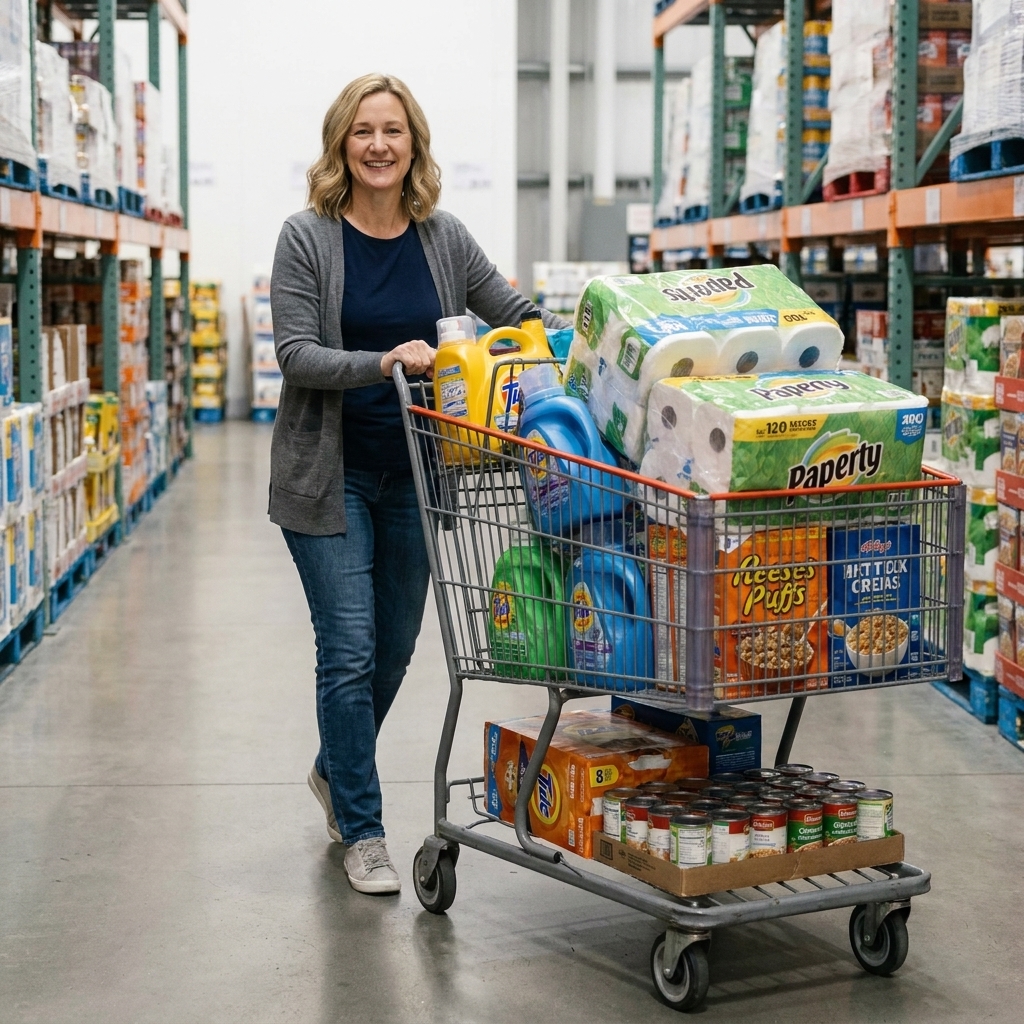
I used to treat warehouse clubs like a frugal amusement park. Big carts, big samples, big savings… right?
Here is the truth I learned the expensive way while paying off $45,000 of debt: buying in bulk only saves money when you actually use the item before it expires, you have a plan for storing it, and the price per unit is genuinely lower than your regular store. Otherwise, bulk becomes the sneakiest kind of overspending because it feels responsible while quietly draining your budget.
This breakdown will help you decide when bulk is a win, when retail is smarter, and how to run quick math checks without turning grocery day into a spreadsheet marathon.
Bulk savings come down to 5 questions
Any time you are holding a jumbo pack and thinking, “This is a deal,” pause and run through these:
- Unit price: Is the price per ounce, per sheet, per count, or per use actually lower?
- Consumption speed: Will you use it up before it goes bad, gets stale, or expires?
- Storage cost: Do you have space that is clean, dry, and pest-safe, or will it become clutter you resent?
- Cash flow: Can your budget handle paying more today to save a little later (for example, $18 today to save $4 over the next two months)?
- Flexibility: If you stop liking it or your needs change, are you stuck with 96 of them?
If bulk fails even one of these, it is not automatically a no, but it is a yellow flag.
How to compare prices fast
1) Use unit price, not package price
Warehouse clubs are masters at making the big number look good. The only number that matters is the smallest one on the shelf tag: price per unit.
- Toilet paper: compare price per sheet
- Detergent: compare price per load
- Trash bags: compare price per bag
- Olive oil, peanut butter, oats: compare price per ounce
One quick caution: make sure you are comparing the same units. One store might list “per ounce” while another lists “per pound.” Paper goods might be “per 100 sheets,” not per sheet. If the units do not match, the comparison is not real.
2) Try a simple per-use example
If you want a no-stress way to check value, do this:
- Bulk detergent: $19.99 for 146 loads = about 14 cents per load
- Regular store detergent: $12.99 for 80 loads = about 16 cents per load
That is a real savings, but only if you actually measure and get the loads the label claims. If you free-pour and burn through it faster, your “deal” disappears.
3) Watch for bigger that is not cheaper
Sometimes the warehouse size is basically the regular store size plus a little extra, priced up like it is a premium product. This happens a lot with:
- Spices and seasonings
- Protein bars and snack packs
- Brand-name drinks
4) Compare to your real alternative
If you normally buy the store brand at Target or Aldi, compare bulk pricing to that, not to the fanciest organic option at your regular grocery store. Bulk can still win, but it needs to beat your baseline to be a real savings.
5) Factor in sales and coupons
Your regular store’s loss-leader sale can beat bulk pricing, especially for snacks, cereal, soda, and personal care. If you already stock up during sales, compare bulk to your sale price, not the everyday shelf price.
Best bulk buys (for most households)
These are the categories that tend to be both cheaper per unit and easy to use up with minimal waste. Consider this your “bulk first” list.
Paper goods you already buy
- Toilet paper
- Paper towels
- Tissues
- Napkins
Why they work: long shelf life, predictable use, minimal storage drama if you have a closet or under-bed space.
Trash bags and zipper bags
Trash bags are one of my favorite boring bulk wins. If you find a size you love, buying a big box can lower the price per bag and reduce those “oops, we ran out” emergency trips.
Laundry detergent and dish soap (when per use wins)
Look specifically for loads or uses on the label. A huge jug is only a bargain if you are not accidentally using more than the recommended amount.
OTC meds and basic health items you use regularly
- Allergy meds
- Ibuprofen or acetaminophen
- Vitamins you take daily
- Contact solution (if applicable)
Why they work: expiration dates are often far enough out to finish what you buy, and unit savings can be meaningful. Still, check the date on that bottle before you commit.
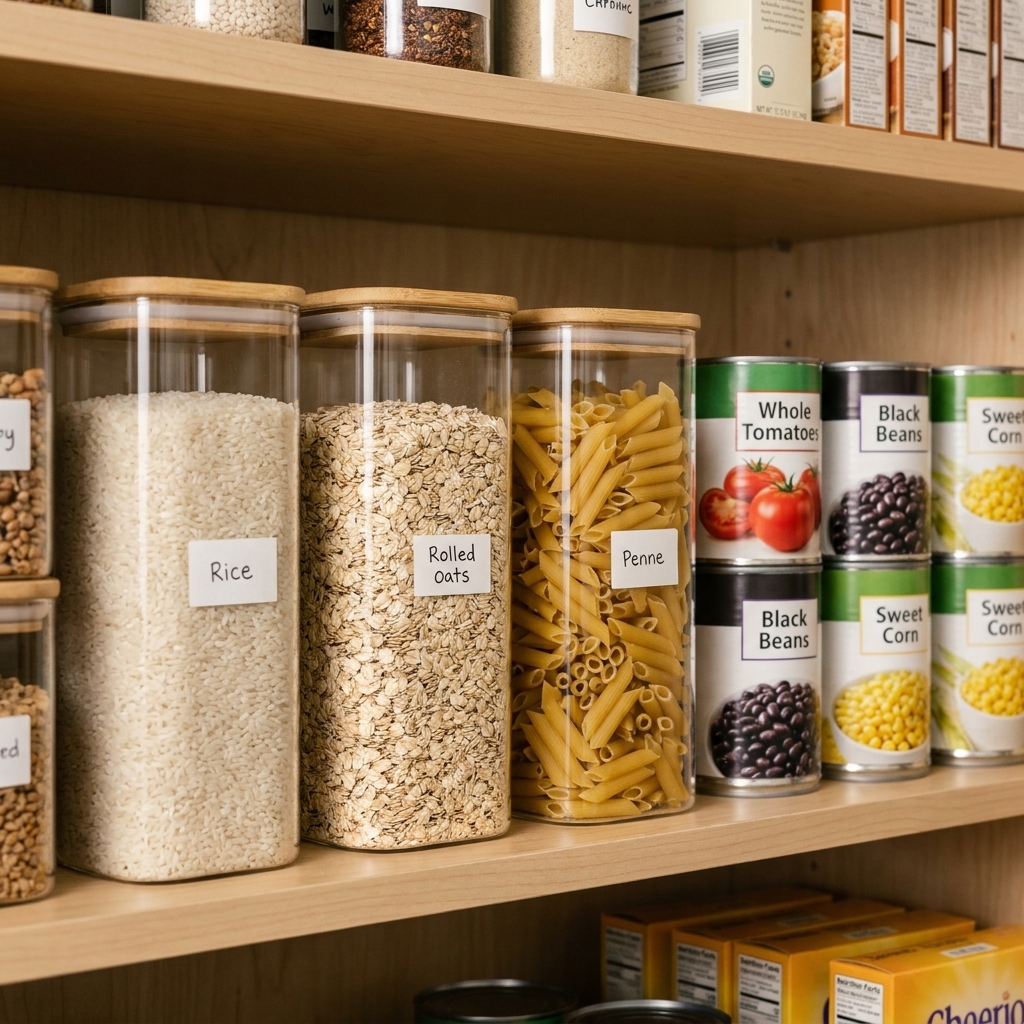
Pantry staples with long shelf life
- Rice
- Oats
- Flour (if you bake often)
- Pasta
- Canned goods
- Peanut butter
Tip from my “I learned this the hard way” era: only buy bulk flour and oats if you have airtight containers. Otherwise they can absorb odors, go stale, or attract pests.
Bulk buys that often waste money
These are the categories where I see the most budget regret. Not because they are never a deal, but because they are the easiest to overbuy and underuse.
Fresh produce for small households
If you have a big family that demolishes berries and salad greens, bulk produce can be amazing. If you are a one or two person household, it can turn into a compost donation.
Reality check: if you regularly throw away even 20 percent of the produce, the “deal” disappears fast.
Snack foods and sweets
This is a classic “cheap per ounce, expensive for the budget” category. Jumbo snacks can:
- Encourage faster eating because they are always available
- Go stale before you finish them
- Blow up your grocery budget in one swoop
If you want a compromise, buy bulk snacks only when you can portion them the same day into containers or freezer bags.
Condiments and sauces you rarely use
That two-pack of specialty sauce is a deal until you realize you only make that recipe twice a year. Condiments also take up prime fridge space, which can lead to more food waste overall because leftovers get buried.
Spices unless you cook constantly
Spices lose potency over time. Paying less per ounce is not a win if you end up needing more to get the same flavor later. For most people, smaller jars at a discount grocery store, international market, or store brand are a better value.
Skincare and beauty multipacks
If you have a holy grail product you use daily, bulk can be smart. But if you are still experimenting, multipacks lock you into a product that might not work for you. That is not frugal. That is expensive clutter.
Does the membership pay off?
Warehouse clubs can save you real money, but the membership fee changes the math. Here is a simple way to decide without overthinking it:
Step 1: Pick your top 10 repeat buys
Think toilet paper, detergent, trash bags, your go-to coffee, dog food, contact solution, diapers, or whatever is truly consistent in your house.
Step 2: Estimate monthly savings (roughly)
As a starting assumption, if you suspect you will save around $2 to $3 per item per month on a handful of staples, run the numbers using the lower end and see if it still works. Even better, price-check 3 to 5 items you buy all the time and use your real comparison prices.
Step 3: Make the fee earn its keep
If the membership is $60 a year, you need to save about $5 a month to break even. If you do not hit that, you can still shop there occasionally with a friend, or use a gift card where that is allowed.
My rule: If I cannot name at least 5 items I will buy monthly at a clear lower unit price, I do not renew.
Hidden costs that erase savings
Food waste (the biggest one)
If you buy $12 of fruit and throw away $4 of it, you did not save money. You paid $8 for what you ate plus the annoyance of cleaning out the fridge.
Impulse spending because the store is fun
Warehouse clubs often encourage browsing with endcaps, rotating seasonal aisles, and limited-time finds. The “savings” disappear if you consistently toss in:
- A seasonal item you did not plan for
- A new gadget that solves a problem you do not have
- A jumbo pack of treats you were not craving until you saw them
Go in with a list and a cap. I like a simple rule: one unplanned item max, and it must fit in my “fun money” category.
Storage clutter
When your home gets crowded with bulk, you often stop seeing what you already have, and then you buy duplicates. If bulk purchases make your pantry harder to manage, it is time to scale back.
Cash flow stress
It is okay if bulk is not right while you are building your emergency fund or digging out of debt. Paying retail in smaller amounts can be the healthier move if it keeps you from reaching for a credit card.
Return policies can change the risk
Some warehouse clubs have generous return policies, which can make bulk less risky if something does not work for your household. Policies vary by store and product category, so check the rules before you assume you can return an open package.
My bulk-smart rules
- Never buy bulk without a storage plan. If I do not know where it will live, it does not come home.
- Do not bulk-buy a new-to-you product. Try the small version first, then upgrade if you love it.
- Bulk only what you already use. Aspirational shopping is how pantries become museums.
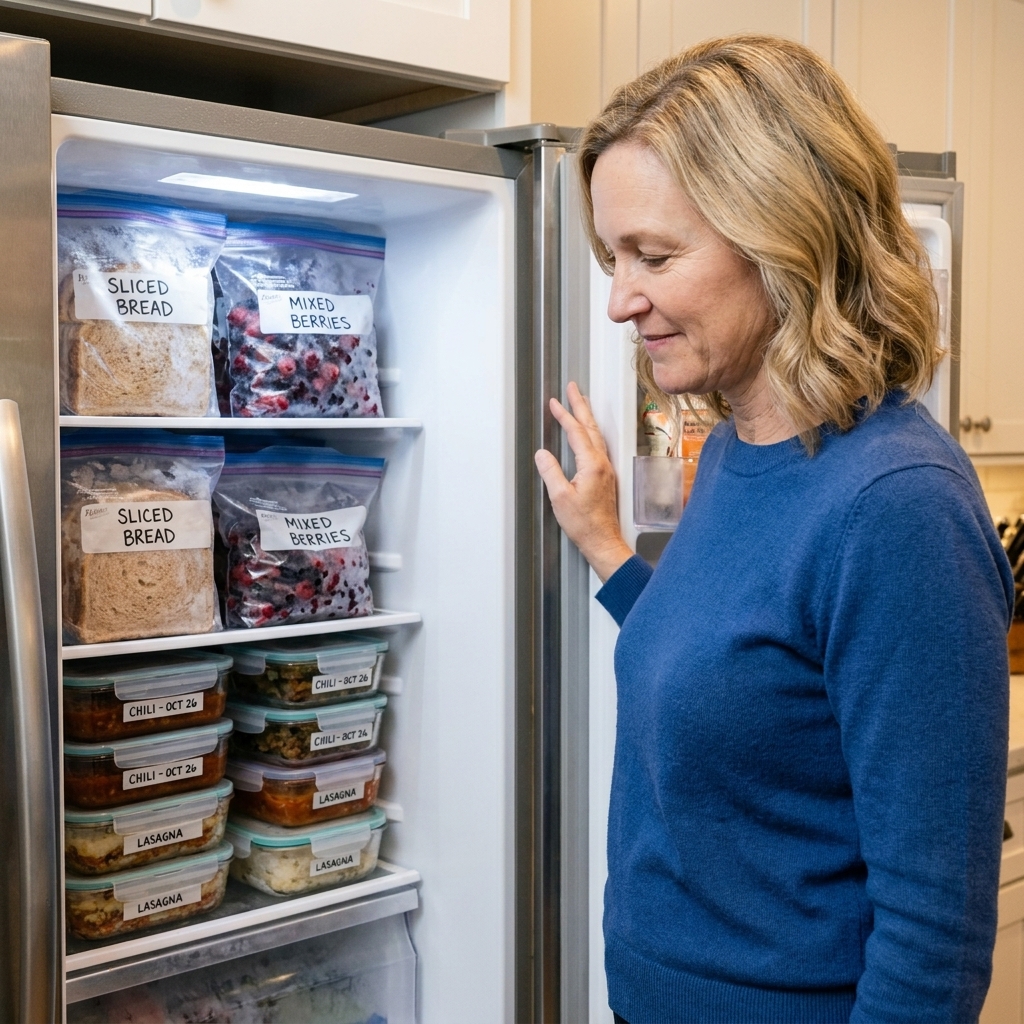
- Freeze strategically. If it freezes well, bulk gets easier. Think bread, shredded cheese, meat, berries, and even butter.
- Track one trip. If you are unsure, compare one warehouse receipt to what those items would have cost you at your normal store. Real numbers beat vibes.
Category cheat sheet
If you want the quick version, start here:
- Usually worth it: toilet paper, paper towels, trash bags, detergent (priced per load), dish soap, coffee you drink daily, rice, oats, pasta, canned staples, allergy meds
- Sometimes worth it: meat (if you portion and freeze), cheese (if you freeze or use quickly), eggs (if your household goes through them fast), diapers, pet food (if your pet tolerates it and you can store it safely)
- Often not worth it: giant snack packs, specialty sauces, most spices, trendy pantry items you are not sure you like, bulk produce for small households
FAQ
Is bulk shopping always cheaper?
No. Bulk is only cheaper when the unit price is lower and you actually use the product before it expires or goes stale. Bulk can be more expensive if it leads to waste or impulse purchases.
Are warehouse club store brands good?
Often, yes. For paper goods, pantry staples, and many household basics, store brands can be a sweet spot. The frugal move is to compare price per unit and buy the one you will use consistently.
What if I do not have space for bulk?
Then retail or smaller bulk is probably the better fit. Savings are not savings if your home feels chaotic. Focus on a few high-impact items that store easily, like trash bags, detergent, and medicine.
How can I bulk shop without overspending?
Go in with a short list of your repeat buys, set a total budget limit, and avoid browsing. If you love the treasure-hunt feeling, schedule it as an occasional fun trip with a strict “one extra item” rule.
The bottom line
Warehouse clubs can absolutely lower your costs, but the biggest savings come from buying bulk selectively, not buying bulk emotionally.
If you want a simple starting point, pick three categories you already use steadily (paper goods, trash bags, and detergent are great candidates), compare unit prices, and see how it impacts your budget for one month. Frugality is not about buying the biggest package. It is about buying what supports your life without adding stress.