
Toiletries are sneaky. You do not “splurge” on toothpaste, deodorant, and shampoo, but somehow the total is always more than you expected. When I was paying off $45,000 of debt on an admin salary, I learned the hard way that personal care is one of the easiest categories to overspend in because it feels non-negotiable.
Good news: you can cut your toiletries and personal care budget dramatically without resorting to questionable DIY experiments or feeling like you are depriving yourself. This guide will walk you through what actually works: drugstore deal strategy, rebate apps, store brand swaps, and a few safe DIY alternatives.
Start with a simple toiletries budget
If your budget line for toiletries is basically “whatever it costs,” it will always balloon. Toiletries are a perfect fit for a zero-based budget because you can plan for them like any other category.
Step 1: pull one month of receipts
Look for anything in these buckets:
- Hair care: shampoo, conditioner, styling products
- Oral care: toothpaste, floss, mouthwash, toothbrush heads
- Body care: soap, body wash, deodorant, lotion
- Shaving: razors, blades, shaving cream
- Skincare: cleanser, moisturizer, SPF, acne care
- Feminine care: pads, tampons, liners, cups, wipes
- Cosmetics (if you want it included here)
- Baby care (if relevant): wipes, diaper cream
Quick boundary tip: decide once whether things like makeup, fragrance, salon services, and hair tools (dryers, straighteners) live in “toiletries” or in a separate “beauty” line. Either way is fine, but mixing them month to month makes it hard to spot progress.
Step 2: pick a number you can stick to
A realistic starting point for some households can be $10 to $30 per person per month, but needs vary a lot. If you have curly-hair routines, sensitive-skin needs, acne care, or contact lens supplies, your baseline may be higher and that is normal.
If you are currently spending $60 per person, do not jump to $10 overnight. Cut it by 20% to 30% first, then tighten as your stockpile and habits improve.
Step 3: add a small buffer line
I like a separate mini line item called Personal care replacements (think: new tweezers, a broken hairbrush, a new loofah, travel-size toiletries for a trip). It keeps your main toiletries number from getting wrecked by random one-offs.
Do a use-first inventory
If you have ever found three half-used lotions and two open conditioners in the same bathroom, you are not alone. Before you chase deals, you need to know what you already own.
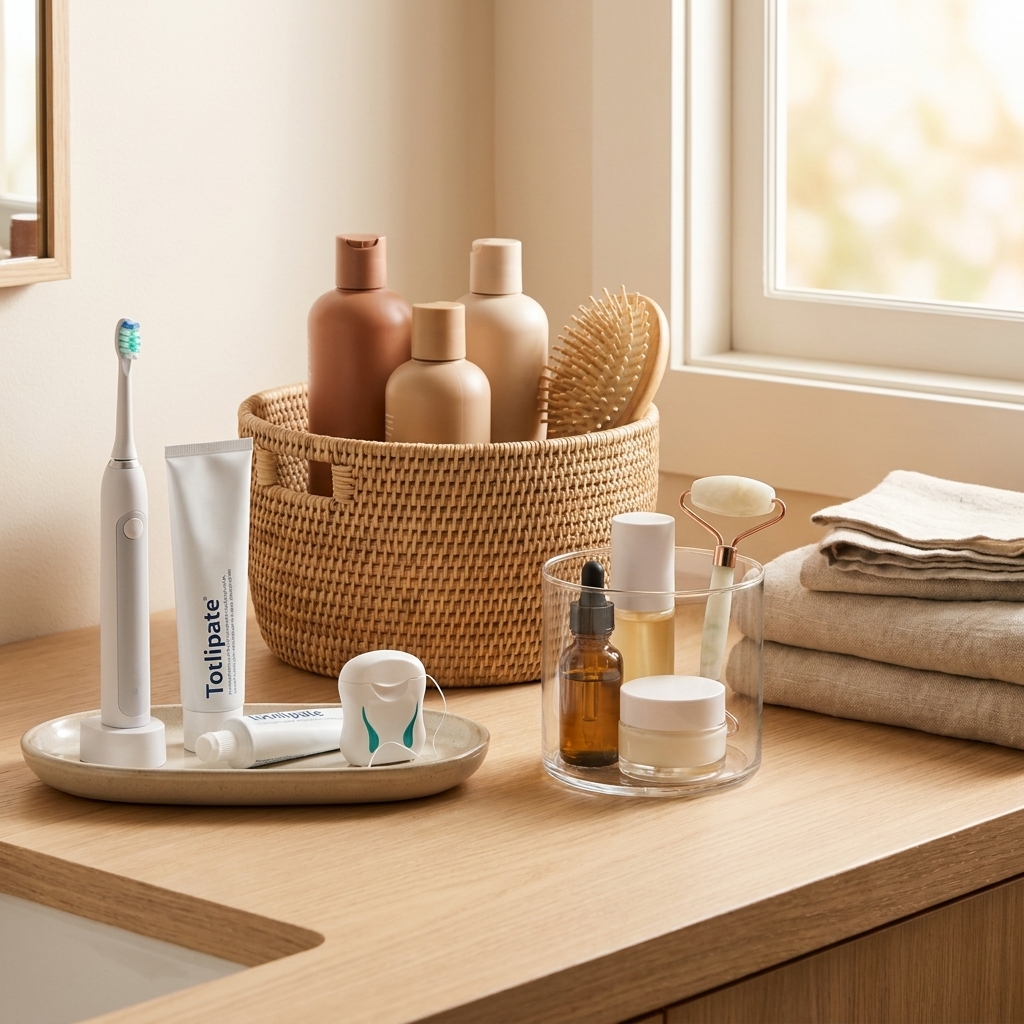
The 15-minute bathroom sweep
- Put everything into categories on the counter: hair, oral, body, skincare, shaving, feminine care
- Set aside anything you hate or that irritates your skin
- Write a short list of what you will actually use up in the next 30 days
- Decide your “one open at a time” rule for each category
This step alone can buy you a no-spend week or even a no-spend month on toiletries, which is one of the fastest ways to reset your budget.
Master the drugstore deal cycle
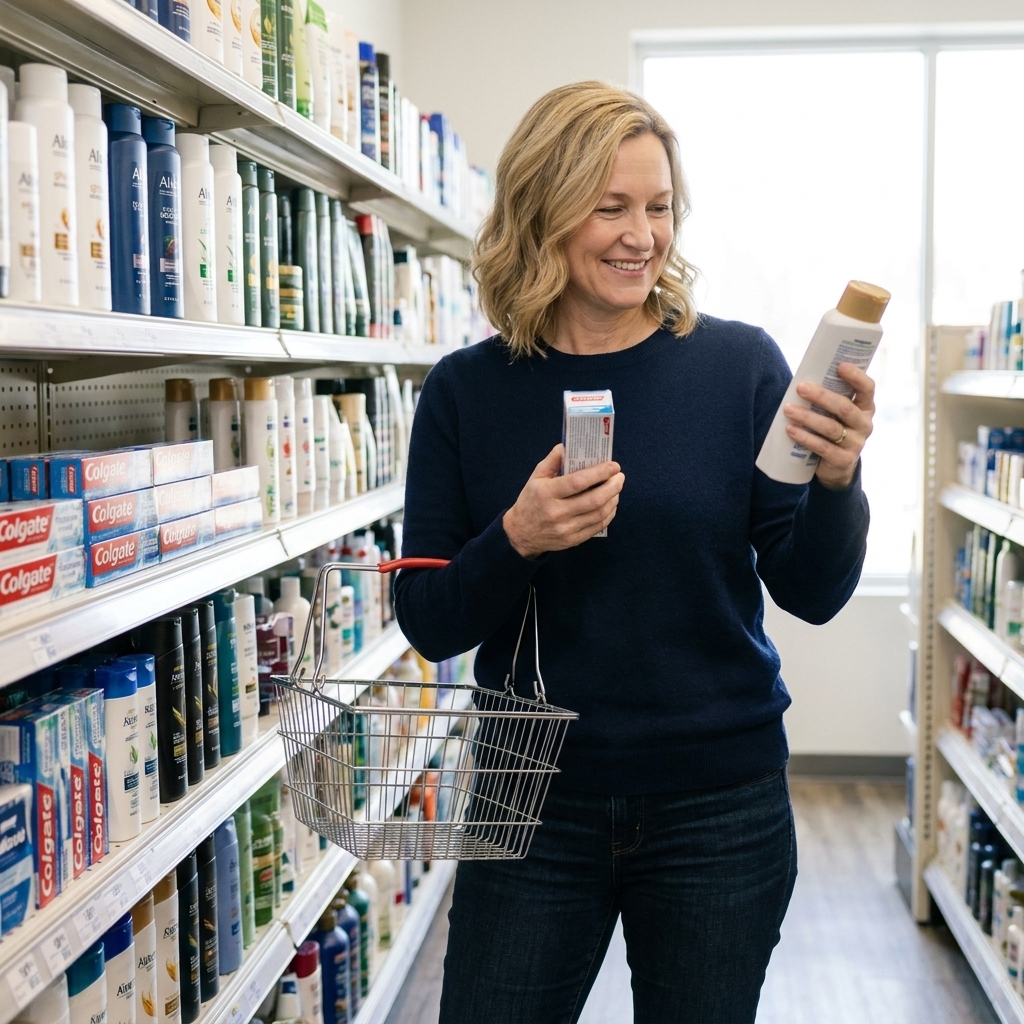
Drugstores can be either wildly overpriced or surprisingly cheap. The difference is whether you shop their promo cycles and stack discounts.
How drugstore deals usually work
- Weekly ads: rotating sales on specific brands
- Store rewards: points, cash-back, or “extra bucks” style coupons
- Digital coupons: loaded in the store app
- Manufacturer coupons: paper or printable, sometimes available in coupon apps
- Rebates: cash-back after purchase through rebate apps
Your goal is not to stack every time. Your goal is to stack when the item is already on sale. That is where the magic happens.
A simple stacking example
Here is what “stacking” can look like in real life:
- Toothpaste is on sale: 2 tubes for $6
- You clip a $2 digital coupon in the store app
- You submit a $1 rebate offer after purchase
Final cost: $3 for 2 tubes, or $1.50 each (before any store rewards). Not every trip will be this good, and that is fine. You are just watching for the weeks when your usual items line up.
A best-price rule that saves you from impulse buys
Before you buy, ask:
- Is this a true need in the next month, or am I buying because it is a deal?
- Is the price per ounce (or per count) better than the store brand alternative?
- Will I use it before it expires or before my preferences change?
As a former serial spender, I had to learn this the hard way: a deal is not a deal if it creates clutter and steals money from groceries.
Rebate apps: the receipt after-party
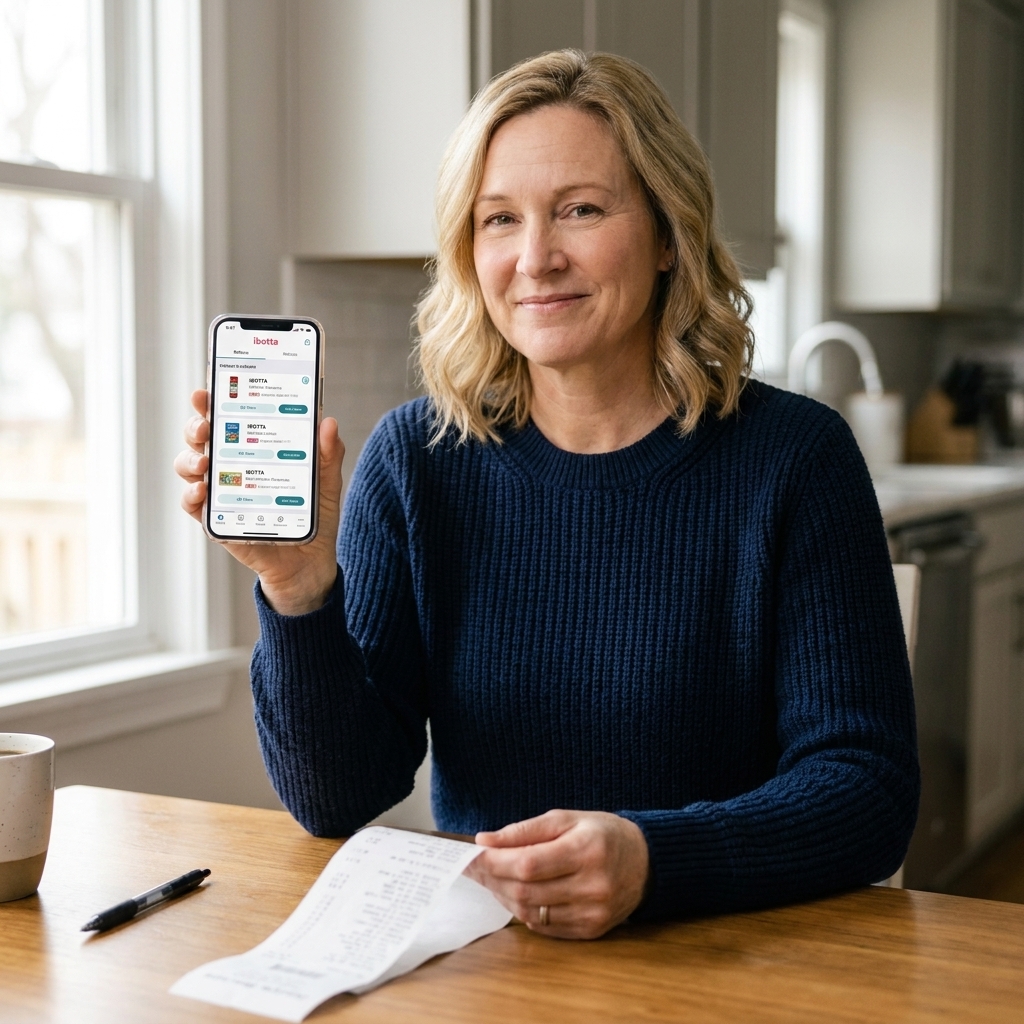
Rebate apps are one of my favorite ways to cut toiletries costs because you can earn cash back on items you already planned to buy. They work best when paired with store sales and coupons.
One caveat: offers vary by region and retailer, and they are often picky about the exact variety, size, or quantity. Always double-check the offer details before you head to checkout.
How to use rebates without extra spending
- Check rebates first and build your list from there
- Only add offers for items you already use
- Compare sizes carefully because offers are often size-specific
- Submit receipts the same day so you do not forget
- Cash out regularly and send it to savings or debt, not more shopping
One more tip: if you are trying to avoid brand hopping because of sensitive skin, stick to rebates on your trusted brands and ignore the rest. Saving money is not worth a breakout.
Strategic store brand swaps
I am not anti-name-brand. I am pro “paying name-brand prices only when it truly matters.” For a lot of toiletries, store brands are shockingly close.
Best categories to try as store brands
- Basics: cotton rounds, cotton swabs, tissues
- Oral care: floss picks, mouthwash, generic toothpaste with the same active ingredient
- Body care: bar soap, body wash, lotion
- Hair care: basic shampoo and conditioner if you do not need specialty formulas
- Feminine care: pads and liners (many people find these comparable)
When it may be worth paying more
- Sunscreen: if you found one you love and will actually wear daily, keep it
- Prescription skincare: follow your provider’s guidance
- Very specific hair needs: curly hair routines, medicated shampoos, color protection
A good compromise is to go store brand on the supporting cast items, then keep one or two main character products you genuinely love. Frugal is not the same thing as joyless.
DIY swaps that are safe
DIY can be fantastic, but I am picky here because personal care is personal. If something irritates your skin, toss it. No guilt.
Easy, low-risk DIY swaps
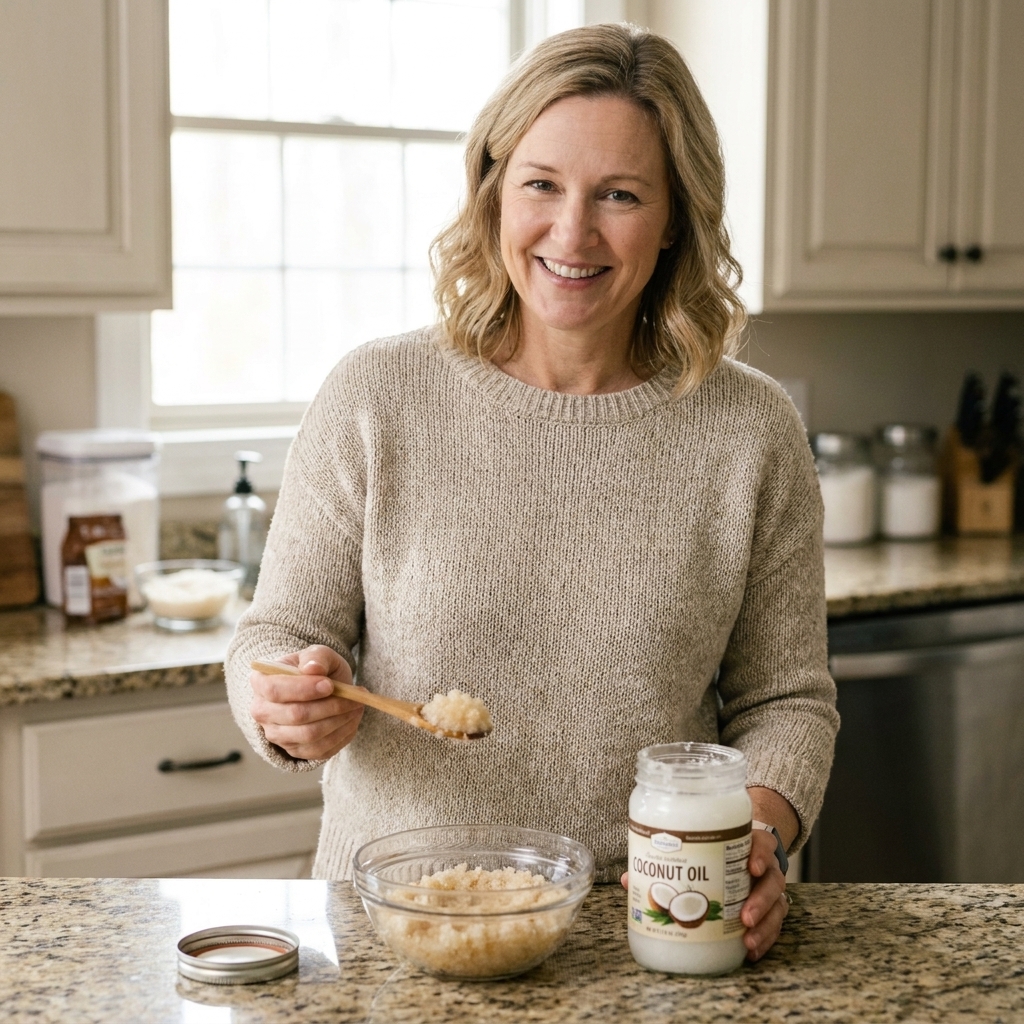
- Sugar scrub: mix sugar with a little olive oil or coconut oil and use occasionally on hands or legs
- Foaming hand soap refill: fill a foaming dispenser with water and a small squirt of liquid castile soap or gentle hand soap
- Makeup remover: a soft washcloth with warm water often works for light makeup, followed by your usual cleanser
- Hair mask: a small amount of coconut oil on the ends only (skip if your hair gets weighed down easily)
Hygiene note on foaming soap: diluted soap can get funky faster. Use a clean dispenser, make small batches, and avoid topping it off forever without washing it.
DIY ideas I would skip
- Homemade sunscreen
- Toothpaste made without the ingredients you rely on for cavity prevention
- Anything with essential oils if you have sensitive skin or kids who might get into it
DIY should reduce stress, not add risk or turn your bathroom into a science lab.
Buy in bulk only when it fits
Bulk buying can slash your cost per unit, but it can also quietly wreck your budget if you overbuy.
Bulk-buy green lights
- You use it consistently every month
- It does not expire quickly
- You have storage space that does not create clutter stress
- You are not sacrificing your grocery or bill categories to fund the bulk haul
Bulk-buy red flags
- You are trying a new product for the first time
- You rotate products often (common with skincare and hair care)
- You are buying variety packs you will not finish
If you are not sure, start with a normal size. The cheap jumbo bottle is only cheap if you finish it.
Keep your routine simple
One reason toiletries spending creeps up is that our routines get complicated. More steps usually means more products, which usually means more money.
A budget-friendly baseline routine
- Hair: one shampoo, one conditioner
- Body: one soap or body wash, one lotion if needed
- Oral care: one toothpaste, one floss
- Skincare: gentle cleanser, basic moisturizer, sunscreen
- Shaving: one razor system you stick with
Once your baseline is affordable and consistent, then you can intentionally add one extra product that makes you feel amazing. That is the frugal sweet spot.
Make basics last longer
Razors
- Store your razor somewhere dry, not in a puddle in the shower
- Use a gentle soap or shave gel so you are not hacking away at dry skin
- Do not press hard, it dulls blades faster
Toothpaste
- Use a pea-sized amount (seriously)
- Cut open the tube near the end if you want to use every bit
Skincare
- Use the recommended amount, not more
- Use a clean spatula or washed hands so products do not spoil early
- Stop panic buying backups unless you know you will finish them before expiration
Build a small stockpile
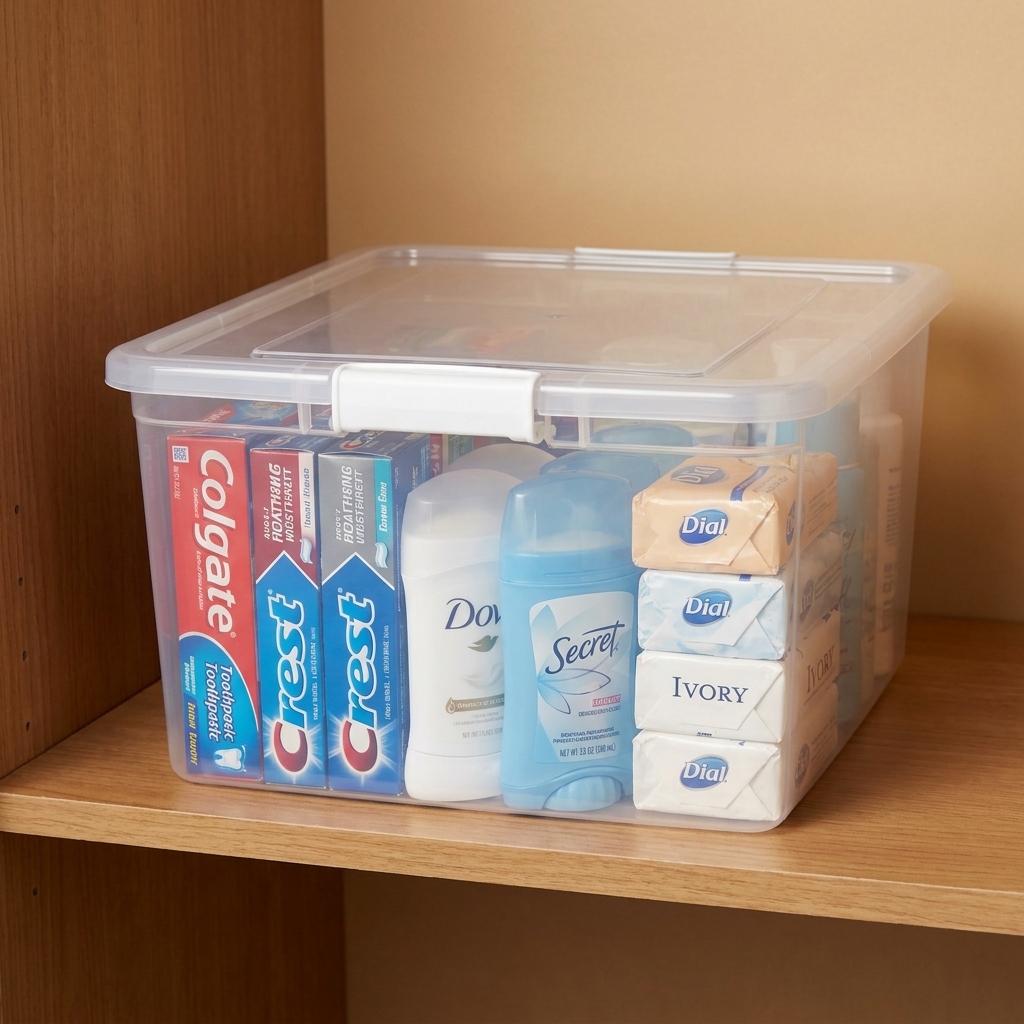
I love a tiny, controlled stockpile, especially for toothpaste, deodorant, soap, and feminine care. It protects you from price spikes and last-minute emergency purchases.
One important reminder: stockpiling is not the same as storing things forever. Keep an eye on expiration dates and PAO symbols (the little open-jar icon) on skincare and SPF, especially if you are buying backups.
My stockpile rules
- Cap it at 1 to 3 backups per item, depending on household size
- Only stockpile what you already love
- First in, first out: use the oldest first
- Store it in one bin so it stays visible and contained
This is the sweet spot where you get deal benefits without clutter overwhelm.
Drugstore checklist
If you want the simplest version of strategic shopping, here is the plan I follow.
- Make your list from what you are almost out of
- Check the store app for digital coupons
- Check rebate apps for matching offers
- Compare price per unit to your usual good price
- Buy only what fits your stockpile rules
- Submit rebate receipts the same day
- Track rewards and redeem them
Mistakes that keep toiletries expensive
- Buying just in case instead of buying because you are almost out
- Chasing trendy products that require five supporting products to work
- Not comparing price per ounce and accidentally paying more for sale sizes
- Switching brands constantly and never fully using anything up
- Forgetting subscriptions you set up months ago
If you recognize yourself in any of these, please hear me: it is normal. Toiletries marketing is designed to make you feel like you need more. You do not. You need a plan.
A no-shame reset
If money is tight and you are staring at an empty shampoo bottle, here is what I would do this week:
- Do a quick inventory first
- Choose the cheapest acceptable option for now (store brand counts)
- Pick one rebate app and one store app, do not try to learn five systems at once
- Set a tiny stockpile goal: one backup toothpaste and one backup deodorant
Progress is not about perfection. It is about building a routine that protects your budget month after month.
FAQ
Is couponing still worth it for toiletries?
Yes, especially at drugstores when you stack a sale with a digital coupon and a rebate. But it is only worth it if you buy items you already use and you do not overspend to earn rewards.
What is the fastest way to cut toiletries spending?
A use-first inventory plus a one-month no-buy on anything you already have duplicates of. Most people have enough half-used products to get through longer than they think.
Should I switch to all natural DIY products to save money?
Not necessarily. Some DIY swaps are great, but many are not cheaper once you buy ingredients, and some can irritate skin. Start with one or two low-risk swaps and keep what works.
A final note from a former serial spender
Toiletries were one of my “I deserve it” categories when I was stressed and drowning in debt. The turning point was realizing I could still take great care of myself while spending less, and I could use that extra money to buy something even better: peace.
If you want to start small, pick just one category this week, like toothpaste or deodorant, and aim for a better price using one coupon or one rebate. Tiny wins add up fast.