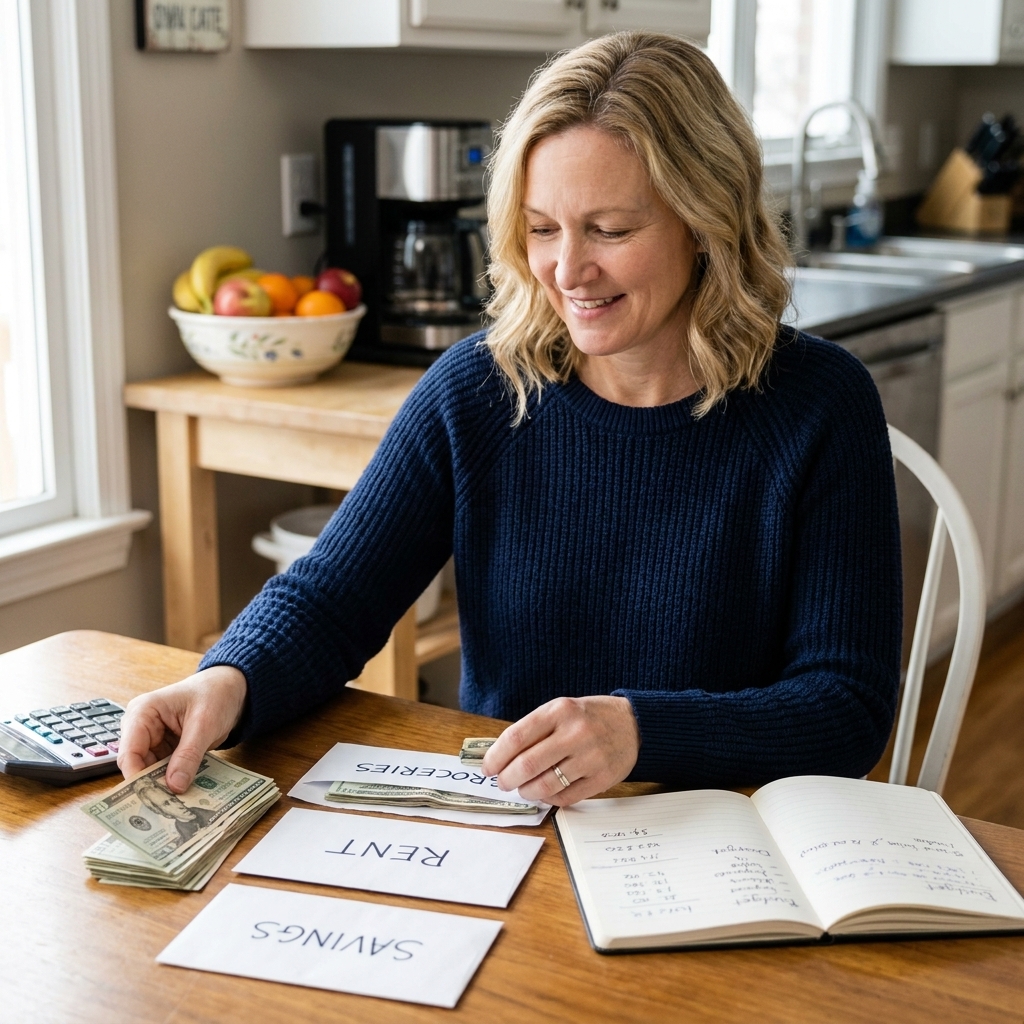
If budgeting feels like trying to carry water in your hands, you are not alone. When I was in my mid-twenties, I was a full-on serial spender with an administrative job paycheck and not-so-normal stress. I had credit cards, student loans, and that constant background panic of, “Did I forget a bill?”
The turning point for me was realizing I did not need a perfect personality to manage money. I needed a system. Two of the most common beginner-friendly systems are zero-based budgeting and the 50/30/20 rule.
Both can work. The best one for you depends on what you are trying to fix first: spending chaos, debt payoff, inconsistent income, or simply a desire to save without thinking about it constantly.

Quick definitions
What is zero-based budgeting?
Zero-based budgeting means you give every dollar of your income a job until your plan equals zero:
- Income minus expenses minus savings minus debt payments equals $0.
- “Zero” does not mean you spend everything. It means every dollar is assigned (including savings, sinking funds, and extra debt payments).
This is the method that helped me pay down a lot of consumer debt because it made my money feel “spoken for” before I had the chance to accidentally spend it.
What is the 50/30/20 rule?
The 50/30/20 rule is a percentage-based budget (usually based on take-home pay):
- 50% to needs (housing, groceries, utilities, minimum debt payments, insurance)
- 30% to wants (restaurants, fun money, hobbies, subscriptions)
- 20% to savings and debt payoff beyond minimums
It is simple, flexible, and a great starter guardrail if you want structure without tracking every line item.
How it looks in real life
Zero-based budgeting in practice
You start with your monthly income and assign it out. That can mean:
- Budgeting with last month’s income (my favorite when possible)
- Budgeting paycheck by paycheck as money hits your account (especially helpful with variable income)
- Or using a conservative estimate and adjusting as you go
Then list your expenses by category, including irregular ones.
Example categories a beginner might assign:
- Rent or mortgage
- Electric, water, internet
- Groceries
- Gas or transit
- Insurance
- Minimum debt payments
- Sinking funds (car repairs, gifts, annual fees)
- Extra debt payoff or savings goals
- Fun money (yes, on purpose)
Then you adjust until there is no “extra” money floating around unassigned.
50/30/20 in practice
You calculate your take-home pay and multiply it by 50%, 30%, and 20%. You do not need a long list of categories, but you do need to know whether something is a need or a want (and those can get fuzzy fast).
For example, groceries are a need. DoorDash three times a week is usually a want. A basic phone plan might be a need. Upgrading to the newest phone when your current one works is a want.
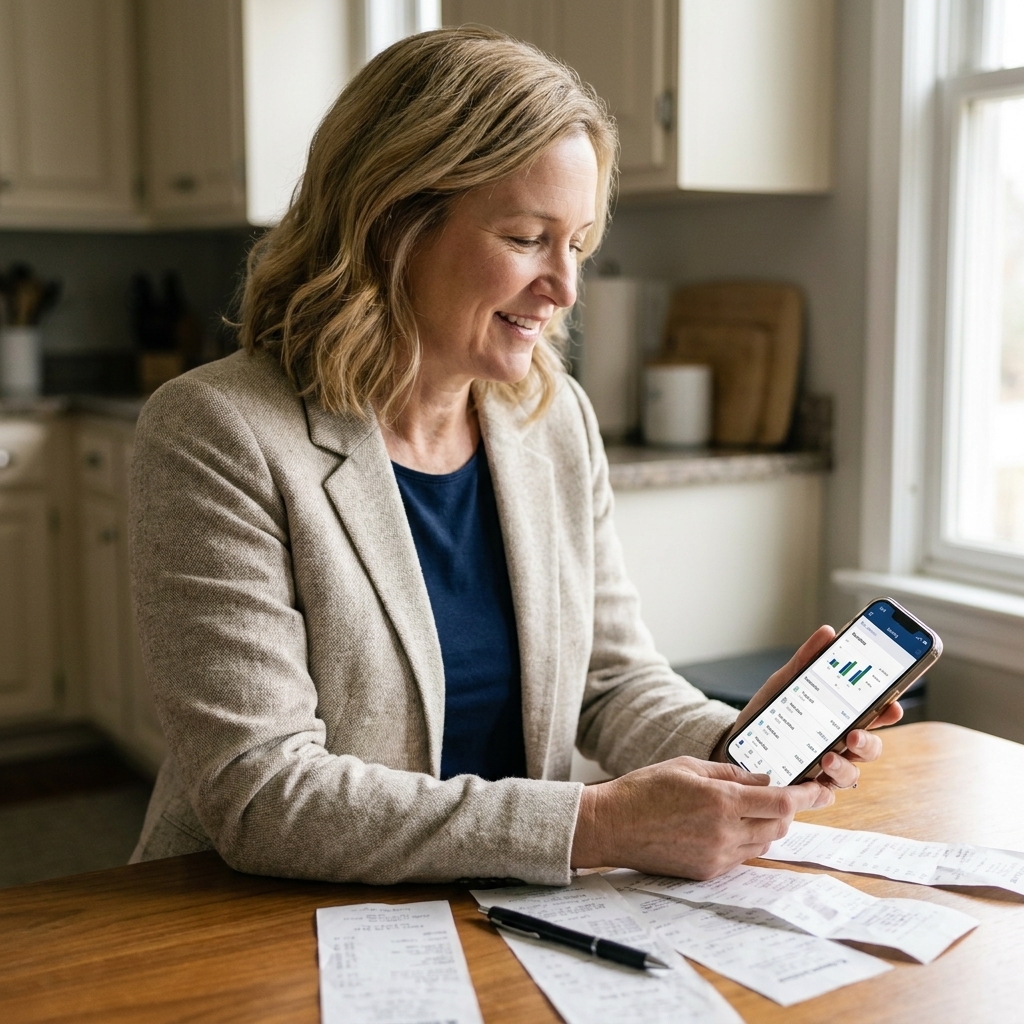
Pros and cons
Zero-based budgeting: pros
- Best for stopping money leaks. If you regularly wonder where your paycheck went, this method shines.
- Great for debt payoff. You can intentionally assign extra payments and track progress.
- Handles real-life expenses. Sinking funds (like car repairs and holidays) have a built-in home.
- More control. You can prioritize what matters to you, not what a percentage says.
Zero-based budgeting: cons
- More hands-on. It requires planning and checking in at least weekly at first.
- Can feel restrictive if you hate details. Some people feel overwhelmed by categories.
- Variable income takes practice. It is absolutely doable, but you may need a “bare-bones budget” version for lean months.
50/30/20: pros
- Simple to start. You can set it up in one sitting.
- Flexible. You are not micromanaging every category.
- Good for stable finances. If you are not drowning in debt, it can keep you balanced.
50/30/20: cons
- Percentages can be unrealistic. In high-cost areas, needs often eat more than 50%.
- It can hide overspending. If you are not tracking much, small leaks add up.
- Debt payoff may be slower. If your goal is to get aggressive, 20% might not cut it.
Which is best for beginners?
The best beginner budget is the one you will actually use consistently. If you want a clearer shortcut, use this:
Choose zero-based budgeting if you
- Are living paycheck-to-paycheck and need immediate control
- Have credit card debt and want a clear payoff plan
- Feel anxious about money and want certainty before you spend
- Need to plan for irregular expenses (car repairs, school fees, holidays)
- Love a checklist or feel calmer when things are organized
Choose 50/30/20 if you
- Have a stable income and your bills are mostly predictable
- Want a low-maintenance framework that still encourages saving
- Feel overwhelmed by detailed budgeting and need a gentle starting point
- Are primarily focused on balance (saving, spending, enjoying life) rather than urgent debt payoff
My beginner take
If you have consumer debt or you are constantly surprised by your bank balance, start with zero-based budgeting. It is more work upfront, but it is one of the fastest ways I know to turn down the stress.
If you are already covering bills comfortably and you just want a healthy structure, start with 50/30/20. You can always switch later.
Real numbers example
Let’s say your take-home pay is $3,200 per month.
50/30/20 breakdown
- Needs (50%): $1,600
- Wants (30%): $960
- Savings and extra debt (20%): $640
Zero-based breakdown
Instead of percentages, you assign amounts that match your reality and goals. Example:
- Rent: $1,350
- Utilities + internet: $220
- Groceries: $350
- Gas/transit: $160
- Insurance: $140
- Minimum debt payments: $180
- Sinking funds (car, gifts, annual fees): $150
- Fun money: $150
- Extra debt payoff: $400
- Emergency fund: $100
Total assigned: $3,200. Nothing is floating around waiting to get spent accidentally.
Notice something important: with zero-based budgeting, you can choose to make “wants” smaller for a season and redirect money to debt or savings without feeling like you failed a rule. You just changed the plan.
When you are behind
If you are dealing with late fees, overdrafts, or that awful “everything is due at once” feeling, budgeting can feel pointless. This is the triage approach that helps many beginners get breathing room:
- Cover essentials first: housing, utilities, basic groceries, transportation to work, and insurance.
- Pay minimums to stop the bleeding: make at least the minimum debt payments while you stabilize.
- Start a small buffer: aim for a $500 to $1,000 starter cushion so one surprise does not send you back to a credit card.
- Call and negotiate: ask for due-date changes, hardship plans, or late-fee waivers. You do not have to be in crisis to ask.
- Pause what you can: subscriptions, unused memberships, and any auto-renewals you forgot about.
Once you have a little buffer, both budgeting methods become dramatically easier to stick with.
How to start
If you pick zero-based budgeting
- Step 1: List your take-home income for the month, or budget paycheck by paycheck.
- Step 2: Cover the Big Five first: housing, utilities, groceries, transportation, insurance.
- Step 3: Add minimum debt payments.
- Step 4: Add sinking funds for non-monthly expenses (even $10 to $25 per category helps).
- Step 5: Add fun money on purpose so you do not rebel-spend later.
- Step 6: Assign the rest to your top goal: extra debt payoff, savings, or a starter buffer.
- Step 7: Do a 10-minute check-in once or twice a week.
If you pick 50/30/20
- Step 1: Calculate your monthly take-home pay.
- Step 2: Sort your spending into needs vs. wants (be kind, but be honest).
- Step 3: If needs are over 50%, do not panic. Identify one adjustable lever: housing, transportation, groceries, or subscriptions.
- Step 4: Automate the “20%” category if possible (auto-transfer to savings, auto extra payment to debt).
- Step 5: Track just enough to stay on course. For many beginners, that means watching needs and wants totals weekly.

Common mistakes
Mistake 1: Forgetting irregular expenses
Quarterly car insurance, annual memberships, birthdays, back-to-school, oil changes, holiday travel. These are the expenses that make people think budgeting does not work.
Fix: Add a sinking fund line. Even if you start with $25 a month, you are building a buffer.
Mistake 2: Being too strict with zero-based budgeting
If you budget $0 for fun, you are not becoming disciplined. You are setting a trap.
Fix: Create a small fun money category. Mine was tiny at first, but it kept me consistent, which mattered more.
Mistake 3: Using 50/30/20 without boundaries
Wants can quietly turn into a spending free-for-all if you are not paying attention.
Fix: Put 2 to 3 want categories on a leash (restaurants, Amazon, Target, hobbies). You do not have to track everything, just your usual trouble spots.
Mistake 4: Giving up after one messy month
Your first budget will not be perfect. That is normal. Budgeting is a skill, not a personality trait.
Fix: Treat month one as data collection. Month two is where it starts to click.
Can you combine them?
If you are torn, here is a hybrid I love for beginners:
- Use 50/30/20 as your big-picture guardrails.
- Use zero-based budgeting inside the categories that matter most right now (like groceries, dining out, or debt payoff).
For example, you might not care to track every single need, but you might want a detailed zero-based plan for food because that is where your money tends to vanish.
FAQ
Is zero-based budgeting the same as the envelope system?
They are close cousins. The envelope system is a tool (often cash-based categories). Zero-based budgeting is the plan that assigns every dollar a job. You can do zero-based budgeting with cash envelopes, a spreadsheet, or an app.
What if my income changes every month?
Zero-based budgeting usually works better here. Start with your lowest expected income or budget paycheck by paycheck. In higher-income months, assign the extra to catching up categories, sinking funds, and your top goal.
What if my needs are way over 50%?
You are not failing. Costs are simply high in many places. Use 50/30/20 as a direction, not a moral score. If needs are 65%, your first step might be reducing wants to 15% and putting 20% toward debt or savings, or even 10% if you are in a tight season.
Which one helps you save more?
Either one can. Zero-based budgeting often helps many people save more at first because it catches leaks and forces intentional choices. Once your spending is under control, 50/30/20 can maintain savings with less effort.
If you are still stuck
If you want the simplest decision:
- High stress, debt, or paycheck-to-paycheck? Start with zero-based budgeting for 90 days.
- Stable bills and you just want structure? Start with 50/30/20 for 30 days.
And here is the secret I wish someone told me sooner: you are allowed to change methods. Budgeting is not a lifelong contract. It is a tool you can swap out as your life changes.
Pick one, try it for a month, and come back to your budget like a kind coach, not a critic. That is how financial peace actually starts.