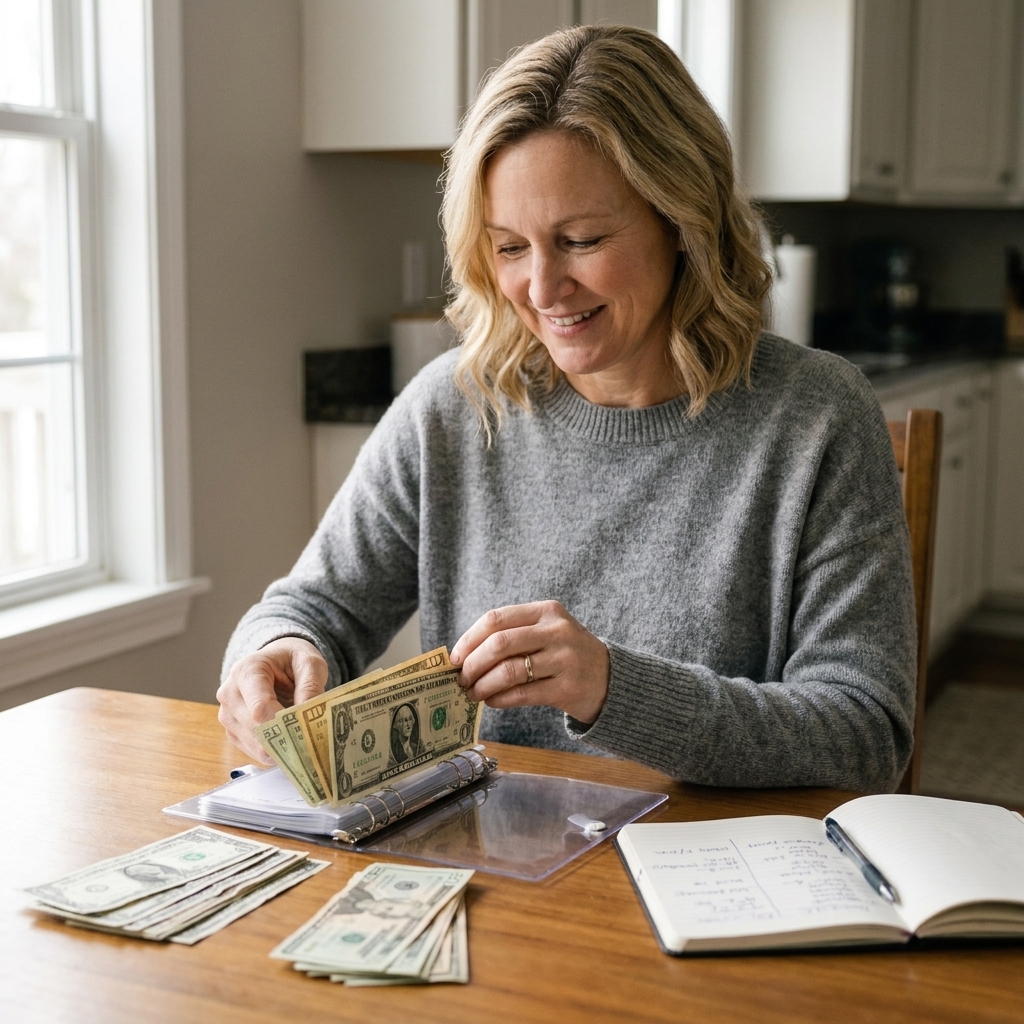
If you have ever ended the month thinking, “I make decent money… so why do I still feel broke?”, I get it. That was me in my mid-twenties, staring at a pile of credit card balances and wondering how I could be working full-time yet constantly playing catch-up.
Two tools helped me finally feel in control: zero-based budgeting and the envelope system. They are often talked about like competing teams, but honestly, they solve slightly different problems.
So which saves you more? The most truthful answer is: the one you can stick with consistently. But you can absolutely choose the method that tends to give you the biggest savings boost based on how you spend, what stresses you out, and where your money tends to leak.
Quick definitions
What is zero-based budgeting?
Zero-based budgeting means you give every single dollar a job before the month begins. Income minus expenses equals zero. That does not mean you spend everything. It means the leftovers get assigned on purpose, like extra debt payments, savings, sinking funds, or investing.
In a zero-based budget, “unassigned money” is basically not allowed, because unassigned money tends to wander off into Target.
What is the envelope system?
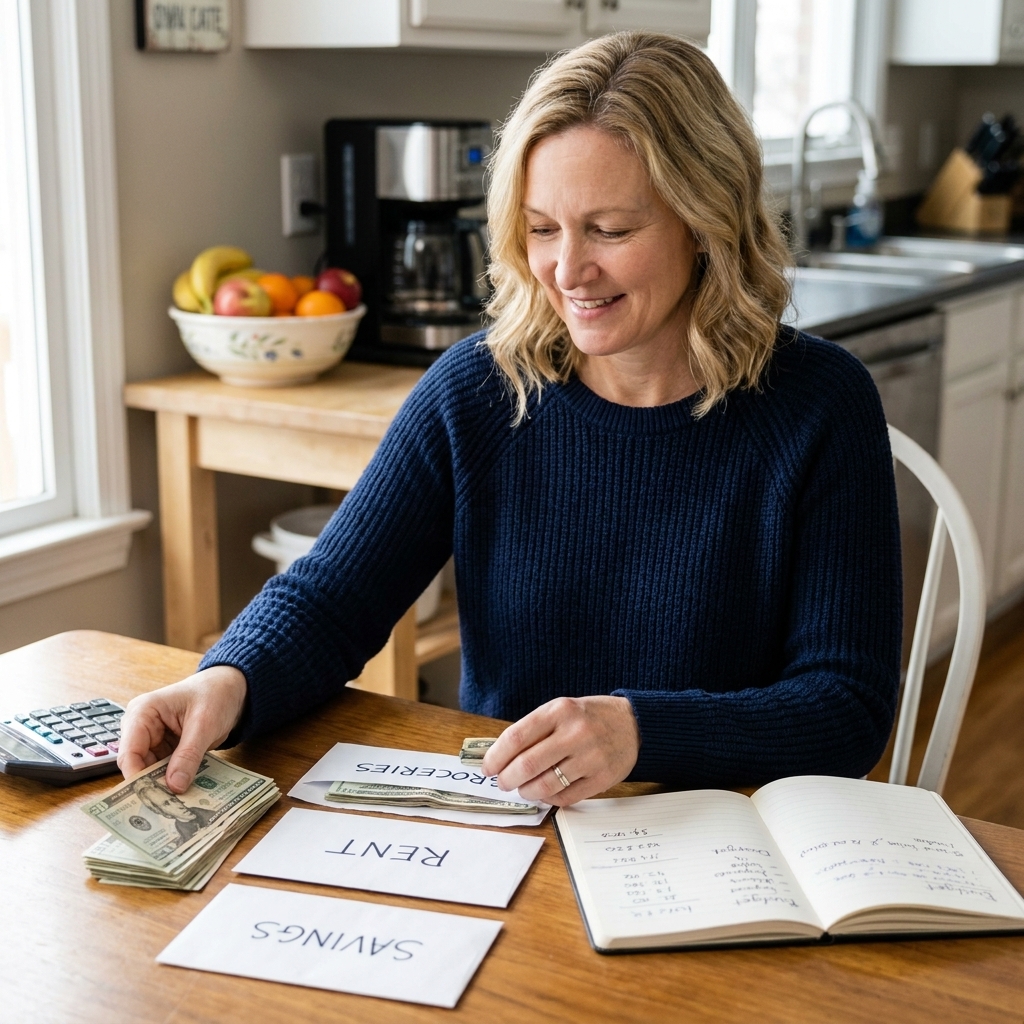
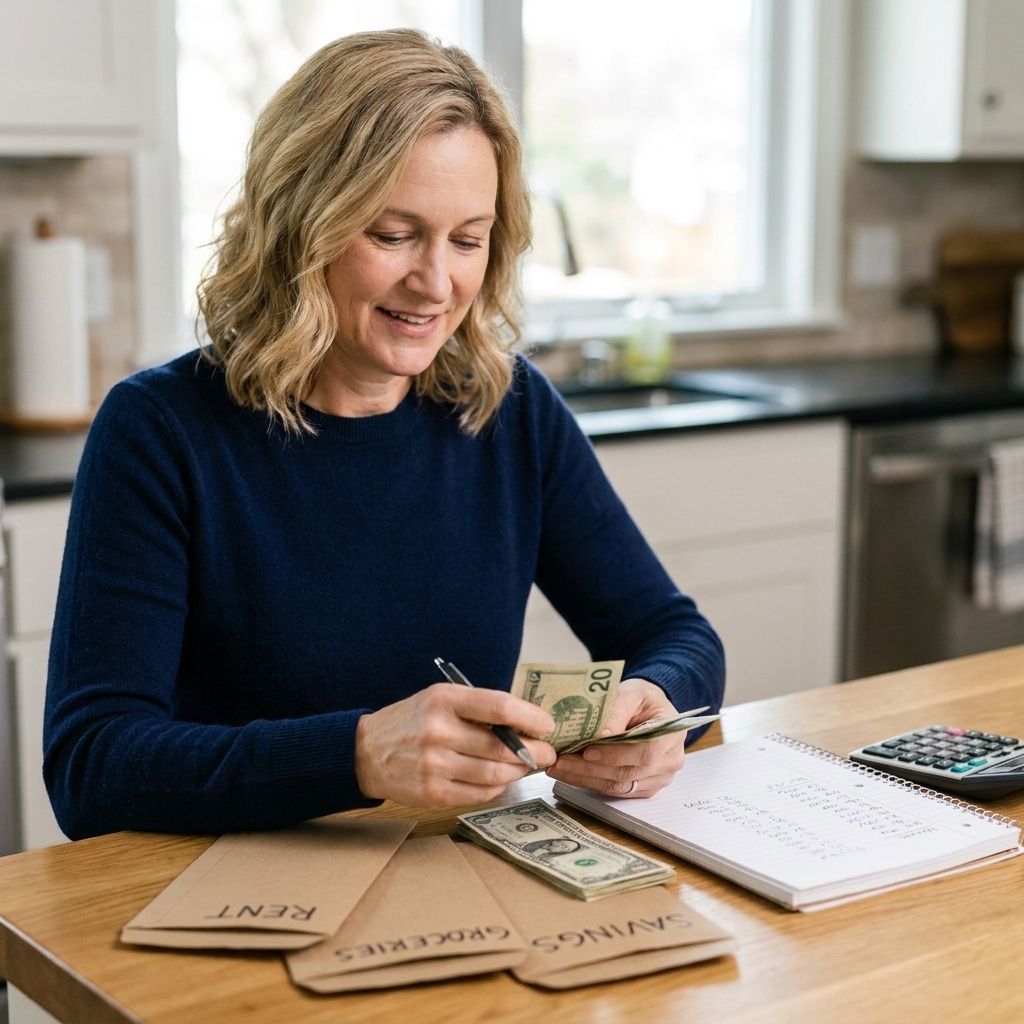
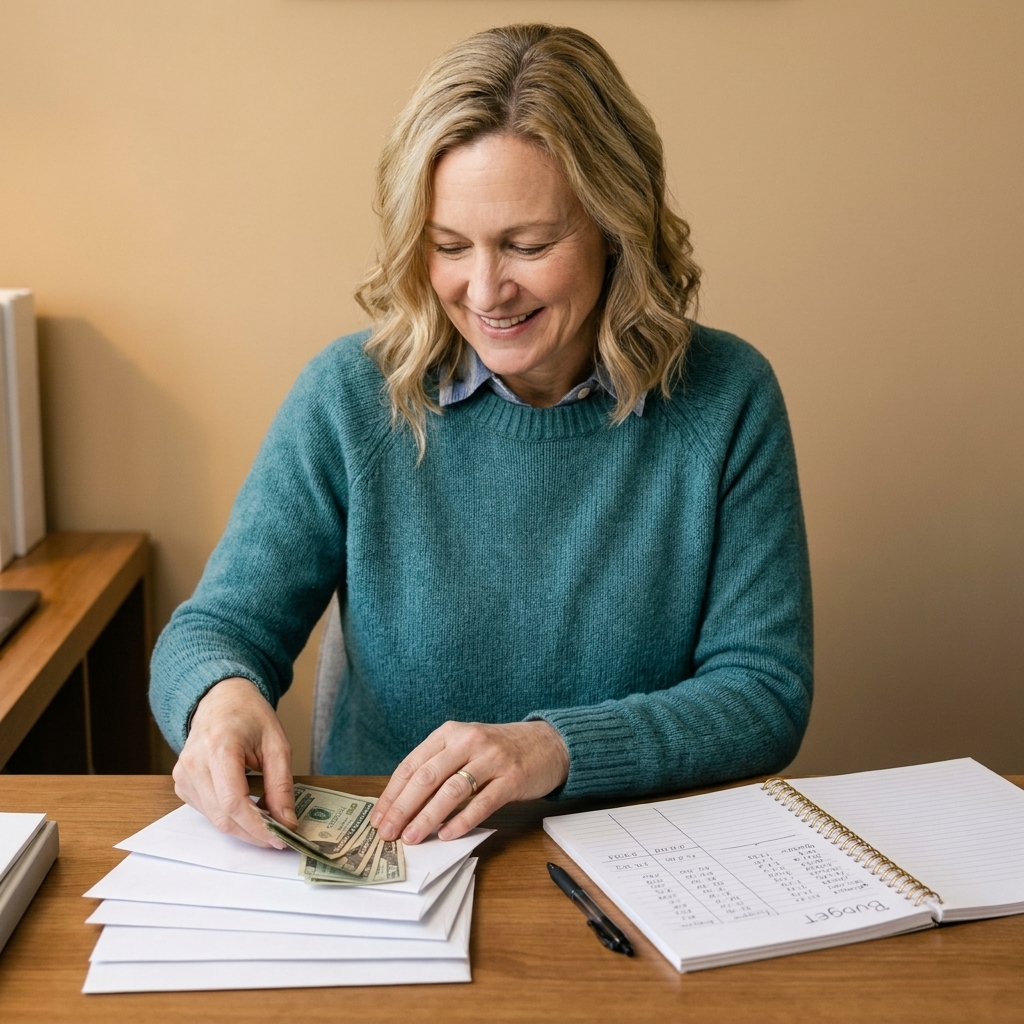
The envelope system is a spending control method where you set aside specific amounts of money for categories (traditionally in cash) and once an envelope is empty, you stop spending in that category until you refill it.
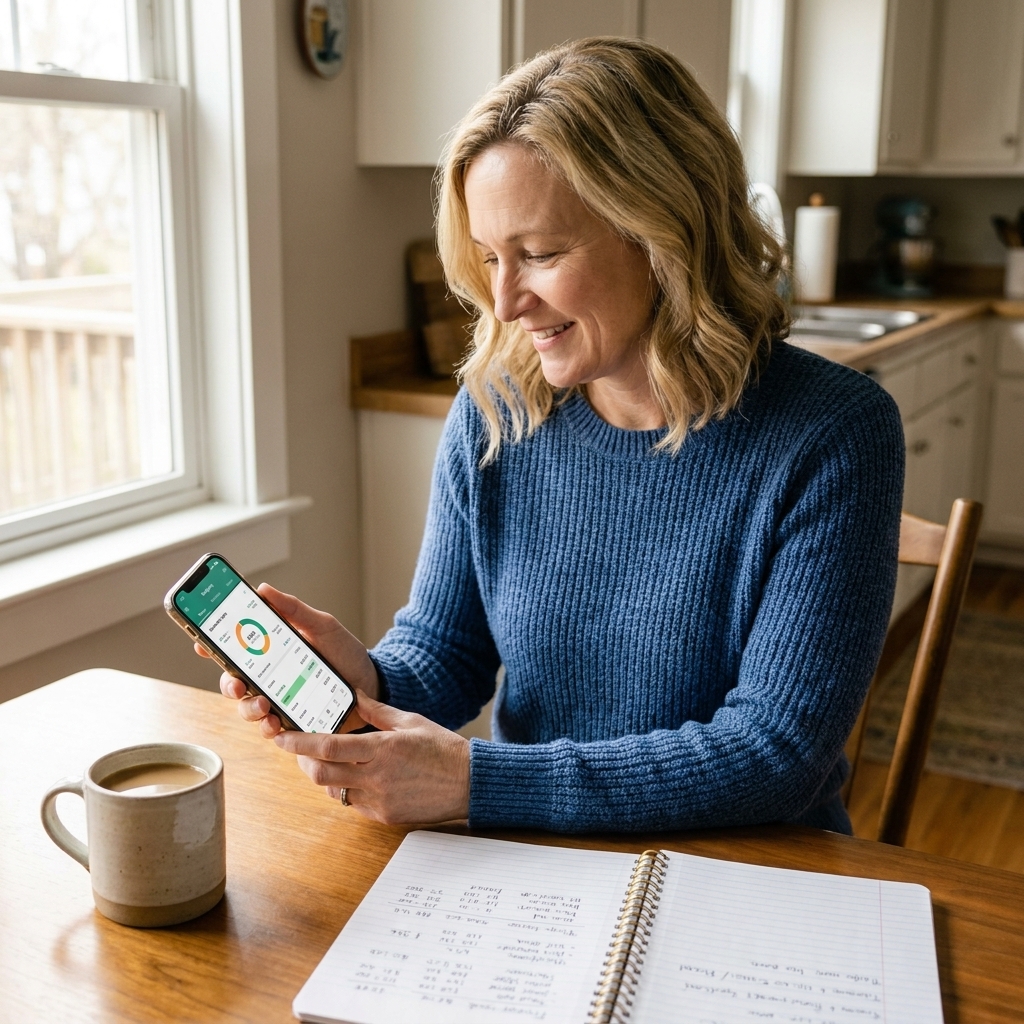
Today, many people do a hybrid version with a separate bank account, debit card sub-accounts, or budgeting apps that mimic envelopes digitally.
Which saves you more
Both can save you a lot, but they usually create savings in different ways. Think behavioral fit, not a guaranteed outcome.
Zero-based budgeting tends to save you more when…
- Your “leftover money” disappears. If you are not sure where the rest went, zero-based budgeting forces clarity.
- Your expenses are complex. Multiple bills, variable income, sinking funds, debt payoff, subscriptions, annual fees. Zero-based is great for the big picture.
- You want to accelerate debt payoff or savings goals. It is very goal-forward. You can deliberately assign extra money to the highest-priority target.
The envelope system tends to save you more when…
- You overspend in a few problem categories. Restaurants, groceries, fun money, Amazon, beauty, kids’ expenses. Envelopes create an instant stop sign.
- You need hard boundaries. If willpower is tired, physical limits can do more of the work.
- You are rebuilding spending awareness. Cash can be a reset button when swiping a card feels invisible.
My real-life take: If your biggest issue is impulse spending, envelopes often create faster savings right away. If your biggest issue is planning and follow-through, zero-based budgeting often saves more over time because it captures every dollar and aims it at your goals.
Pros and cons
Zero-based: the good
- Total control. Every dollar has a purpose, including savings and debt payoff.
- Works with cards and autopay. You can keep your life modern while still being intentional.
- Flexible. If your car repair fund needs more this month, you can adjust the plan without abandoning it.
Zero-based: the hard parts
- It requires monthly planning. Not hard, but it is a habit you must build.
- You need to track spending. If you never reconcile transactions, the budget turns into a wish list.
- It can feel tight at first. Especially if you are used to winging it.
Envelopes: the good
- Built-in overspending prevention. Empty envelope usually means you are done spending there until you refill it.
- Very visual. You feel the tradeoffs in real time.
- Can be helpful for couples. It creates a shared boundary and makes “how much is left?” easy to see, though you will still want quick check-ins.
Envelopes: the hard parts
- Cash handling can be inconvenient. Online spending, tips, splitting bills, and safety can be barriers.
- It does not automatically plan your whole financial life. Envelopes are best for variable spending categories, not fixed bills like rent, utilities, or insurance.
- It can be out of sight, out of mind for goals. If you only focus on envelopes, you might forget to assign money to sinking funds and true expenses.

Real life categories
Groceries
Envelopes: A great fit. It is frequent, it is easy to overspend, and you feel the limit in your hand.
Zero-based: Also a strong fit, but you need to track each grocery run and reconcile it so you do not accidentally borrow from another category.
Dining out and convenience spending
Envelopes: This is where envelopes really shine. If your dining envelope is empty, the plan is usually to eat at home until the next refill.
Zero-based: Works well if you are disciplined about checking category balances before you spend.
Online shopping
Envelopes: Harder with cash, easier with a digital envelope system or a separate debit card for discretionary spending.
Zero-based: Smooth in most cases, assuming you categorize consistently. Just know that merchant names and split purchases can get messy, so a quick review helps.
Irregular expenses
Envelopes: You can create “sinking fund” envelopes, but it can get bulky in cash. Many people use a separate savings account instead.
Zero-based: A natural match. Zero-based budgeting assigns money to sinking funds each month so those expenses stop being emergencies.
My take: a hybrid wins
If you have tried one method and it did not work, it might not be a motivation problem. It might be a tool fit problem.
What worked best for me while paying off $45,000 of debt was:
- Zero-based budgeting for the whole month (bills, debt payments, sinking funds, savings goals).
- Envelopes for my trouble categories (restaurants, fun money, and groceries in the beginning).
This combo gave me both: a complete plan and a hard stop where I needed one.
Frugal truth: You do not have to be good with money to save money. You just need a system that makes the right choice easier than the impulsive one.
Pick what fits you
Choose zero-based if you…
- Like lists, plans, and clarity
- Have multiple financial goals (debt payoff, emergency fund, saving for a move)
- Need to manage variable income or lots of irregular expenses
- Feel anxious because you are not sure what is coming next month
Choose envelopes if you…
- Regularly overspend in just a few categories
- Feel like swiping a card makes spending not real
- Want a simple rule you can follow without checking an app
- Need boundaries that reduce decision fatigue
Choose a hybrid if you…
- Want a full monthly plan but also need guardrails
- Are paying off debt and want to control lifestyle creep
- Share finances and want a simple, visible spending limit
How to start
Zero-based in 30 minutes
- Write down expected income for the month. If income varies, start with the lowest realistic number.
- List your fixed bills. Rent or mortgage, utilities, insurance, minimum debt payments, childcare.
- Add true expenses. Car maintenance, gifts, school fees, annual subscriptions. Put a monthly amount aside.
- Fund your priorities next. Extra debt payments, emergency fund, sinking funds, investing.
- Assign money to variable spending. Groceries, gas, household, fun money.
- Make it equal zero. Keep adjusting until every dollar is assigned.
- Check in weekly. A budget works when you interact with it.
Envelopes this weekend
- Pick 3 to 5 categories. Start with the ones you tend to overspend in (groceries, dining out, fun money).
- Choose your envelope style. Cash, a separate debit card, or a digital envelope tool.
- Decide the amount. Base it on last month’s spending, then shave it down slightly.
- Fill envelopes and spend only from them. If it is empty, pause spending or move money intentionally from another category.
- Do a quick reset weekly. Count what is left and adjust next week’s plan.
Common questions
Do I have to use cash for envelopes?
No. Cash is powerful, but not mandatory. If cash is unsafe or inconvenient, try a separate checking account for spending money or a debit card dedicated to your envelope categories.
How do envelopes work if I use a credit card?
A simple approach is to use the card for the points or convenience, then immediately record the purchase against the right envelope category. If you do cash envelopes, you can move the same amount of cash to a “credit card payment” envelope so the money is set aside when the bill hits. The key is making sure you are spending within the envelope limit, not the card limit.
What if I run out of money in an envelope category?
You have three options:
- Stop spending in that category until the next refill
- Move money from a different category (but do it consciously, not as a reflex)
- Adjust next month if your current number is not realistic
What do I do with money left in an envelope at month-end?
You have two common choices, and both can be smart:
- Roll it over if you want a cushion next month (great for groceries and gas).
- Sweep it to a goal like debt payoff or savings if you want a monthly win and faster progress.
Pick one rule per category so you are not renegotiating with yourself every month.
With zero-based budgeting, what if I forgot an expense?
Totally normal, especially at first. Add it when you notice it and pull money from a lower-priority category. This is why I love keeping a small miscellaneous buffer category while you are learning.
Can I do zero-based budgeting if I get paid biweekly?
Yes. You can budget by paycheck (a mini zero-based budget every pay period) or build a full-month plan and fund categories as income comes in. Either way works, as long as every dollar gets assigned.
Which is better for getting out of debt?
Zero-based budgeting is often the strongest for debt payoff because it helps ensure extra money gets deliberately assigned to debt. But envelopes can be the secret weapon that reduces backsliding by controlling spending triggers.
The bottom line
If you want a method that saves you more, do not ask, “Which one is best?” Ask:
- Where do I lose money without noticing? (envelopes help)
- Where do I fail to plan ahead? (zero-based helps)
- Do I need guardrails, a roadmap, or both?
My encouragement if you are starting from scratch: begin with zero-based budgeting for your whole month, then add envelopes for 1 to 3 categories where you tend to overspend. You will often feel the savings faster, and you will still have a complete plan for the bills and the boring grown-up stuff.
And if you slip up, please hear me: you are not bad with money. You are learning a skill. Every month you practice, it gets easier.