I used to be the person who bought a shiny new tool for a single weekend project, then paid interest on it for months. If you are tackling a one-off DIY job, a tool library can be one of the most satisfying frugal swaps out there. You get the right tool, you skip the clutter, and you keep your budget intact.
But I will be honest: the only time a tool library stops feeling “free” is when you get hit with fees you did not see coming. The good news is that most surprise fees are avoidable once you know what to look for.
First, see if borrowing fits
Before we get into rules and fine print, do a quick reality check. Borrowing shines when:
- It is a one-off or occasional project (hang shelves, install a faucet, trim a door, aerate the lawn).
- You need a specialized tool you would not use often (tile saw, oscillating multi-tool, post hole digger, drain snake).
- You want to test-drive a tool before deciding whether it is worth owning.
Buying or renting elsewhere may be better when:
- You will use it constantly (example: a basic hammer, tape measure, or a drill you use every month).
- Your timeline is unpredictable and you might need extra days. Late fees can add up fast.
- The project is high-stakes and you cannot risk downtime if the tool is already checked out.
My rule of thumb: if the project has a firm deadline and you cannot pivot, reserve early or keep a backup plan in mind.
What to search for
Not every community calls it a “tool library.” In your area, you might see names like:
- Tool library
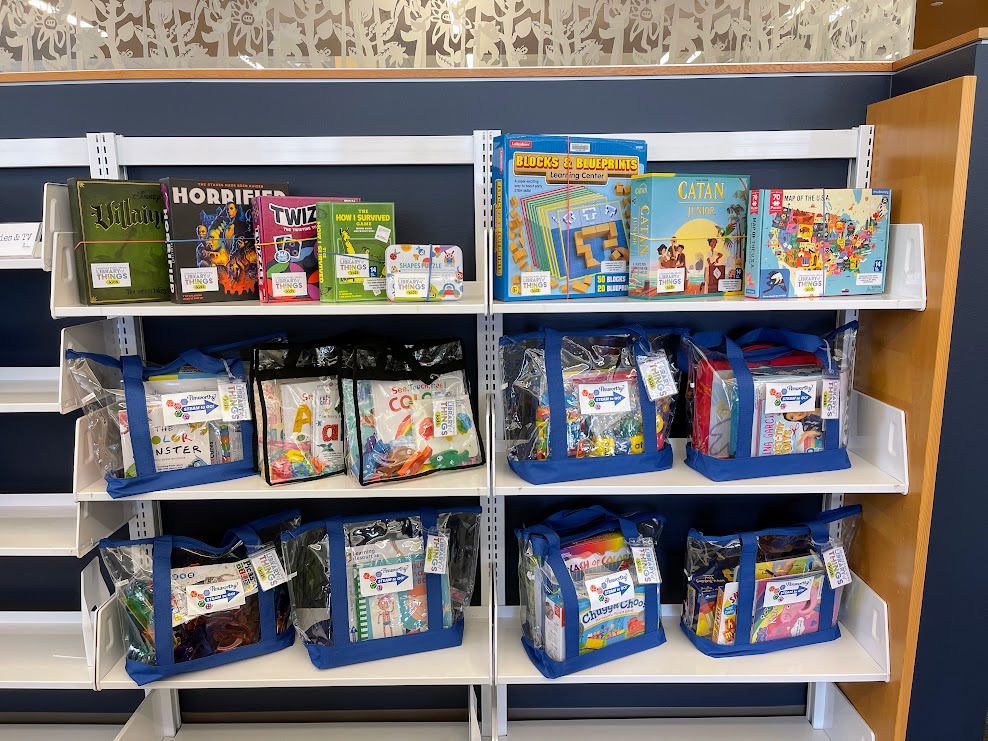
- Library of things
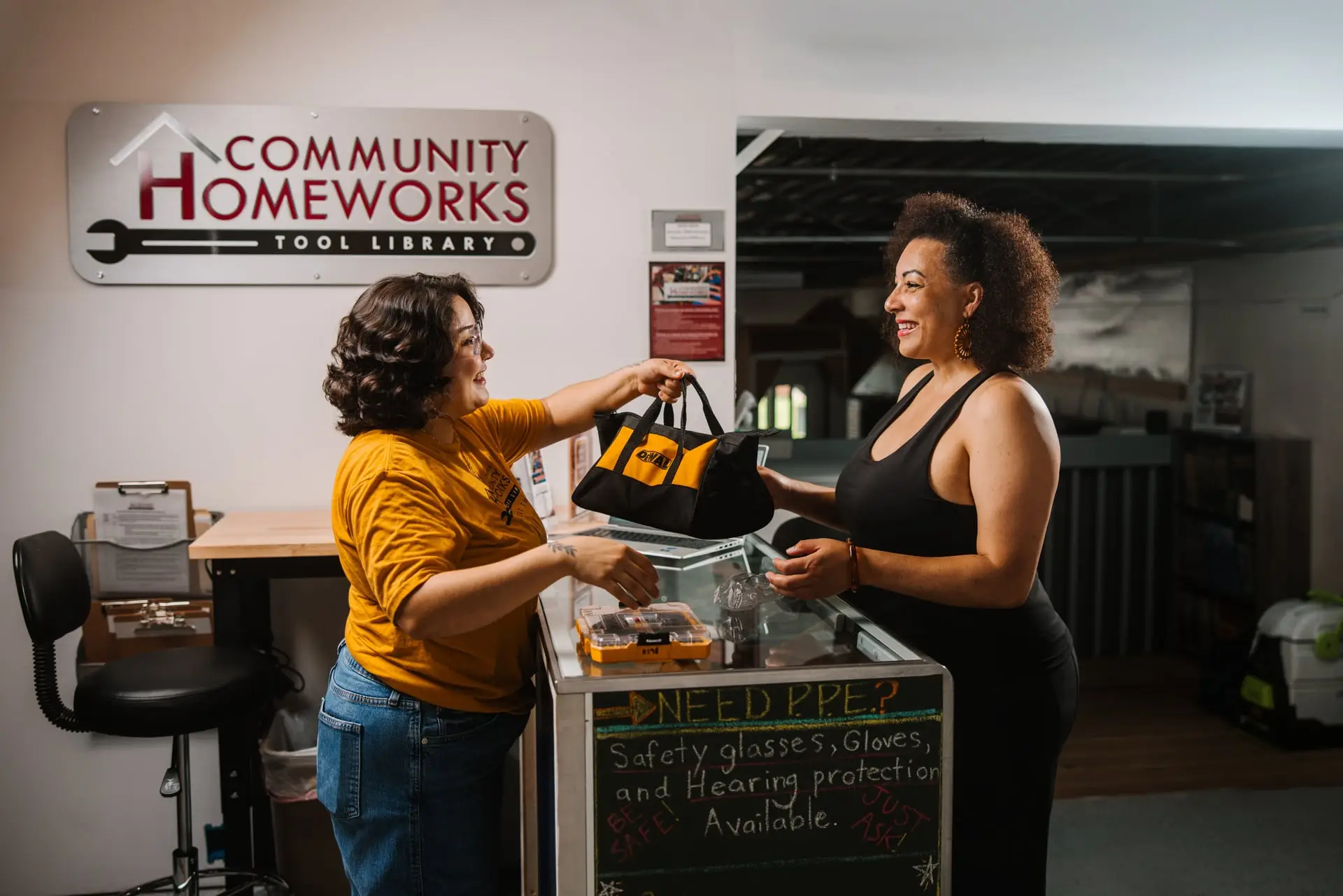
- Tool lending library
- Community tool shed
- Fix-it hub or maker space lending
And the places that run lending programs well are often the places that branch into tools, too:
- Your public library (some lend tools and home items, often as part of a “library of things”)
- Neighborhood associations
- City sustainability programs
- Community colleges or adult education centers
- Nonprofits focused on housing, repair, or reuse
Once you find a program near you, go straight to the FAQ or membership page. That is where the fee rules (and the fine print) usually live.
Eligibility basics
Most lending programs are friendly and accessible, but they still need to protect the collection. Expect some version of these requirements:
- Proof of identity (driver’s license or other photo ID).
- Proof of address (a piece of mail, lease, or utility bill if your ID is outdated).
- A signed waiver acknowledging you are responsible for safe use and return.
- Membership (free, sliding-scale, or a small annual fee).
Two fee-related questions to ask up front:
- Is membership refundable? Usually no, but some places offer a refundable deposit-based model.
- Do I need a credit card on file? Some systems require it for late fees or replacement costs.
If you are working with a tight budget, do not be shy about asking whether they offer fee waivers, volunteer-for-membership programs, or income-based pricing. Many do, and they would rather help you borrow safely than price you out.
Reservations
If the program has an online catalog, use it like your secret weapon. Reserving properly can prevent two common money-wasters: rushing and over-borrowing.
What to check in the listing
- Loan period (by hours, days, or “next open day”).
- Renewal rules (allowed or not, and whether you must renew before the due time).
- Accessory list (batteries, chargers, bits, blades, guards, attachments).
- Consumables policy (you often provide your own sandpaper, nails, screws, blades, fuel, or string trimmer line).
- Pick-up and return windows (some are only open certain hours or days).
- Orientation requirements (some programs require in-person checkouts or a quick safety briefing for certain items).
Pick up close to when you will use it
This sounds obvious, but it is a common way people stumble into late fees. If you pick up Friday “just to be prepared” but cannot start until Sunday night, you just burned your loan window.
Plan your project, then align the checkout:
- Do prep work first (clear the room, measure, buy materials).
- Pick up the tool as close as possible to when you will start.
- Build in return time while they are open.
Deposits and holds
Not every lending program charges deposits, but some do for higher-value tools. Fees vary widely, so the goal is not to guess the “normal” amount. The goal is to understand the rules before checkout.
Common fee setups
- Annual membership fee: a flat yearly amount for borrowing access.
- Per-item deposit: refundable when the tool returns complete and on time.
- Account hold: a temporary authorization on your card that drops off after return.
- Replacement liability: you agree to pay repair or replacement costs if damaged or lost.
Questions that prevent surprises
- Is the deposit refundable, or is it an added fee?
- When do refunds process?
- What counts as “damage” versus normal wear?
- Do you charge cleaning fees for muddy yard tools or dusty saws?
- If something breaks during normal use, what is your process?
My personal policy: if I cannot explain the fee rules back in one or two sentences, I ask again before I walk out with the tool.
Loan periods and late fees
Tool libraries work because tools keep circulating. Late returns block other members, so many programs use late fees to keep things moving.
Late fee patterns you may see
- Daily late fee (often used).
- Hourly late fee (sometimes used with short loan windows).
- Grace period (some offer one, others do not).
- Maximum fee cap (late fees stop at a certain point, then replacement costs may apply).
Habits that keep you fee-free
- Set two reminders: one the day before, one two hours before you need to leave to return it.
- Photograph the due date on the receipt or screen at checkout.
- Return early when possible. “Due Monday” can turn into a stressful sprint if you wait until the last minute.
- Ask about renewals as soon as you realize you need more time. Many systems require you to renew before it becomes late.
Budget-friendly backup plan: If your project might run long, ask whether you can reserve the tool for an extra day in advance. It is often cheaper than risking late fees, and kinder to the next borrower.
Missing parts checks
This is the part that saves you from the most frustrating kind of surprise fee: getting charged for a piece that was missing before you ever touched the tool.
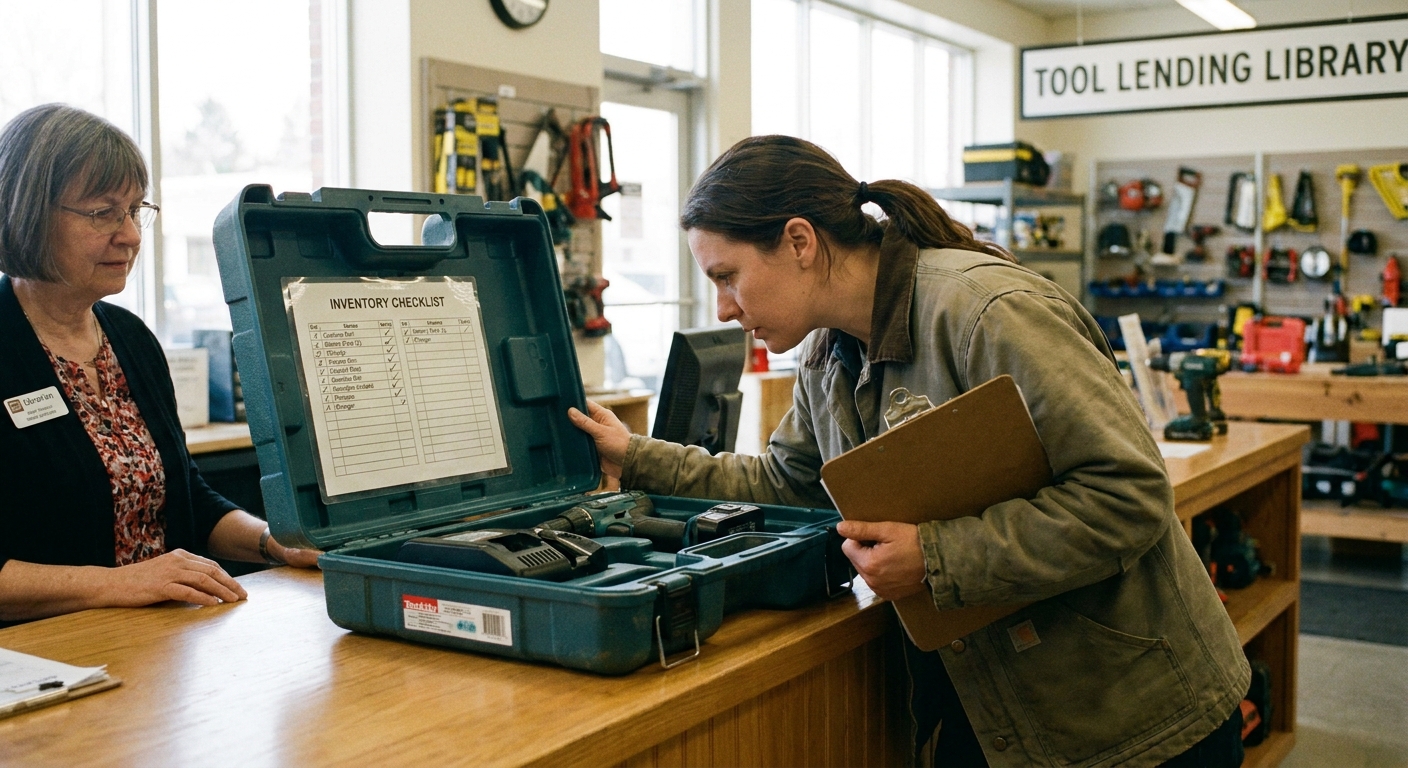
Many tools are loaned as kits. Think: case plus charger plus battery plus bit set plus guard. If any piece is missing when it comes back, the library has to replace it, and they may charge the last borrower unless there is a record.
Do this before you leave
- Open the case at the counter.
- Match contents to the inventory list (often taped inside the lid).
- Check small items first: hex keys, arbor wrenches, fence guides, sanding pads, depth stops.
- Confirm batteries and chargers are included and fit properly.
- Look for obvious damage: cracked housing, frayed cords, missing guards.
Get documentation if something is off
If anything is missing or damaged, ask staff to note it on your account or the checkout receipt before you go. If they allow it, take a quick photo of the open case at checkout. This is not about distrust. It is just good record-keeping, like taking apartment move-in photos.
Use it safely
I am not here to turn this into a full safety class, but a little prevention goes a long way for your wallet. Repair charges can come from preventable issues like overheating, incorrect blades, or forcing a tool through the wrong material.
Before you start
- Read the quick-start sheet if the library provides one.
- Watch a short manufacturer video for that model if it is new to you.
- Use the right accessory (wrong blade or bit can damage the tool fast).
- Do a test run on scrap material.
During use
- Do not push the tool beyond what it wants to do. If it bogs down, pause and reassess.
- Keep vents clear so motors do not overheat.
- Avoid creative modifications. Tool libraries are generous, but they are not excited about improvised equipment.
If something breaks and it is not from misuse, tell the library immediately. Many would rather hear about a problem promptly than discover it at the next checkout.
Liability and theft
One more practical angle: responsibility does not always stop at “return it on time.” Some programs have extra rules for higher-risk tools, especially gas-powered equipment, ladders, or anything with blades. Read those policies before you commit, because they may come with extra waivers, an in-person checkout, or a quick orientation.
Also ask what happens if a tool is stolen from your car or home during your loan. Some libraries treat theft like a loss and charge replacement cost. Others may have a process that involves a police report. The point is not to scare you, it is to keep you from learning the policy the hard way.
Cleaning and returns
Some programs charge cleaning fees, and even when they do not, returning a tool dirty can lead to disputes about condition. A few minutes of cleanup protects your deposit and keeps goodwill strong.
Clean it like a decent neighbor
- Knock off dirt and debris from yard tools. A stiff brush does wonders.
- Empty dust bags and canisters if required by policy (some prefer staff does it, so ask).
- Wipe surfaces to remove oil, sap, or wet concrete splatter.
- Coil cords neatly without tight kinks.
- Let tools dry before packing to prevent rust and mold in cases.
Pack the case how you found it
Those molded case shapes are your friend. If you are forcing the lid closed, something is in the wrong spot or a piece is missing. Repack slowly and compare to the inventory list.
Return without drama
- Return during staffed hours when possible.
- Ask for a receipt or confirmation email showing it is checked in.
- Hand off kits in-person rather than leaving them outside, unless the program explicitly instructs after-hours drop-off.
Tool library vs rental vs buying
If you are on the fence, I find it helps to compare three realistic options.
Choose a tool library when
- You can finish within the loan period.
- You can pick up and return during open hours.
- You are comfortable learning the tool quickly and using it safely.
- The deposit and potential late fees do not create financial stress.
Choose a hardware store rental when
- You need the tool for a tight window and want more predictable availability.
- You want newer equipment, or the job is heavy-duty and you do not want downtime.
- The rental terms (including damage coverage) feel clearer than a membership plus deposit.
Buy (often used) when
- You will use it regularly, or you expect repeat projects.
- You can store it without it becoming clutter.
- You want time flexibility, especially for slow, stop-and-start work.
Borrowing is supposed to reduce stress, not add it. The best experience is the one where you return everything on time, complete, and clean, then enjoy the fact that you did not have to buy and store a bulky tool you will not touch again.
Quick FAQ
Do tool libraries charge late fees?
Many do, and the amounts vary by program. Assume late fees exist unless you confirm otherwise, and treat the due date like a hard deadline.
Can I renew my loan?
Sometimes. Renewals may depend on whether someone else has reserved the tool. Renewals often must be requested before the item becomes overdue.
What if I lose a small part?
Tell the library immediately. They may be able to replace just the part, but you might be charged for replacement or for staff time. Returning the tool without mentioning it usually makes the outcome worse.
Do I need to clean the tool?
Usually yes, at least basic cleaning. Check the policy. Returning tools reasonably clean helps you avoid cleaning fees and condition disputes.
What if the tool is missing pieces when I check it out?
Ask staff to document it before you leave, and if permitted, take a quick photo of the open case and contents. This one step can save you from being charged later.